Key Takeaways:
- Limescale builds up slowly, so early signs such as faint white marks or light residue are easy to overlook.
- Mineral buildup can also form inside pipes, taps, valves, and fittings, where it is not visible.
- Over time, limescale can restrict water flow, lower water pressure, and cause uneven spray from taps or showers.
- Mineral deposits may make taps, valves, and seals harder to operate by affecting smooth movement.
- If left unaddressed, buildup can contribute to small leaks and increase the risk of recurring plumbing issues.
Introduction
Many plumbing issues do not start with obvious leaks or sudden breakdowns. Instead, they often develop gradually through small changes that are easy to overlook. One often underestimated cause is lime deposits. Also known as limescale, they may first appear as harmless white residue around taps, showerheads, or bathroom fixtures.
However, this buildup can gradually affect how water moves through your home’s plumbing system. What begins as a surface-level stain may slowly contribute to reduced water flow, worn fixtures, and recurring plumbing problems. Spotting limescale early can help homeowners prevent more costly plumbing issues later.
What Are Lime Deposits?
These deposits are mineral residues that form when water evaporates, leaving minerals behind. They are mainly made up of calcium and magnesium, which are naturally present in water supplies.
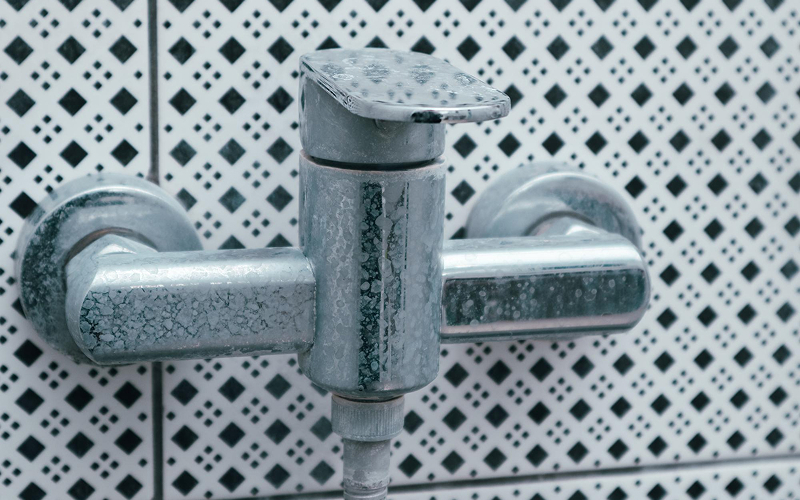
In the home, they often appear as white, chalky, or slightly yellowish residue. They may be found around tap openings, showerheads, sink areas, toilet fittings, water heaters, and other surfaces where water is used frequently. While the marks may seem like a cleaning issue at first, they can become harder and thicker when left untreated.
The concern is not only what appears on the surface. Similar mineral buildup can also occur inside pipes, valves, and fittings that homeowners cannot see. Over time, these hidden deposits may affect the efficiency of the plumbing system.
Where Are Lime Deposits Commonly Found?
Limescale tends to collect in areas where water is repeatedly exposed to air, heat, or evaporation. This is why homeowners often notice residue around bathroom and kitchen fixtures first.
Common areas include taps, sink mixers, showerheads, water heater outlets, bathroom screens, and the edges of basins or sinks. In the kitchen, residue may appear around the spout or base of the tap, especially if water droplets are left to dry after regular use.
Inside the plumbing system, mineral deposits may form along pipe walls or within fixtures that control water flow. These internal deposits are harder to detect, but they can gradually affect water pressure and fixture performance.
Over time, a kitchen or bathroom tap may become stiff, clogged, or inconsistent even after surface cleaning. In such cases, a professional may recommend sink tap or kitchen tap replacement where the internal parts are too restricted or worn to function properly.
How Lime Deposits Build Up Without Being Noticed
These mineral deposits may form slowly. This is why many homeowners do not take action until the buildup becomes more visible or disruptive. At the early stage, the signs may be limited to faint marks around tap openings or a slight layer of residue on shower fixtures.
As water may still flow normally at first, the issue is easy to dismiss. However, the same process can continue inside pipes and fittings. As water passes through the plumbing system, minerals can settle along internal surfaces, gradually narrowing the water passage.
This can continue for months or even years before more noticeable symptoms appear. By the time water pressure drops or taps become difficult to operate, the deposits may already be affecting more than the visible parts of the fixture.
How Lime Deposits Can Damage Your Plumbing System
Limescale can affect your plumbing system in several ways. The most obvious issue is reduced water flow. As mineral buildup collects inside pipes, tap aerators, showerheads, or valves, it can restrict the space available for water to pass through.
This may lead to lower water pressure, uneven flow, or irregular spray from taps and showers. In some cases, homeowners may assume the issue is caused by the main water supply when the problem is actually localised buildup within fixtures or pipe sections.
Mineral deposits can also create rough surfaces inside pipes and fittings. These uneven surfaces increase friction and may strain the plumbing system. Gradually, taps, valves, and seals may become harder to operate because mineral deposits interfere with smooth movement.
In more advanced cases, deposits may contribute to small leaks by affecting seals, joints, or fittings. While their buildup may not directly cause a pipe to burst, they can weaken connected components and increase the likelihood of plumbing issues developing over time.
Signs Your Plumbing May Be Affected
As limescale develops gradually, the symptoms may not be obvious at first. Still, there are several signs that homeowners can look out for.
You may notice reduced water pressure at taps or showerheads, especially if the flow weakens over time. Water may also come out unevenly, spray in different directions, or take longer to flow consistently.
Visible white or chalky residue around fixtures is another common sign. If the residue keeps returning soon after cleaning, it may suggest frequent mineral buildup in that area. Taps may also become harder to turn on or off smoothly, particularly if deposits have formed around internal mechanisms.
Other warning signs include water taking longer to heat, recurring minor leaks around joints or fittings, and showerheads becoming clogged more often than usual. These symptoms do not always point to mineral deposits alone, but they can indicate that mineral buildup is affecting your plumbing system.
Why Ignoring Limescale Can Lead to Bigger Problems
It can be tempting to treat limescale buildup as a cosmetic issue, especially when it’s only visible around taps or showerheads. However, ignoring the problem can allow it to spread or worsen over time.
When buildup affects water flow, the plumbing system may need to work harder to deliver the same level of performance. Fixtures may wear out faster, and small leaks may become more frequent. If deposits collect inside taps or valves, cleaning the outer surface may not solve the underlying issue.
There is also the inconvenience factor. Weak water pressure, stiff taps, and recurring residue can make daily tasks more frustrating. Washing, showering, cooking, and cleaning all depend on reliable water flow. When fixtures no longer work smoothly, homeowners may eventually need repairs or replacements that could have been addressed earlier.
How Homeowners Can Manage Visible Lime Deposits
For visible buildup on taps, showerheads, and sink areas, regular cleaning can help reduce residue and keep fixtures looking cleaner. Wiping down wet surfaces after use can also help slow the formation of chalky marks, especially around areas where water tends to dry naturally.
Showerheads and tap aerators may also need occasional cleaning if water flow becomes uneven. In some cases, removing and soaking small detachable parts can help clear surface-level buildup. It is important to avoid using overly harsh methods as they may damage finishes, seals, or coatings.
Surface cleaning can be useful for minor deposits, but it does not always solve internal restrictions. If water pressure remains weak after cleaning, or if a tap continues to feel stiff, the issue may involve deeper buildup or worn internal components.
When Replacement or Repair May Be Necessary
There are situations where cleaning alone may not be enough. If mineral buildup has affected internal tap mechanisms, valves, or fittings, replacement may be more practical than repeated temporary fixes. For example, sink tap replacement may be needed when bathroom or basin taps become stiff, corroded, or restricted by long-term buildup.
If lime deposits have contributed to leaks or weakened pipe sections, targeted repair may also be required. Addressing water leakage early can help prevent further deterioration and reduce the risk of moisture damage around cabinets, walls, or floors.
A professional plumber can assess whether the issue is limited to the fixture or whether connected pipework also needs attention. This helps homeowners avoid unnecessary replacements while ensuring the actual cause is addressed.
How Professional Plumbing Support Helps
A professional assessment can be helpful when symptoms continue despite regular cleaning. Plumbers can inspect affected fixtures, identify whether the issue is caused by mineral buildup, worn parts, leakage, or another plumbing concern, and recommend a suitable solution.
For homeowners, this can prevent guesswork. Instead of repeatedly cleaning the same tap or replacing small parts without improvement, professional support helps determine whether repair, cleaning, or full replacement is the better option.
As a trusted plumbing company in Singapore, QB Plumbing provides practical support to homeowners facing issues with fixtures, water flow, and pipe leaks. We offer both targeted repairs and routine maintenance services to prevent recurring mineral buildup, ensuring replacement work is properly installed and long-lasting.
Contact us to arrange an assessment.