Key Takeaways:
- A floor trap odour that keeps returning after cleaning may point to a deeper drainage issue.
- Common warning signs include sewage-like smells, slow drainage, gurgling sounds, water backup, or odours from multiple drains.
- Possible causes include pipe blockages, dry traps, poor ventilation, leaks, damaged pipes, or worn drainage components.
- Surface cleaning may only give temporary relief if the source of the smell sits deeper within the plumbing system.
Introduction
A bad smell from your bathroom, kitchen, or service yard can be frustrating, especially when regular cleaning does not seem to solve it. When the odour keeps returning from the same area, the issue is often not the floor surface itself but the floor trap. As the smell usually comes from a small drain opening, it is easy to assume that the issue is minor.
However, a persistent odour may sometimes indicate deeper plumbing issues. The problem may not be limited to surface dirt, but possibly involve trapped waste, slow drainage, dry traps, poor ventilation, or pipe-related issues within the drainage system.
Understanding what causes these odours and when they signal a bigger problem can help homeowners take the right steps before the situation worsens.
What a Smelly Floor Trap Is and How to Recognise It
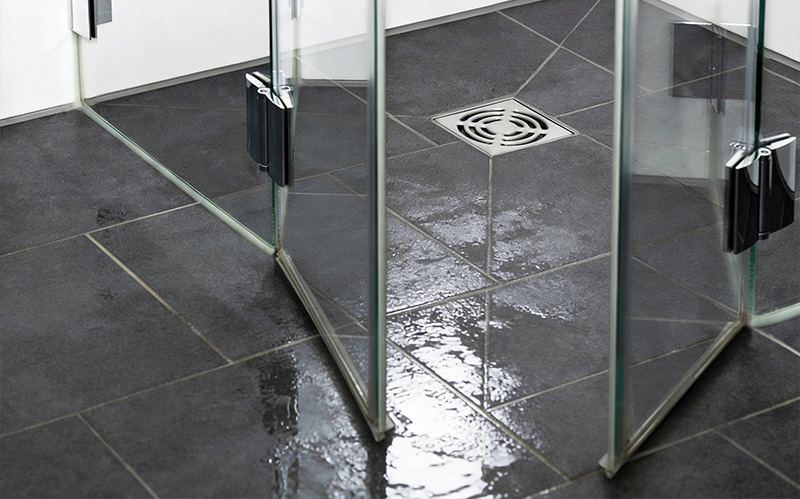
A floor trap is a drainage point commonly found in bathrooms, kitchens, and service yards. It collects wastewater from floor areas and fixtures while helping to prevent sewer gases from entering the home. Under normal conditions, a small amount of water remains in the trap, creating a seal that blocks unpleasant odours.
A smelly floor trap occurs when this water barrier is disrupted or when unwanted substances accumulate in the drainage system. You may notice a foul, musty, or sewage-like smell coming from the drain, especially at certain times of the day, after heavy rain, or when a bathroom has not been used for a while.
Common signs include a persistent unpleasant odour near the drain, a smell that worsens after rain or prolonged non-use, odour returning shortly after cleaning, or a smell spreading beyond the immediate bathroom or kitchen area. These indicators suggest that the issue may go beyond ordinary dirt or debris on the surface.
For homeowners, the key point is consistency. A one-off smell after cleaning chemicals, renovation dust, or temporary non-use may not always be serious. However, if the odour keeps returning despite washing the area, it is worth looking more closely at what may be happening inside the drain.
When a Smelly Floor Trap Points to a Deeper Issue
Not all floor trap odours are the same. Some smells come from mild residue near the drain cover and may improve with simple cleaning. Others are more persistent and may suggest that the drainage system is not functioning properly.
You may be dealing with a bigger issue if the smell persists despite regular cleaning, multiple drains in the home emit similar odours, or you notice slow drainage and gurgling sounds. A strong sewage-like smell should also be taken seriously, especially if it occurs alongside water backup, dampness, or minor flooding.
These symptoms suggest the problem may be linked to the drainage system rather than the floor trap itself. For example, a partial drain choke may allow water to pass through slowly while still trapping residue inside the pipe. As waste collects and breaks down, odours can travel back up through the floor trap.
In Singapore flats and private homes, drainage systems are used frequently because of daily showers, laundry, cooking, and cleaning. This regular usage means small issues can become noticeable quite quickly. If smells appear in more than one area, such as the bathroom and kitchen, it may indicate a broader drainage issue that requires proper assessment.
What are the Possible Causes of Smelly Floor Traps?
A foul smell from the floor trap can be caused by several underlying issues. Some are simple, while others require professional attention. The right diagnosis helps you avoid temporary fixes for a deeper plumbing issue.
1. Drain Blockages and Waste Buildup Within the System
One common cause is a blockage within the drainage pipes. Over time, substances such as grease, soap residue, hair, food particles, and debris can accumulate inside the pipes. This buildup can trap waste, creating an environment where odours develop and linger.
When the blockage is not fully cleared, smells may continue to rise through the floor trap even after the drain cover and surrounding tiles have been cleaned. This is why the floor may look clean, but the smell still returns. The source of the odour is not always visible because it may be sitting further down the pipe.
Partial blockages can also slow down water flow. When water does not move through the system efficiently, residue has more time to settle along the pipe walls. Over time, this can worsen the smell and increase the risk of a more serious choke.
In these cases, basic cleaning may only provide temporary relief. A more thorough approach, such as engaging professional drain cleaning in Singapore, can help remove buildup from within the drainage line and restore proper water flow.
2. Dry Traps and Ventilation Issues
Another possible cause is a dry floor trap. This may happen when a drain is not used regularly, such as in a guest bathroom, service yard, or spare toilet. If the water seal inside the trap evaporates, sewer gases can travel back up through the pipes and enter the home.
This is often why an odour appears in bathrooms that have been unused for some time. Pouring water into the floor trap may help restore the water seal in simple cases. However, if the smell returns quickly, another issue may be affecting the trap or the drainage system.
Poor ventilation within the plumbing system can also contribute to unpleasant smells. Plumbing systems require proper airflow so wastewater and gases can flow freely. If air pressure is not balanced, gases may escape through floor traps even when the drains are used regularly.
Ventilation issues are less visible than blockages, but they can be just as frustrating. As the problem is not always obvious on the surface, a thorough inspection may be needed to determine whether the smell is caused by a dry trap, trapped waste, ventilation issues, or a combination of factors.
3. Leaks, Damaged Pipes, or Worn Drainage Components
In some cases, odours may be linked to leaks or weakened sections of pipe. Damaged pipes can allow wastewater residue to accumulate in areas where it shouldn’t, creating unpleasant odours over time. Small leaks may also lead to dampness, which encourages mould, mildew, and musty odours.
Worn drainage components can also affect how well the system contains smells. If seals, joints, or pipe sections are no longer functioning properly, odours may escape more easily. This is especially important in older homes or units where plumbing systems have been in use for years.
Homeowners should pay attention if the smell appears together with damp patches, recurring wet areas, stained surfaces, or unexplained moisture. These signs may suggest that the issue is not only about cleaning the drain, but also about repairing an affected part of the plumbing system.
Why Repeated Cleaning May Not Solve the Problem
Many homeowners first respond to drain smells by scrubbing the floor, washing the drain cover, or pouring cleaning products into the trap. This can help if the odour is caused by surface grime or mild residue. However, if the smell returns shortly after cleaning, the root cause has likely not been addressed.
The problem may lie deeper in the pipe, beyond the reach of ordinary cleaning. Grease, soap scum, hair, and waste buildup may cling to the inside of the drainage line. In other cases, the issue may involve airflow, a dry trap, or pipe wear.
Repeated use of harsh chemicals may also create other concerns. Some chemical cleaners can be too aggressive for certain plumbing components, especially when used frequently. They may also fail to clear the full blockage, leaving the homeowner with the same smell after a short period.
Instead of repeatedly masking the odour, it is better to identify the cause of the smell. This allows the right solution to be applied, whether that involves clearing a blockage, restoring the trap seal, improving drainage flow, or repairing damaged pipe sections.
How to Resolve Floor Trap Odours Effectively
While simple cleaning can help with minor odours, recurring smells often require a more thorough approach. The first step is to observe when the smell happens. Does it appear after rain, after long periods of non-use, after showering, or when water drains slowly? These details can help narrow down the likely cause.
For mild cases, homeowners can try flushing the floor trap with water to restore the water seal, removing visible debris from the drain cover, and keeping the area clean and dry. However, if the smell persists, professional plumbing support is usually the safer and more effective option.
A qualified plumber can assess whether the issue is due to blockages, ventilation concerns, pipe wear, or another drainage problem. As a dependable plumbing company in Singapore, QB Plumbing can identify whether a smelly floor trap is a simple maintenance issue or a sign of a deeper plumbing concern. From clearing blockages to repairing underlying pipe concerns, our team is committed to restoring a cleaner, fresher, and more comfortable living environment.
Contact us before a floor trap odour becomes a bigger plumbing problem.