Key Takeaways:
- A slow-draining toilet may still flush, but delayed flushing, weak flushing, rising water levels, gurgling sounds, or repeated flushing can indicate restricted water flow.
- The issue may not be limited to the toilet bowl, especially if nearby drains are also slow or making unusual sounds.
- A partial blockage is one of the most common causes, often caused by tissue, wet wipes, sanitary products, cotton pads, or foreign objects building up in the drain line.
- Ventilation or flow imbalance can also affect drainage, especially when pressure or airflow in the plumbing system is disrupted.
- If the problem recurs after basic attempts, professional assessment and drain cleaning can help identify and resolve the underlying cause before it worsens.
Introduction
It is easy to dismiss a slow-draining toilet when the flush still works. However, if water drains more slowly than usual, the flow may be restricted somewhere in the system. What starts as a minor delay can gradually worsen as more debris, waste, or residue builds up in the pipes.
If the issue is left unaddressed, slow drainage can eventually develop into a more disruptive plumbing problem. This may result in the toilet requiring repeated flushing, produce unpleasant odours, or cause the water level in the bowl to rise higher than usual.
Understanding the common causes and knowing when to seek professional help can keep your toilet flushing system working reliably.
How to Tell If Your Toilet Is Draining Too Slowly
Toilet drainage issues do not always present themselves in obvious ways. In many cases, the signs appear gradually and become worse over time. As the toilet may still flush, users may assume the problem is minor, but small changes in flushing performance can point to restricted water flow.
You may notice water taking longer than usual to clear after flushing. The toilet may also produce a weak or incomplete flush, where waste does not clear properly on the first attempt. In some cases, the water level rises higher than normal before slowly draining away.
Other warning signs include occasional gurgling sounds from the bowl or nearby drains, unpleasant smells, or the need to flush more than once. These symptoms suggest that water flow through the drainage system is being restricted. If the problem keeps returning, it should not be treated as a one-off inconvenience.
A slow-draining toilet can also indicate that the problem is not limited to the toilet bowl. The restriction may be located further along the pipework, especially if other nearby fixtures are also draining slowly. Paying attention to these early signs can help prevent a full choke or more serious plumbing disruption.
What are the Possible Causes of a Slow-Draining Toilet?
There are several reasons why a toilet may drain slowly. Some causes are simple, while others require a more detailed inspection. The most important thing is to avoid repeated flushing when the water level is already rising, as this can increase the risk of overflow.
1. Partial Blockage in the Drain Line
One common cause of slow toilet drainage is a partial blockage in the pipes. This can happen when materials such as tissue, wet wipes, sanitary products, cotton pads, or foreign objects accumulate and restrict the flow of water.
Unlike a complete choke, a partial blockage still allows water to pass through, but at a slower rate. This is why the issue may seem manageable at first. The toilet may clear eventually, but the delay suggests that the drainage path is narrowed.
Over time, more debris may accumulate at the same point, worsening the restriction. In some cases, the blockage may be located further along the drainage system, making it harder to resolve with basic methods. This is more likely if the toilet drains slowly even after plunging or if the issue recurs.
If left unattended, a partial blockage can eventually develop into a full obstruction. At that point, water may back up into the toilet bowl or overflow onto the bathroom floor. This can create hygiene concerns and inconvenience, particularly in shared or commercial washrooms.
2. Ventilation or Flow Imbalance in the Plumbing System
Another possible cause is an issue with the plumbing system’s ventilation or overall flow balance. Toilets rely on proper airflow through the pipes to allow water to flow smoothly. If there is a problem with venting or pressure regulation, drainage can become slower or inconsistent.
This type of issue may also affect other fixtures in the property. For example, you might notice gurgling sounds from nearby drains, bubbling in the toilet bowl, or fluctuating water levels. These signs may suggest that the issue extends beyond the toilet and involves the wider plumbing system.
As these issues are less visible, they often require a more detailed assessment. A trained plumber can check whether the problem is caused by a blockage, poor flow, pipe condition, or another underlying issue within the drainage system. Professional drain cleaning services in Singapore can help remove build-up more thoroughly than repeated flushing or temporary DIY attempts.
How the Issue Can Be Properly Resolved
If your toilet is draining slowly, you can take a few careful steps before arranging professional help. However, it is important to avoid harsh chemical drain cleaners, especially if you are unsure what is causing the issue. These products may not reach the blockage properly and can sometimes affect pipework or create safety risks if handled incorrectly.
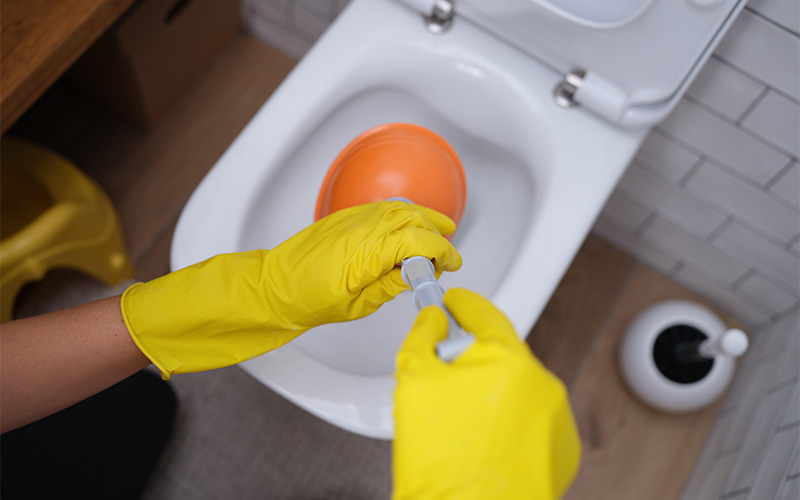
First, stop flushing repeatedly if the water level is rising. Wait for the water to settle before attempting any repairs. A safe, initial DIY attempt is to use a flange plunger to clear the drain line; however, if a few attempts do not resolve the issue, stop immediately to prevent water damage. You can then check whether nearby drains, such as the basin, floor trap, or shower, are also draining slowly. This may point to a wider drainage issue rather than a problem with the toilet alone.
If the problem improves temporarily but recurs, this suggests the blockage or underlying issue has not been fully resolved. At this stage, professional assessment is usually the safer option.
When to Call a Plumbing Company in Singapore
A slow-draining toilet is often a sign that something within your plumbing system needs attention. While it may not seem urgent at first, ignoring the issue can lead to more significant problems over time, including full blockages, overflow, water backup, or recurring toilet faults.
The cause may be a partial blockage, a weak flushing system, pipe build-up, or a wider drainage imbalance. By responding early, you can reduce the risk of disruption and keep your bathroom cleaner, more reliable, and more convenient to use.
As a reliable plumbing company in Singapore, QB Plumbing offers practical support to identify the cause of slow toilet drainage and resolve it at the source. Instead of addressing only the visible symptom, our team assesses the toilet flushing system, the drain line, and related plumbing components to determine what is restricting normal flow. With the right technical know-how and repair approach, we help prevent future plumbing disruptions in your home.
Noticing recurring slow-draining toilet issues? Contact us to arrange a professional inspection.