Key Takeaways:
- DIY drain cleaning may work for minor, early-stage issues such as visible hair, light debris, soap residue, or slow-flowing water.
- Knowing how to use drain cleaner properly means following the product instructions, using the right amount, keeping the area ventilated, and never mixing it with other chemicals.
- DIY methods are not suitable for fully blocked drains, recurring clogs, hardened buildup, or deeper plumbing issues.
- If the drain remains slow, smells bad, or blocks again after cleaning, it is safer to seek professional plumbing help.
Introduction
A slow or clogged drain is one of those household problems that can quickly disrupt daily routines. Water pooling in the bathroom, a kitchen sink that takes too long to empty, or an unpleasant smell from the floor trap can make many homeowners reach for the quickest fix available.
DIY drain cleaning often feels like a simple and cost-effective solution. In some cases, it can help with minor surface-level issues. However, not every blockage can be solved with hot water, a plunger, or store-bought products. Some methods may only provide temporary relief, while others can damage your plumbing system if used incorrectly.
Knowing what works, what does not, and how to use drain cleaner safely can help homeowners decide when a DIY fix is enough.
Why Homeowners Usually Try DIY Drain Cleaning
Most homeowners try DIY drain cleaning when the problem still seems manageable. This usually happens when water starts draining slower than usual, but the pipe has not completely blocked. It may also occur when there is visible debris, a light odour, or a minor buildup around a sink, shower drain, or floor trap.
Common situations include hair collecting near bathroom drains, food scraps building up in kitchen sinks, or soap residue slowing down water flow. These issues can appear simple, which makes DIY cleaning feel like a reasonable first step.
In Singapore homes, drainage issues may also happen more often in high-use areas such as bathrooms, kitchens, and service yards. With daily cooking, showering, washing, and cleaning, small amounts of grease, hair, soap scum, and debris can gradually accumulate inside the pipes.
When DIY Drain Cleaning Can Work
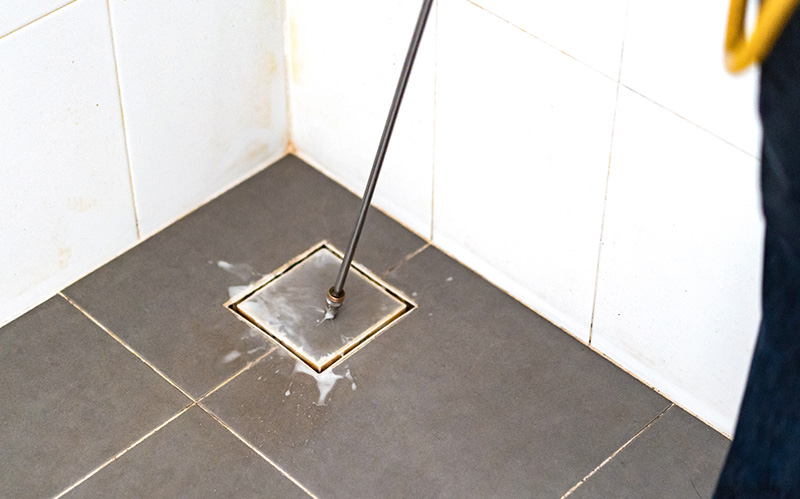
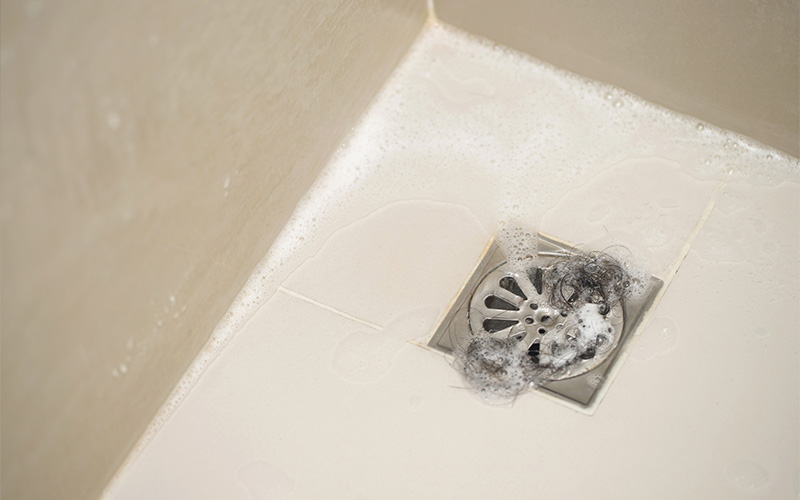
DIY drain cleaning can be useful when the blockage is minor, shallow, and easy to access. For example, if hair or visible debris is caught near the drain cover, removing it carefully may restore normal water flow. Regularly cleaning the floor trap can also help prevent loose dirt and residue from accumulating over time.
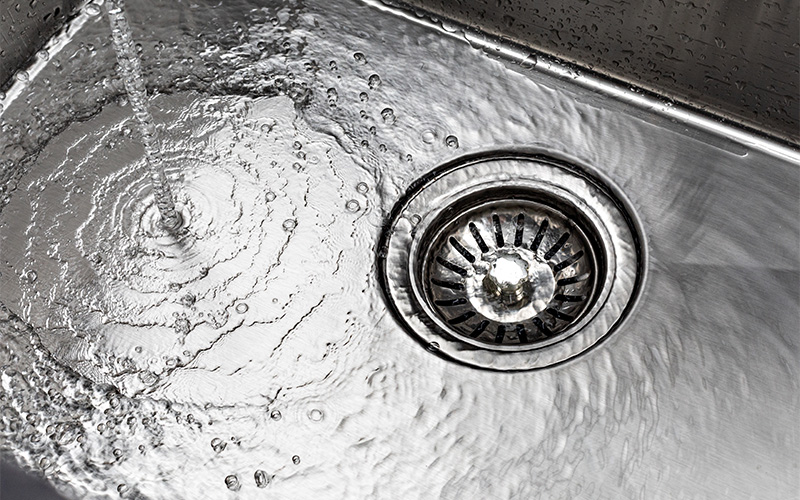
Flushing the drain with hot water may help loosen light grease or soap buildup, especially in kitchen sinks. However, this should be done carefully, as extremely hot water may not be suitable for all pipe materials or fittings. The aim is to loosen soft buildup, not force pressure through the system.
Gentle cleaning solutions may also help in mild cases. These are typically more suitable when the water is still flowing, but slowly. If the drain is already fully blocked, simple DIY methods are less likely to solve the problem properly.
The key point is that DIY methods work best for early-stage drainage issues. They are not designed to remove deep obstructions, hardened buildup, damaged pipe sections, or recurring blockages caused by a larger plumbing issue.
How to Use Drain Cleaner Safely
Many homeowners search for how to use a drain cleaner when they want a fast solution. If you choose to use a drain cleaner, it is important to read and follow the product instructions carefully. Different products have different chemical strengths, waiting times, and safety precautions.
Avoid mixing different drain cleaners or combining them with other household chemicals. This can create dangerous reactions and harmful fumes. You should also avoid using excessive amounts, as more product does not always mean better results.
Drain cleaners should generally be used only when the issue is minor and when water can still flow through the drain. If the drain is fully blocked, the chemical may sit in the pipe without reaching the blockage properly. This can make the drain more hazardous to handle if professional help is needed later.
It is also important to wear protective gloves, keep the area well ventilated, and prevent children or pets from coming into contact with the treated drain. If you are unsure whether a drain cleaner is suitable for your plumbing system, it is safer to avoid using it and seek professional advice.
When DIY Methods May Do More Harm Than Good
There are times when DIY drain cleaning is not advisable. If water does not flow at all, forcing the drain open with tools or chemicals may create further problems. The blockage may be too deep, too solid, or located in a section of pipe that cannot be accessed safely without proper equipment.
Harsh chemical drain cleaners can also degrade your pipes over time. While they may seem effective at first, repeated use may weaken certain pipe materials, especially in older plumbing systems. This can increase the risk of leaks, corrosion, or pipe failure.
Using tools incorrectly can create other problems. For example, pushing a wire, rod, or unsuitable object into the drain may scratch the pipe, damage joints, or push the blockage further down. Instead of clearing the obstruction, this can make it harder and more expensive to remove later.
Even methods that seem harmless can be a problem when used too often. Frequent flushing, excessive use of cleaning products, or repeated plunging without understanding the cause may place unnecessary stress on the drainage system.
Common Signs You Should Stop DIY Cleaning
Homeowners should stop attempting DIY drain cleaning if the issue becomes more serious or keeps coming back. A one-time slow drain may be manageable, but a recurring drainage problem needs closer attention.
If water is backing up into the sink, shower area, or floor trap, it is better to stop and call a professional drain-cleaning service in Singapore. Backflow can indicate that the blockage is preventing water from moving through the system properly.
You should also avoid further DIY attempts if there are strong smells, unusual sounds, or signs of leakage near the affected area. These symptoms may suggest that the issue is not just surface buildup. It could involve deeper pipe obstruction, poor pipe condition, or hidden damage.
Getting Professional Help for Lasting Solutions
For a serious drain choke or recurring drainage issue, getting professional help early is often the safer and more effective option. This matters because drainage issues can be caused by grease buildup, hair accumulation, foreign objects, misaligned pipes, damaged sections, or poor flow within the system.
A plumbing expert can assess the condition of the drain and choose the right method based on the cause. This may involve proper clearing tools, inspection techniques, or targeted repair where needed. Instead of repeatedly treating the same symptom, professional support helps reduce the chances of the blockage returning.
As a reliable plumbing company in Singapore, QB Plumbing assesses drainage issues based on the actual condition of the plumbing system before recommending the right solution. This is especially important for homeowners who may be unsure how to use drain cleaner safely or whether it is suitable for their blockage.
If your drain problem keeps recurring or is difficult to manage, contact us for assistance.