


Understanding the Difference Between Plumbing and Drainage
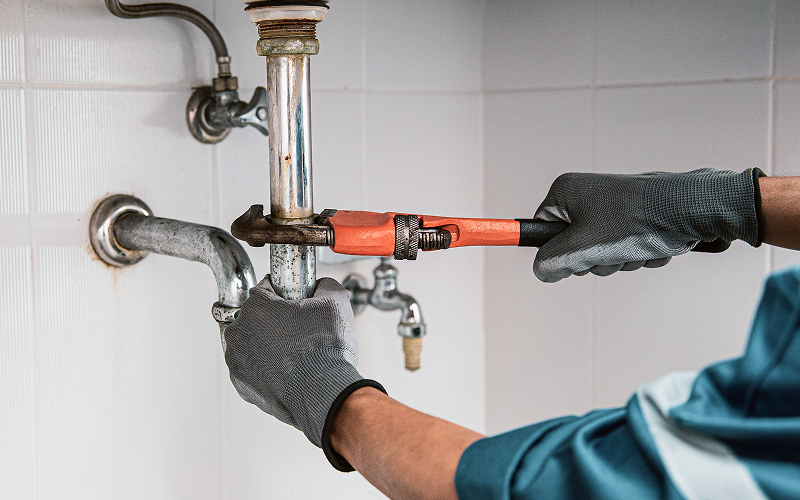
Plumbing and drainage are often mentioned together, but they do not do the same job. Both systems are part of daily home routines, from turning on a tap to flushing the toilet, but the problems they cause can be very different. Knowing the difference between plumbing and drainage can help homeowners understand what may be happening when something goes wrong. Understanding this distinction can help you describe the problem more clearly and decide when professional help is needed.
PVC Pipe Repair: When to Patch, Seal, or Replace a Damaged Pipe
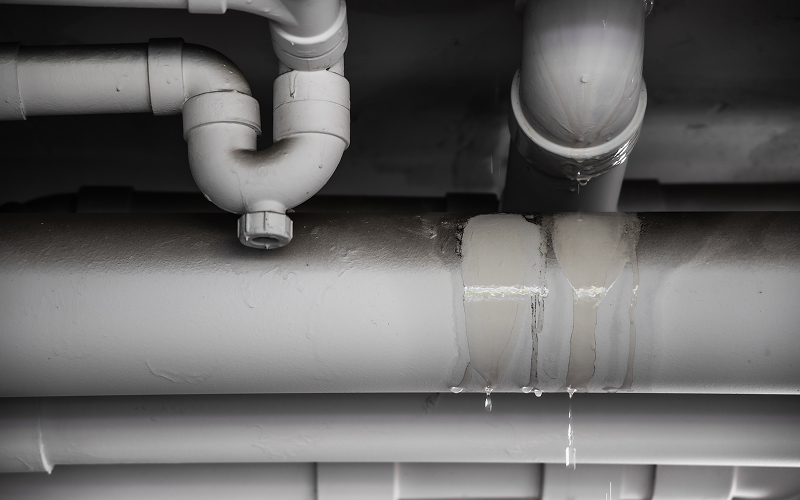
Polyvinyl Chloride (PVC) pipe leaks can start small, but they should not be ignored. A minor drip from a pipe joint, crack, or drainage connection may point to poor bonding, ageing materials, pressure issues, or damaged fittings. Knowing when to patch, seal, or replace a damaged pipe can help prevent unnecessary disruption. While quick fixes such as repair tape, epoxy putty, or fibreglass wrap may control minor leaks temporarily, more serious damage often requires professional PVC pipe repairs.
When Rust-Coloured Water Signals a Plumbing Issue
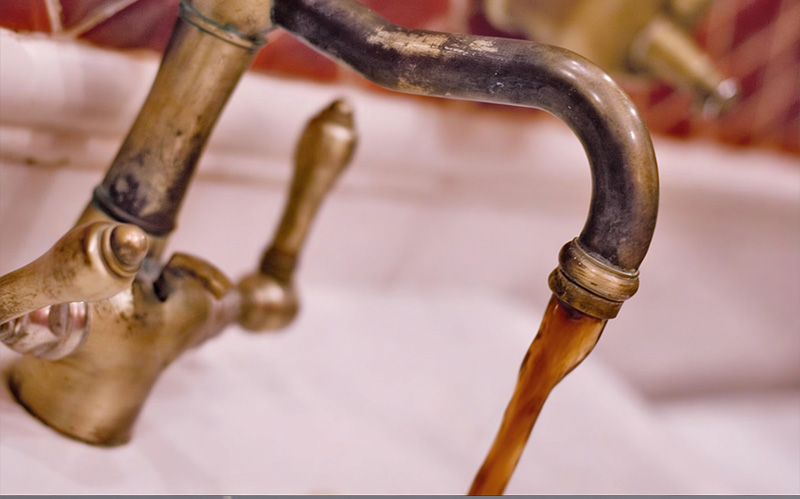
Seeing brown, reddish, or yellow-tinted water flow from your tap can be worrying, especially when it appears suddenly. Rust-coloured water may show up after a tap has not been used for some time, after water supply works nearby, or when there are changes within the home’s plumbing system. Understanding what the causes are can help homeowners decide when to monitor the situation and when to seek professional assistance from a plumbing company in Singapore.
Why Your Balcony Drain Keeps Getting Blocked
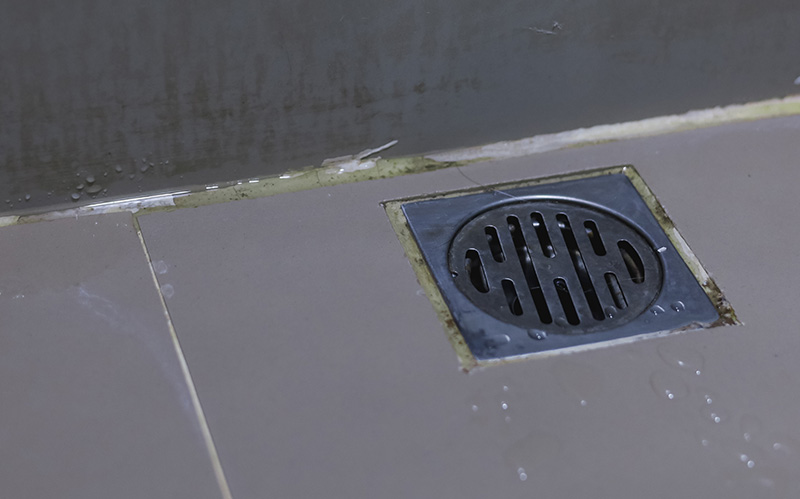
A balcony drain blocked during heavy rain can quickly become more than a minor household inconvenience. In Singapore, sudden downpours are common, and balcony drainage systems need to move rainwater away efficiently. When water cannot drain properly, it may pool on the balcony surface, increasing the risk of seepage into the home. Understanding why your balcony drain keeps getting blocked can help you respond earlier and know when professional support may be needed.
What Plumbing Is Needed to Install a Dishwasher in Singapore
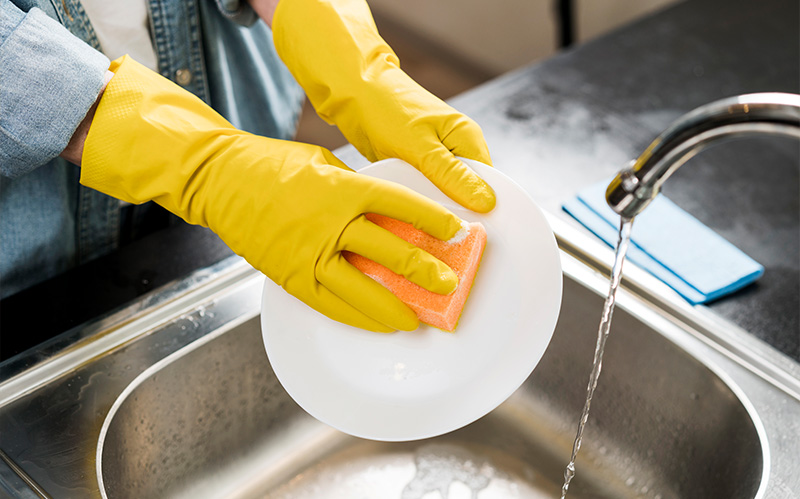
Dishwashers are becoming more common in Singapore homes. However, unlike other common kitchen appliances, dishwashers are not always part of the original kitchen setup in HDB flats or condominiums. Many homeowners may wonder what plumbing they need for a dishwasher and whether their current kitchen setup can support it. Knowing the basic water supply, drainage, and space requirements early can help you plan the right placement.
Common Causes of Washing Machine Drain Overflow in Singapore
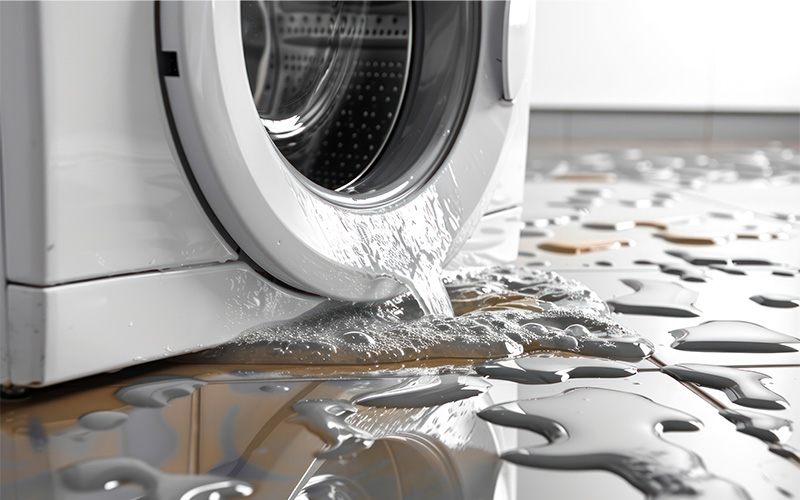
Washing machines are a daily essential in many Singapore homes. However, when the drain starts to overflow, a simple laundry cycle can quickly turn into a wet floor, an unpleasant smell, and an unexpected cleanup. A washing machine drain overflow may seem like a small one-off issue at first. However, when overflow occurs repeatedly, it often indicates a deeper issue in the drainage system. Understanding the possible causes can help you respond early before the problem becomes more disruptive or costly to fix.
Signs You Might Have an Airlock in Your Plumbing System
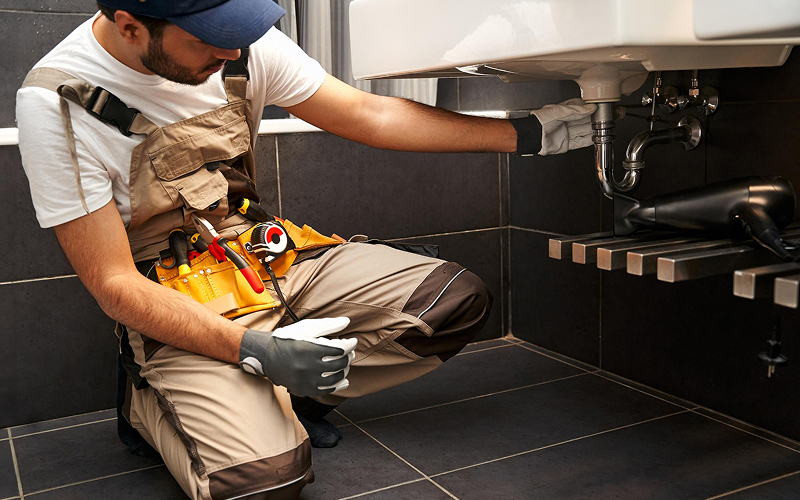
An unexpected loss of water flow from a tap or shower can be confusing, especially when other parts of your home seem to be working normally. One bathroom tap may run as usual, while another suddenly produces little to no water. In some cases, this may be caused by an airlock in the pipe. This article explains what an airlock is, what causes it, how to recognise the symptoms, and when to call a professional.
DIY Drain Cleaning: What Works and What Doesn’t
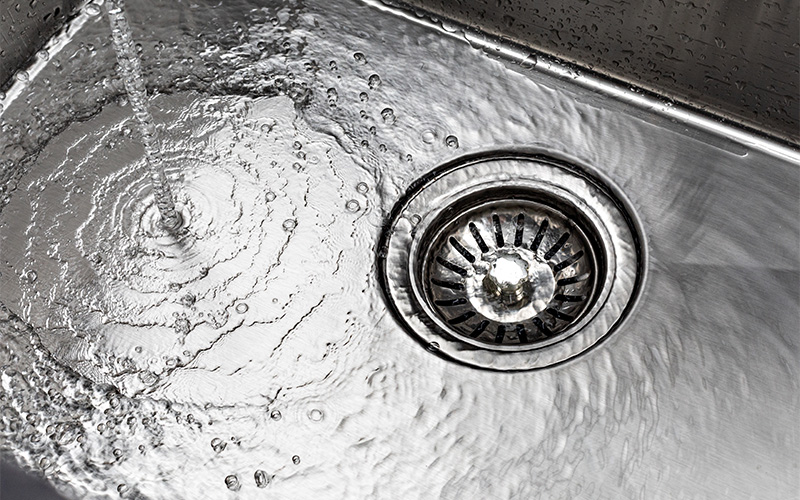
A slow or clogged drain is one of those household problems that can quickly disrupt daily routines. Water pooling in the bathroom, a kitchen sink that takes too long to empty, or an unpleasant smell from the floor trap can make many homeowners reach for the quickest fix available. DIY drain cleaning often feels like a simple and cost-effective solution. Knowing what works, what does not, and how to use drain cleaner safely can help homeowners decide when a DIY fix is enough.
Instant Heater vs Storage Heater: Which Is Better for Singapore Homes?
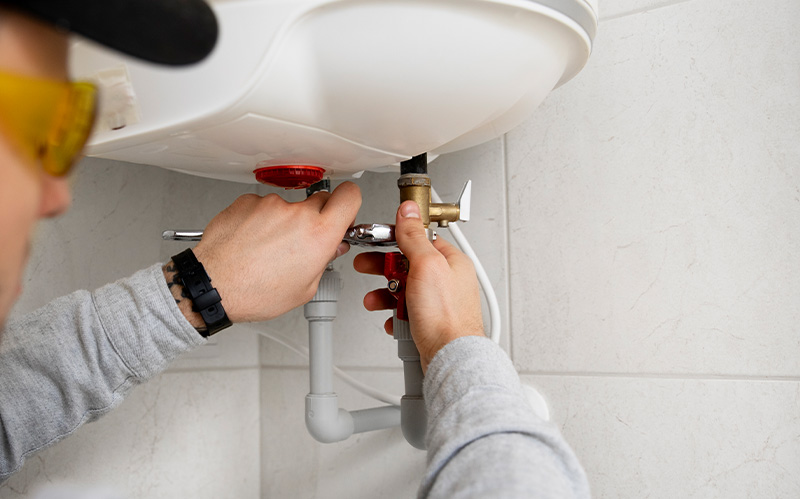
Choosing the right water heater is an important decision for any home in Singapore. The two most common options are instant heaters and storage heaters. Both provide hot water, but they work differently and suit different household needs. When comparing instant heater vs storage heater options, it helps to look beyond price alone and consider your available space, water usage habits, number of bathrooms and installation requirements.
Essential Plumbing Checks Before Leaving Home for a Trip
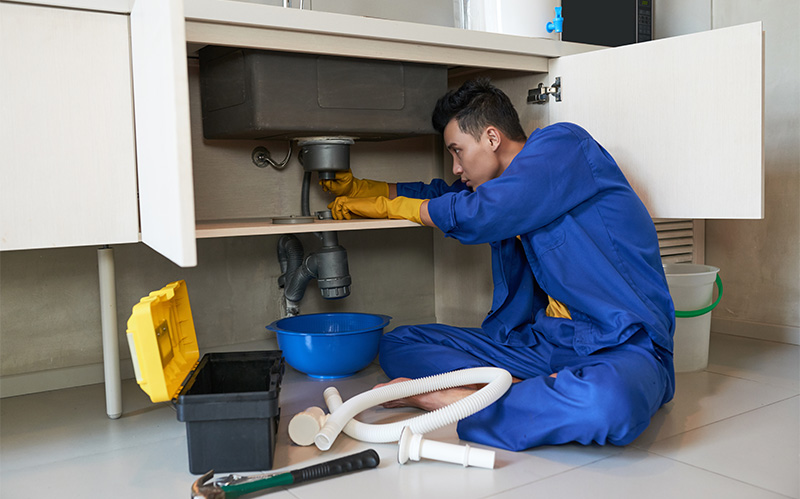
Preparing for a trip often means checking passports, booking transport, packing luggage, and making final arrangements before you leave. However, one area many homeowners overlook is the plumbing system. A small leak, loose hose, or faulty fitting may seem minor when someone is at home to notice it early. Taking a few simple plumbing precautions before a trip can help protect your home and give you greater peace of mind while travelling.