Key Takeaways:
- Temporary PVC pipe repair methods such as tape, epoxy putty, and fibreglass wrap may help control minor leaks, but they are not always long-term solutions.
- Permanent repair usually requires cutting out the damaged section and replacing it with new pipe fittings and proper solvent cement.
- Proper cleaning, drying, and preparation of the pipe surface are essential for a stronger seal and to reduce the risk of repeated leaks.
Introduction
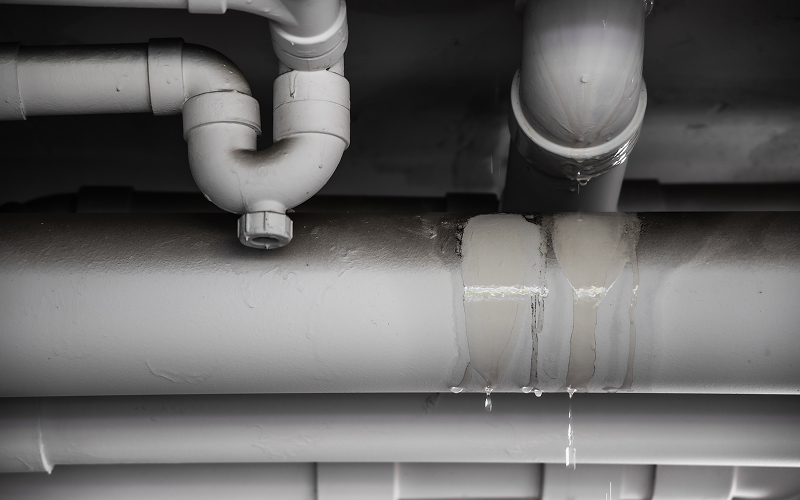
Polyvinyl Chloride (PVC) pipe leaks can start small, but they should not be ignored. A minor drip from a pipe joint, crack, or drainage connection may point to poor bonding, ageing materials, pressure issues, or damaged fittings. If left unresolved, a small leak can lead to water damage, damp surfaces, mould growth, or repeated plumbing issues.
Knowing when to patch, seal, or replace a damaged pipe can help prevent unnecessary disruption. While quick fixes such as repair tape, epoxy putty, or fibreglass wrap may control minor leaks temporarily, more serious damage often requires professional PVC pipe repairs.
What Are PVC Pipes?
PVC pipes, or polyvinyl chloride pipes, are lightweight plastic pipes commonly used in plumbing and drainage systems. They are valued because they are durable, corrosion-resistant, and less prone to chemical damage compared with some metal pipe materials.
PVC pipes are often used for drainage, waste discharge, and certain water systems, depending on the building design and application. They are also relatively easy to install, which makes them common in both residential and commercial plumbing setups.
PVC pipes are usually joined with fittings and solvent cement. Unlike a simple adhesive, solvent cement chemically bonds the pipe and fitting, creating a strong, watertight connection when applied correctly. This bond is important because a weak joint can become one of the first areas where leaks appear.
Why PVC Pipes May Start Leaking
PVC pipe leaks can happen for several reasons. One common cause is poor installation, especially when fittings are not properly aligned, fully pushed in, or bonded with the correct cement. If the wrong adhesive is used, or if the surface is not cleaned before joining, the connection may weaken over time.
Leaks may also happen due to ageing, wear, physical impact, ground movement, or pressure changes within the pipe. For example, a pipe may crack after being knocked during renovation work, or a fitting may loosen when nearby pipes shift under repeated use.
Early signs of a leak may include visible dripping, damp cabinet bases, water stains, musty odours, slow drainage, or recurring wet patches near pipe routes. When these signs appear, timely PVC pipe repair can help prevent the issue from worsening.
How to Fix?
The right repair method depends on the location, severity, and cause of the leak. A small surface crack is very different from a failed pipe joint or a broken drainage connection. Before starting any pipe repair, it is important to understand whether the issue can be temporarily controlled or whether the damaged section should be replaced.
Before repairing a PVC pipe, the damage should be assessed carefully. A small surface crack, minor joint leak, or low-pressure seepage may sometimes be managed with a temporary sealing method. However, larger cracks, broken fittings, repeated leaks, or damage along a drainage line usually require a more permanent repair.
The key question is whether the pipe is still structurally sound. If the damage is isolated and the rest of the pipe looks stable, repair may be possible. If the pipe shows more extensive deterioration or repeated failures, replacing the affected section is usually the better option.
It is also important to consider where the pipe is located. A visible pipe under a sink is easier to monitor after a temporary fix. A concealed pipe inside a wall, ceiling, or cabinet may require a more reliable repair because a failed patch could cause hidden water damage.
Temporary PVC Pipe Repair Methods
For minor leaks, temporary repair methods may help reduce or stop water seepage temporarily. These methods are useful when immediate replacement is not possible, but they should not always be treated as a lasting solution. However, if the leak persists, worsens, or returns after sealing, a professional plumbing repair may be needed.
1. Repair Tape
Rubber or silicone repair tape can be wrapped tightly around a small leak to create a compression seal. The pipe surface should be cleaned and dried before wrapping. This method may help with small, low-pressure leaks, but it is usually not suitable for severe cracks or long-term repair.
Repair tape works best when the pipe surface is accessible and the leak is minor. If water is spraying, the pipe is under heavy pressure, or the crack extends around the pipe, tape is unlikely to provide a dependable fix.
2. Epoxy Putty
Epoxy putty can be applied over a small crack or joint leak after the area has been cleaned and dried. Once cured, it forms a hardened seal over the damaged section. This may last longer than tape, but it still depends on the leak location, water pressure, and pipe condition.
Epoxy putty may be useful for controlling a minor leak temporarily, but it does not always address the cause of the problem. If the joint beneath the putty is poorly bonded or the pipe is deteriorating, the leak may return.
3. Fibreglass Wrap
Fibreglass resin wrap can provide a stronger seal than basic tape. It is usually wrapped around the damaged area and left to harden. This may be useful for certain external pipe fixes, but it still requires proper surface preparation and may not solve deeper joint or structural issues.
While fibreglass wrap may help reinforce a small damaged area, it should not be used as a substitute for replacement when the pipe section is cracked through, misaligned, or badly weakened.
Permanent PVC Pipe Repair Usually Requires Cutting
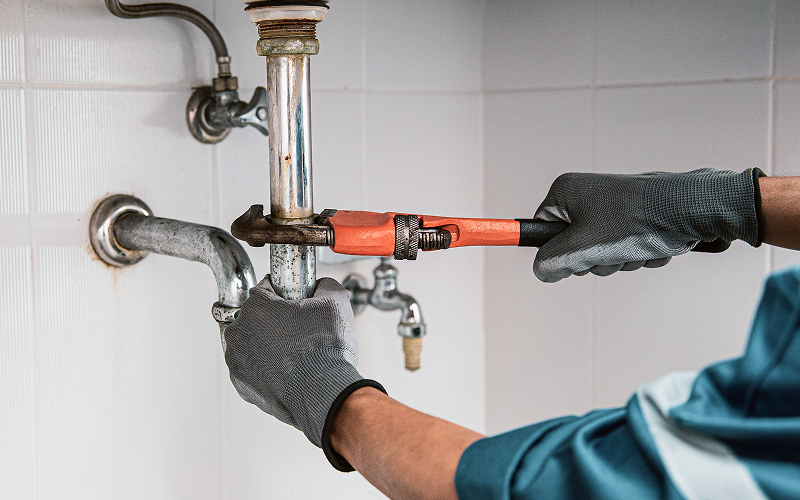
For a more reliable repair, especially for drainage pipes or badly damaged sections, plumbers often cut out the affected section of the PVC pipe and replace it with a new section and couplings.
This is because PVC joints are usually permanently bonded with solvent cement. Once a joint has been glued, it cannot normally be separated cleanly. If a joint or section fails, the damaged area often has to be cut away before new fittings can be installed.
A permanent repair usually involves measuring the damaged area, cutting out the affected section, preparing the pipe ends, fitting a replacement section, and bonding it with compatible PVC primer and cement. Proper alignment is important because PVC cement sets quickly, and a poorly positioned fitting may create stress on the joint.
Why Cleaning and Drying the Pipe Matters
Proper surface preparation is one of the most important parts of the repair process. Dirt, grease, moisture, and old residue can prevent repair materials from bonding properly.
Before applying tape, epoxy, fibreglass wrap, primer, or cement, the pipe should be cleaned thoroughly and dried. For replacement repairs, the cut pipe ends should also be smoothed and prepared so the new fittings can sit securely.
Skipping this step can lead to weak bonding, poor sealing, and repeated leaks after the repair. Even a good repair product may fail if the surface is wet, dusty, oily, or uneven.
PVC Pipe Repair or Replace: How to Decide
A PVC pipe may be suitable for repair if the damage is small, localised, and not under heavy pressure. Temporary repair methods are also acceptable if the goal is to control the leak until a plumber can attend to it.
Replacement is usually more suitable when:
- The pipe is cracked through
- The joint has failed badly
- The leak keeps recurring
- The pipe is hidden or hard to reach
- The damaged pipe is part of a damaged drainage system
The decision should also consider cost and risk. A patch may be cheaper at first, but repeated leaks can lead to more repairs, damaged cabinets, stained ceilings, or mould problems. In many cases, replacing the faulty section is more practical than repeatedly sealing the same leak.
What are Some Common Mistakes to Avoid?
PVC repairs may look simple, but small errors can affect whether the pipe remains watertight. These are some common mistakes to avoid:
1. Using the Wrong Glue or Sealant
Not every glue or sealant is suitable for PVC pipes. PVC repairs usually require compatible PVC primer and solvent cement, especially when connecting replacement pipes or fittings. Using general-purpose adhesive, unsuitable sealant, or the wrong cement may create a weak bond that fails under water flow or pressure.
2. Not Cleaning and Drying the Pipe First
Repair materials need a clean and dry surface to bond properly. If the pipe has dirt, grease, moisture, old residue, or mineral build-up, tape, epoxy, cement, or other repair products may not seal well. This can cause the repair to loosen or leak again soon after.
3. Applying Too Much or Too Little Solvent Cement
Solvent cement must be applied in the right amount. Too little may not create a complete seal, while too much can create messy joints or weaken the connection. A proper, even application helps the pipe and fitting bond securely.
4. Poor Alignment of Pipe Fittings
When replacing a damaged PVC section, the pipe and fittings must be aligned correctly before the cement sets. If the parts are not positioned properly, the joint may be under stress. This can lead to gaps, weak sealing, or future cracks.
5. Rushing the Drying or Curing Time
Testing the pipe too soon after applying solvent cement can weaken the bond before it has fully set. The repair should be given enough time to dry and cure according to the product instructions before water flow is restored.
When to Call a Professional Plumber
A professional plumber should be called if the leak is recurring, difficult to access, connected to a main water or drainage line, or located inside a wall, ceiling, cabinet, or concealed area. Expert help is also recommended if you are unsure whether the pipe can be patched or needs to be replaced.
If you are looking for a reliable plumber in Singapore, QB Plumbing provides water pipe leak repair services for homes, offices, and commercial properties. Our PUB-licensed team can inspect the leak, identify the cause, and recommend the right fix.
Contact us for a suitable repair solution before the damage worsens.