Key Takeaways:
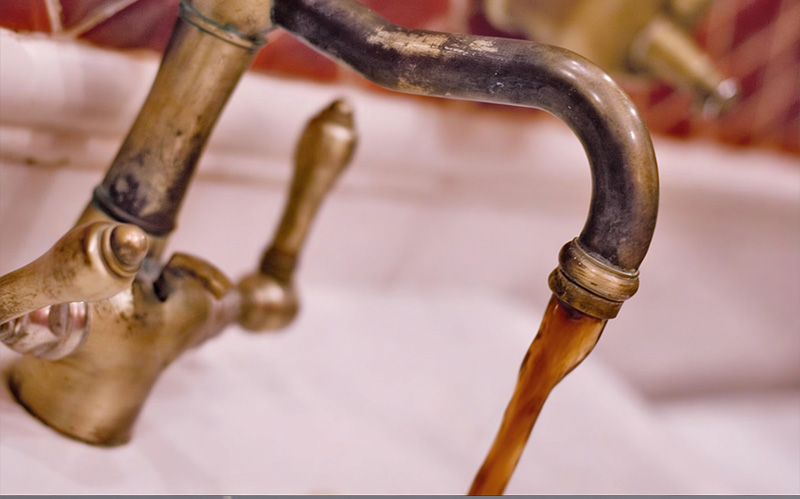
- Rusty water may appear brown, reddish, orange, or yellow, especially when a tap is first turned on after several hours of non-use.
- If the discolouration clears quickly and does not return, it may be caused by temporary sediment, public water main works, or water sitting in unused pipes.
- Recurring discoloured water, staining, metallic smells, or changes across multiple taps may suggest a deeper plumbing issue that should be monitored closely.
- If discolouration affects multiple water points or takes a long time to clear, it is safer to arrange an inspection before the issue worsens.
Introduction
Seeing brown, reddish, or yellow-tinted water flow from your tap can be worrying, especially when it appears suddenly. Rust-coloured water may show up after a tap has not been used for some time, after water supply works nearby, or when there are changes within the home’s plumbing system.
In some cases, the discolouration clears quickly and may not point to a serious issue. However, if the problem keeps returning, affects several taps, or comes with other plumbing symptoms, it may be a sign that something deeper needs attention.
Understanding what the causes are can help homeowners decide when to monitor the situation and when to seek professional assistance from a plumbing company in Singapore.
How to Recognise Rust-Coloured Water
Rusty water typically appears as brown, reddish, orange, or yellow-tinted water from taps, showerheads, or toilet bowls. It may be most noticeable when you first turn on the tap in the morning or after the water has not been used for several hours.
Common signs include:
- Discoloured water that clears after running for a short time
- Brown or reddish stains in sinks, bathtubs, or toilet bowls
- Metallic smell or unusual taste
- Staining on fixtures, tiles, or laundry
The severity can vary depending on the cause. A brief change in colour from one tap may have a different cause from recurring discolouration across the whole home. This is why it helps to observe when the issue occurs, how long it lasts, and whether it occurs only with hot water, only with cold water, or with both.
Temporary and Less Serious Causes
Not every case of rusty water means that your home’s plumbing system is failing. Sometimes, the cause may be temporary and outside the home.
For example, maintenance work on public water mains can disturb sediment in the water supply. When this happens, homeowners may notice discoloured water for a short period before it clears. Water supply interruptions, nearby pipe works, or sudden changes in water flow can also stir up particles that have settled within the system.
Another common situation is when water has been sitting in unused pipes for some time. This may happen after a holiday, in rarely used bathrooms, or at taps that are not opened regularly. When the tap is turned on again, small particles may flow out with the first burst of water.
In less serious cases, the water usually clears after running the tap for a short while. If the issue does not return and there are no other symptoms, homeowners may simply continue to monitor the situation.
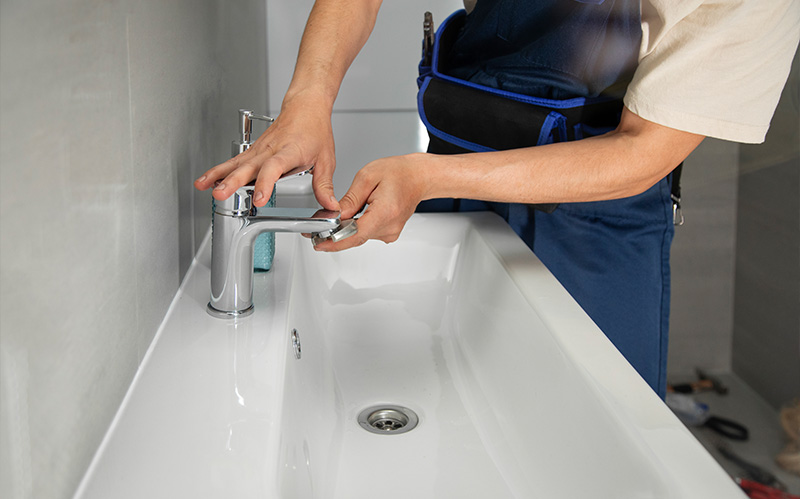
When Discolouration Points to a Plumbing Problem
Rust-coloured water may point to a plumbing issue when it appears frequently, takes a long time to clear, or affects more than one water point in the home. In such cases, the discolouration may be linked to the condition of the pipes or fittings.
One possible cause is corrosion inside older pipes. As pipe surfaces wear down, rust particles can enter the water supply and cause visible discolouration. This may be more common in older flats, resale homes, or properties with ageing pipework that has not been inspected for some time.
Fittings, joints, valves, and internal pipe surfaces may also deteriorate over time. When these components start to wear, they may affect water flow and water appearance. Unlike temporary discolouration caused by external works, internal plumbing issues tend to recur and may gradually worsen.
If the issue keeps recurring, it is safer to have the plumbing system inspected by a reliable plumber in Singapore rather than waiting for it to become more serious. Early inspection can help identify whether the source is corrosion, leakage, sediment buildup, or another fault within the home.
What are Some Other Signs That Suggest a Deeper Issue?
When rusty water is caused by a plumbing problem, it is often accompanied by other warning signs. These symptoms can help homeowners understand whether the issue may involve the pipes themselves.
Look out for signs such as:
- Reduced water pressure
- Recurring discolouration even after running the tap
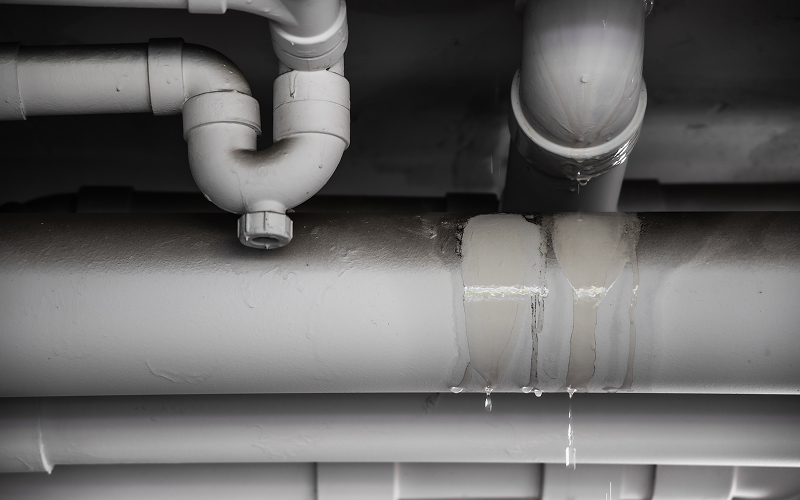
- Leaks or damp spots around pipes
- Unusual noises within the plumbing system
- Inconsistent water flow from taps
These indicators should not be ignored, especially when they appear together. Engaging a plumbing expert can assess the condition of the water pipes and determine whether repairs are needed.
How the Issue Can Be Resolved
Rust-coloured water can be caused by temporary changes in the water supply, but it can also signal a deeper plumbing issue within the home. If the discolouration is persistent or comes with other symptoms, the first step is to identify the source of the problem.
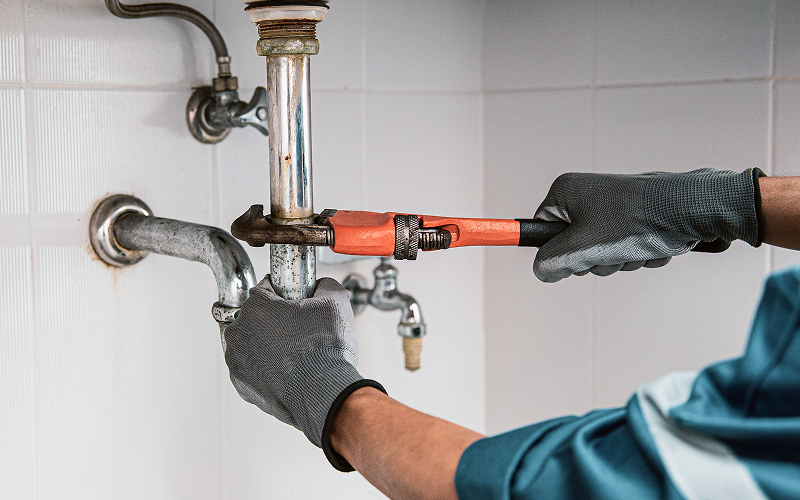
A plumber may check whether the issue affects a single tap, a single bathroom, or the entire home. They may also inspect visible pipes, fittings, valves, and areas where leaks or corrosion may be present.
If the cause is temporary sediment, flushing the affected tap may be enough. However, if the problem is linked to corroded pipes, damaged fittings, or water pipe leakage, a more targeted repair may be needed.
As a dependable plumbing company in Singapore, QB Plumbing provides inspection and repair services for water discolouration issues linked to home plumbing systems. If rusty water is due to pipe damage or leakage, we can help repair the pipe to restore proper water flow and reduce the risk of further deterioration.
The right solution depends on the cause. Some cases may require minor repairs to fittings or valves, while more serious issues may require replacing damaged sections of pipe. Taking action early can help prevent worsening leaks, reduced water pressure, and repeated water quality concerns.
Experiencing persistent rust-coloured water or related plumbing issues? Contact us for practical support.