Key Takeaways:
- A balcony drain blockage happens when rainwater cannot flow freely through the outdoor drainage system.
- Water pooling, slow drainage, overflow, odours, and residue around the drain are common signs of a blockage.
- A drain may look clear on the surface, but the blockage can still be deeper inside the pipe.
- Repeated slow drainage should not be ignored, as it may develop into a more serious drain choke over time.
Introduction
A balcony drain blocked during heavy rain can quickly become more than a minor household inconvenience. In Singapore, sudden downpours are common, and balcony drainage systems need to move rainwater away efficiently. When water cannot drain properly, it may pool on the balcony surface, increasing the risk of seepage into the home.
For many homeowners, the first reaction is to clear whatever they can see around the drain opening. While this may help temporarily, recurring blockage often indicates a deeper issue in the drainage system.
Understanding why your balcony drain keeps getting blocked can help you respond earlier and know when professional support may be needed.
What is a Balcony Drain Blockage?
A balcony drain blockage occurs when water cannot flow freely through the outdoor drainage system. In Singapore homes, balcony drains are designed to channel rainwater away from exposed outdoor areas. When the system is obstructed, water accumulates on the surface instead of draining away as it should.
This blockage can happen suddenly during heavy rainfall, especially when debris is washed towards the drain opening. It can also develop gradually as dust, leaves, small particles, and sediment build up inside the pipes. By the time water starts pooling noticeably, the drain may already have been partially restricted for some time.
A balcony drain that is blocked repeatedly should not be ignored. Even if the water eventually clears, slow drainage is often an early sign that the system is no longer working efficiently. Over time, recurring water retention may cause inconvenience, unpleasant odours, and potential moisture-related issues around the balcony area.
Signs Your Balcony Drain Is Blocked
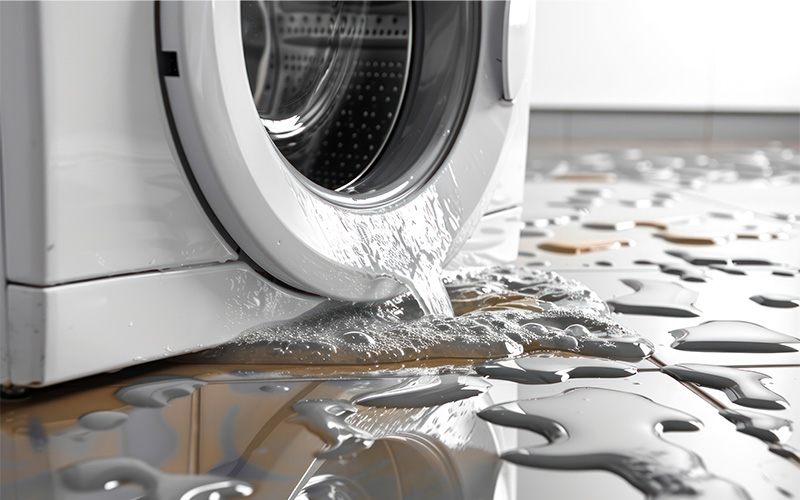
The signs of a balcony drain blockage are usually quite easy to spot, especially after rain. The most obvious sign is water pooling on the balcony floor rather than draining quickly. If the water remains for longer than usual, it may suggest that the drain opening or pipe is restricted.
You may also notice slow drainage even when there is no visible debris on the surface. This can be confusing because the drain may look clear from the outside, but the blockage may be deeper inside the pipe. During heavy rain, the drain may overflow or be unable to cope with the volume of water, causing water to spread across the balcony.
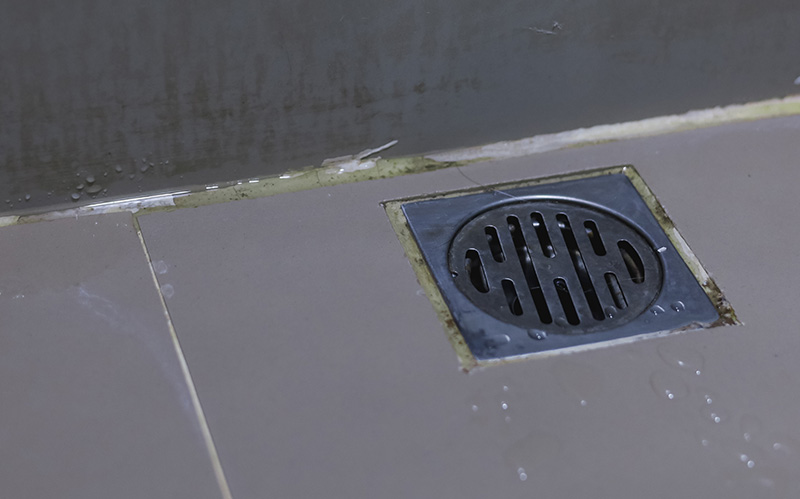
Unpleasant smells from the drain area can also indicate trapped debris or stagnant water within the drainage system. Dirt, residue, or dark marks around the drain opening may suggest that water has been backing up or carrying particles back towards the surface.
In some cases, these signs appear gradually. A drain that used to clear water quickly may start draining more slowly after every rain. This kind of repeated pattern is worth paying attention to because it may develop into a more serious drain choke if left unresolved.
What are the Common Causes of Balcony Drain Blockages?
Balcony drains are exposed to outdoor elements every day, which makes them more vulnerable to blockages than some indoor drains. Wind, rain, dust, leaves, soil, small stones, and other particles can all end up near the drain opening. These materials may gradually collect inside the drain and restrict water flow.
One of the most common causes is debris accumulation. Even balconies without many plants can collect dust and leaves blown in from surrounding areas. In high-rise residential buildings, fine particles may gather over time, especially if the balcony is not cleaned regularly or if rainwater carries dirt towards the drain.
Singapore’s frequent rainfall can worsen this issue. Heavy rain may wash more dirt, plant matter, and small particles into the drainage system within a short period. If these materials settle inside the pipes, the drain becomes less efficient with each rainfall.
Fine sediment is another common factor. Unlike leaves or larger debris, sediment may not be immediately visible. It can settle inside the pipe and slowly narrow the available space for water to pass through. This is likely to cause slow drainage even when the drain opening looks clean.
In some homes, cleaning habits may also contribute to the issue. If balcony washing pushes dirt, hair, plant soil, or cleaning residue directly into the drain, these materials can accumulate inside the pipe. As a result, the drain may struggle to clear water properly.
Why Balcony Drains Keep Getting Blocked
If balcony drain blockages still recur even after cleaning, the problem may go beyond surface debris. Repeated blockage often suggests that something deeper inside the drainage system has not been fully cleared or is preventing water from flowing smoothly.
A partial blockage deeper in the pipe is one possible cause. When only the visible drain opening is cleaned, debris lodged further inside may remain. Water may still pass through slowly, giving the impression that the issue has been solved. However, during the next heavy rain, more debris can collect around the existing obstruction and cause the problem to return.
Improper slope or drainage design can also contribute to recurring issues. Balcony drains need a sufficient gradient to move water towards the outlet. If water does not naturally flow towards the drain, it may linger on the surface or carry debris less effectively through the system. This can increase the chance of repeated buildup.
Residue buildup is another reason blockages may keep returning. Soap residue, cleaning products, dirt, and fine particles can accumulate inside the pipe. This narrows the passageway and gives debris more surfaces to cling to. Even if water appears to drain after cleaning, the pipe may still be restricted.
Recurring debris accumulation can also combine with these underlying issues. For example, a balcony with plants may regularly shed soil and leaves into the drain. If the pipe already has sediment buildup or poor flow, even small amounts of debris can trigger another blockage. This is why the same drain may seem to choke again.
How to Resolve Balcony Drain Issues Effectively
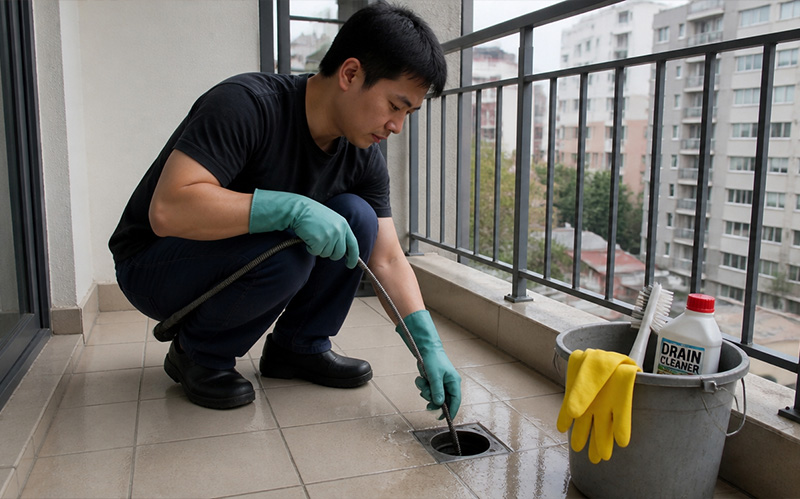
Clearing visible debris from the drain opening can help in minor cases. Homeowners can remove leaves, dirt, and loose particles from the surface, especially before and after heavy rain. Regular balcony cleaning can also reduce the amount of debris entering the drainage system.
However, if the problem keeps coming back, surface cleaning may not be enough. Recurring blockages often require the entire drainage path to be checked and cleared properly. This is especially true when water drains slowly, even though the surface appears clean.
It is recommended to engage professional drain cleaning services in Singapore when the problem keeps returning. The aim is not only to clear the immediate blockage but also to restore proper water flow and reduce the chance of the same problem recurring.
When Should You Call an Expert?
A blocked balcony drain is not just a temporary inconvenience. In Singapore’s rainy climate, water pooling can lead to unpleasant smells, hygiene concerns, and potential seepage risks if left unresolved. While surface cleaning may help in the short term, recurring issues often point to deeper problems within the drainage system.
You should consider calling a plumber if your balcony drain continues to drain slowly after surface cleaning. It is also advisable to seek help if you are unsure where the blockage is located. Trying to force tools or harsh substances into the drain without knowing the cause may damage the drainage system or fail to solve the problem.
QB Plumbing offers practical support to identify and resolve the issue. As a professional plumbing contractor in Singapore,we assess blocked balcony drains carefully and provide suitable solutions to restore proper water flow.
Contact us if you need help with a recurring drain blockage in your home.