Key Takeaways:
- A washing machine drain overflow happens when wastewater cannot flow out quickly enough, causing water to back up from the drain point or floor trap.
- Common signs include pooling water, gurgling sounds, slow drainage, unpleasant odours and dampness around the service yard after each wash.
- If the issue keeps recurring, it may point to a blockage, poor pipe setup or drainage system that cannot handle the machine’s water flow properly.
Introduction
Washing machines are a daily essential in many Singapore homes. From HDB service yards to compact condominium laundry corners, they make household routines easier and more efficient. However, when the drain starts to overflow, a simple laundry cycle can quickly turn into a wet floor, an unpleasant smell, and an unexpected cleanup.
A washing machine drain overflow may seem like a small one-off issue at first. Some homeowners may assume that too much water was released at once or that the washing machine was overloaded. However, when overflow occurs repeatedly, it often indicates a deeper issue in the drainage system. Understanding the possible causes can help you respond early before the problem becomes more disruptive or costly to fix.
What Washing Machine Drain Overflow Means
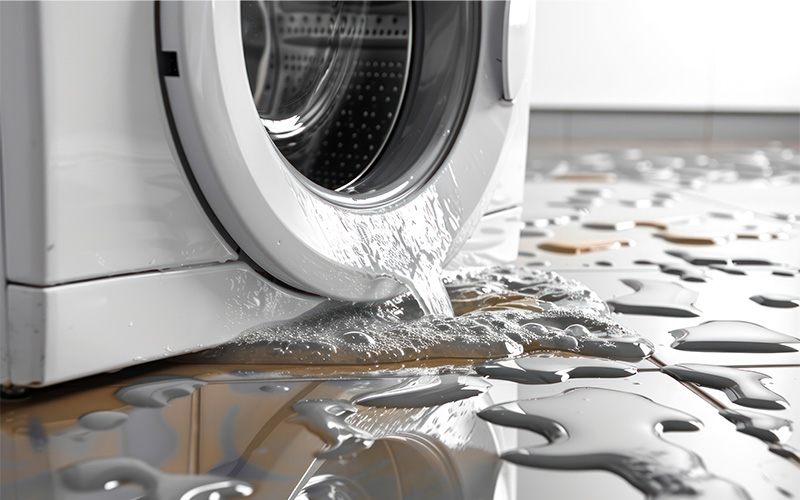
An overflow happens when wastewater from the machine cannot flow out quickly enough through the drainage system. Instead of draining smoothly into the pipe, water backs up and spills out from the drain point, floor trap or surrounding laundry area.
This usually occurs during the discharge or spin cycle, when the washing machine releases a larger volume of water within a short period. If the drainage pipe is partially blocked, poorly positioned, or not designed to handle the water flow, the system may not be able to clear wastewater quickly enough.
Signs Your Washing Machine Drain Is Overflowing
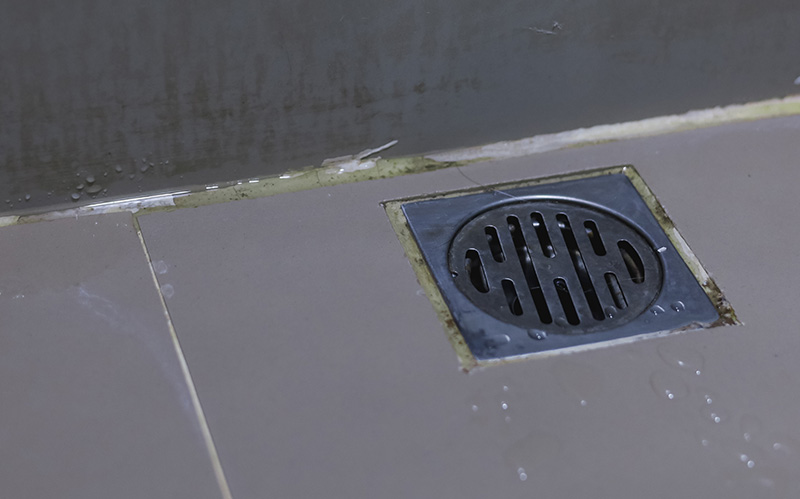
The signs of an overflowing washing machine drain are usually most noticeable during or shortly after a wash cycle. You may see water pooling around the floor trap, drain point or base of the washing machine. Overflow may occur mainly during the spin or discharge phase, when the machine pushes wastewater out more forcefully.
Other warning signs can include gurgling sounds from the drain, slow drainage after the washing machine finishes or unpleasant odours coming from the laundry area. These symptoms suggest that water is not flowing out as efficiently as it should.
Some homeowners may only notice dampness around the service yard after each laundry cycle. While this may seem minor, repeated water exposure can affect surrounding finishes, create slip risks and contribute to hygiene concerns. If the issue keeps returning, it is likely more than a surface-level problem.
What are the Causes of Overflowing Washing Machine Drain?
1. Blockages from Lint, Debris and Detergent Residue
One of the most common causes of washing machine drain overflow is a blockage inside the pipe. Washing machine wastewater often carries lint, fabric fibres, dirt, detergent residue and small debris. Over time, these materials can collect along the inner pipe walls and restrict water flow.
Unlike a clogged kitchen sink, a washing machine drainage blockage may not be immediately obvious. The buildup often occurs gradually inside the pipe, so the drain may still work for some time before the restriction becomes severe enough to cause overflow.
As the pipe narrows, it becomes harder for wastewater to flow through quickly. During a normal wash cycle, the sudden release of water can overwhelm the restricted drain. This causes water to back up and spill out of the drain.
This type of drain choke is especially common when drains have not been cleaned for a long time or when lint and residue accumulate. Regular maintenance and timely inspections can help prevent small build-ups from becoming recurring overflow problems.
2. Drain Pipe Size or Design Limitations
Not every overflow is caused by a heavy blockage. In some Singapore homes, especially older HDB units or renovated spaces, the drainage setup may not be fully suited to modern washing machine usage.
Some newer washing machines discharge water quickly, placing more demand on the drainage system. If the drain pipe is too narrow, poorly aligned or not designed to handle this flow rate, water may back up even when there is no major obstruction inside the pipe.
Pipe layout can also affect drainage performance. Sharp bends, poor gradients, or awkward connections may slow wastewater flow. In compact laundry areas, the plumbing setup may have been adjusted during renovation, sometimes without considering how the washing machine will discharge water during regular use.
When pipe design is the issue, simple surface cleaning may not fully solve the problem. The drainage setup may need to be assessed to determine whether adjustments are required.
3. Improper Washing Machine Hose Placement
The washing machine hose plays an important role in how wastewater enters the drainage system. If the hose is inserted too deeply into the drain, bent at an awkward angle or not secured properly, it may affect water flow and airflow.
When the hose is pushed too far into the drain point, it can create resistance to drainage. This may slow down water movement and increase the chance of water backing up. If the hose is loose or poorly positioned, wastewater may splash back or leak around the drain opening.
A kinked or compressed hose can also reduce discharge efficiency. Even when the drain pipe itself is clear, poor hose placement can make the system appear blocked. This is why the hose setup should be checked before assuming the issue is entirely caused by the main drainage pipe.
In some cases, a small adjustment to the hose position may improve drainage. However, if overflow continues after the hose has been repositioned, the cause is likely deeper within the plumbing system.
How to Resolve Washing Machine Drain Overflow
While minor issues such as adjusting the hose position may help in some cases, recurring overflow usually requires a more thorough solution. Identifying whether the problem is due to a blockage, pipe limitation, or setup issue is key to resolving it effectively.
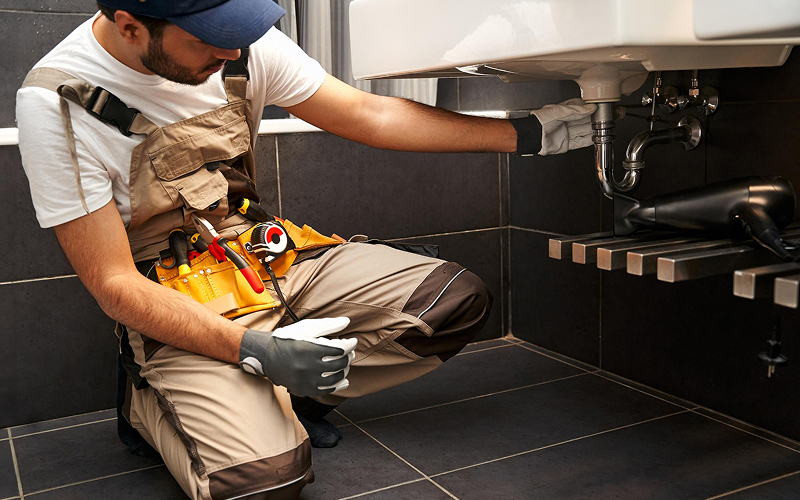
To help restore proper water flow, engaging professional drain cleaning services in Singapore is recommended. Experts can help remove the restrictions that cause wastewater to back up during washing machine discharge. For homeowners, this provides a clearer solution than repeated temporary fixes. Pouring water down the drain, wiping the area, or adjusting the hose is likely to help briefly, but these steps may not resolve underlying restrictions in the pipe.
As a reliable plumbing company in Singapore, QB Plumbing provides practical drain cleaning services to help identify and clear underlying drainage issues. If the problem is linked to the pipe setup or installation, we provide further recommendations to improve drainage performance for regular use of the washing machine.
If the overflowing problem keeps recurring, contact us to arrange a professional inspection.