Key Takeaways:
- Plumbing brings clean water into the home, while drainage removes used water and waste from the property.
- The difference between plumbing and drainage is usually easier to understand by looking at the water direction.
- Weak water flow, leaking pipes, or hot water issues are usually linked to plumbing.
- Slow drains, blocked toilet bowls, floor trap issues, or backflow are usually linked to drainage.
Introduction
Plumbing and drainage are often mentioned together, but they do not do the same job. In simple terms, plumbing brings clean water into your property, while drainage carries used water and waste away from it. Both systems are part of daily home routines, from turning on a tap to flushing the toilet, but the problems they cause can be very different.
Knowing the difference between plumbing and drainage can help homeowners understand what may be happening when something goes wrong. For example, if your toilet will not flush properly, it may be a plumbing issue. However, if the toilet is blocked and water cannot clear, it is more likely a drainage issue. Understanding this distinction can help you describe the problem more clearly and decide when professional help is needed.
What Is Plumbing?
Plumbing is the system that supplies clean water to your home and carries it to fixtures such as taps, showers, toilets, sinks, and water heaters. It relies on water pressure from the mains supply to deliver water where it is needed.
Your plumbing system supports daily activities such as drinking, cooking, bathing, washing, and cleaning. When this system has a fault, you may notice problems with water flow, water pressure, leaks, or hot water supply. Most plumbing work involves checking how water enters, moves through, and functions within the home.
What are the Common Plumbing Issues?
Plumbing problems usually affect how clean water enters, flows through, or functions within the home. Some problems are easy to notice, such as leaking taps or weak water pressure, while others may develop quietly behind walls, under sinks, or within connected fixtures.
1. Leaking Taps, Pipes, or Fixtures
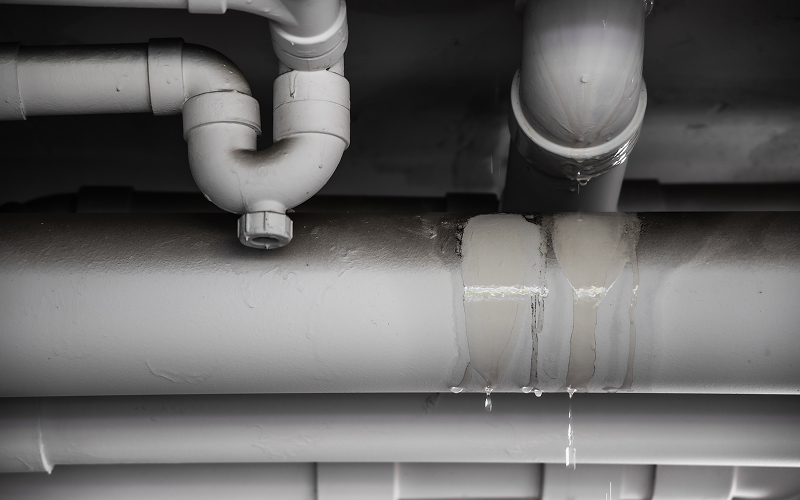
Leaks can happen around taps, showers, toilets, pipe joints, or exposed pipes. They may be caused by worn seals, damaged fittings, loose connections, high water pressure, or ageing parts. Even a small leak should be addressed promptly, as it can lead to water waste, stains, or damage to nearby cabinets, floors, and walls. Regular plumber maintenance can help identify small leaks before they become more serious.
2. Low Water Pressure
Low water pressure can make showers, taps, and appliances difficult to use. It may be caused by blocked valves, hidden leaks, pipe build-up, or issues with the water supply. If the problem affects only one fixture, it may be a localised issue. If it affects several fixtures, the cause may be deeper within the plumbing system. When low pressure persists for an extended period, it is usually best to have a plumber inspect the system.
3. Faulty Water Heater
A water heater problem may show up as no hot water, inconsistent temperature, weak hot water flow, or unusual noises. The issue may be linked to pressure, electrical components, internal parts, installation faults, or ageing equipment. Water heater problems should be handled carefully, especially when electrical connections are involved.
4. Running Toilet or Weak Flush
If your toilet keeps refilling, makes constant water sounds, or does not flush properly, the issue may be linked to the flush valve, handle, internal mechanism, or water supply. This is considered a plumbing issue because it affects how water enters the toilet system and how it operates. A weak flush may also waste water over time or make the toilet harder to use.
What Is Drainage?
Drainage refers to the system that removes used water, wastewater, and waste from your property. One key difference between plumbing and drainage is that plumbing relies on pressure to deliver clean water, while drainage usually depends on gravity. Drainage pipes are installed at a slope so wastewater can flow away from sinks, showers, toilets, floor traps, and other outlets.
This system helps keep the home hygienic by removing dirty water safely. When drainage problems occur, they can cause unpleasant smells, slow draining, overflow, backflow, or wastewater pooling in the wrong areas.
What are the Common Drainage Issues?
Drainage issues usually affect how used water and wastewater leave the home. They may start as slow-draining water, unpleasant smells, or minor pooling, but can become more serious if the blockage or flow problem is deeper within the drainage line.
1. Slow or Blocked Drains
Slow drainage is often one of the first signs of a blockage. In kitchens, this may be caused by grease, food scraps, or soap residue. In bathrooms, hair, soap scum, and debris may collect inside the drain. If water drains slowly even after cleaning the visible area, the blockage may be deeper inside the pipe.
2. Toilet Bowl Choke
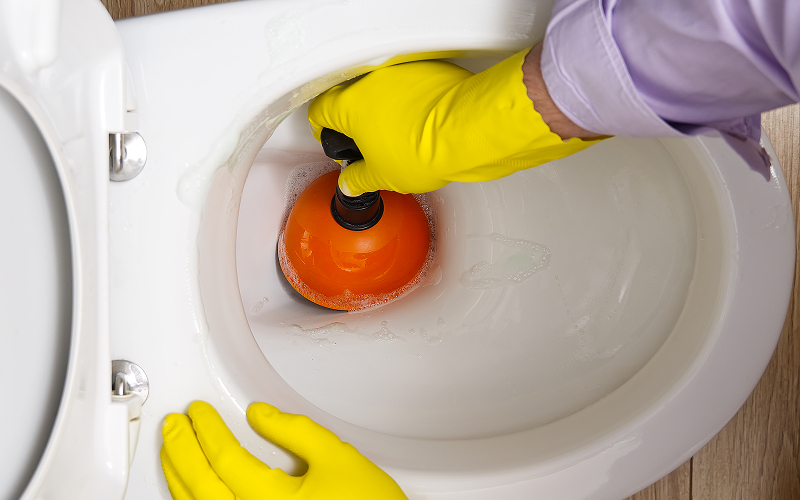
A blocked toilet is usually a drainage issue because wastewater cannot leave the toilet bowl properly. This may happen when unsuitable items are flushed or when there is a blockage further along the drainage line. A toilet bowl can quickly become unhygienic, especially if water rises, overflows, or returns after flushing. Repeated toilet chokes should be inspected professionally to identify the source of the problem.
3. Floor Trap Problems
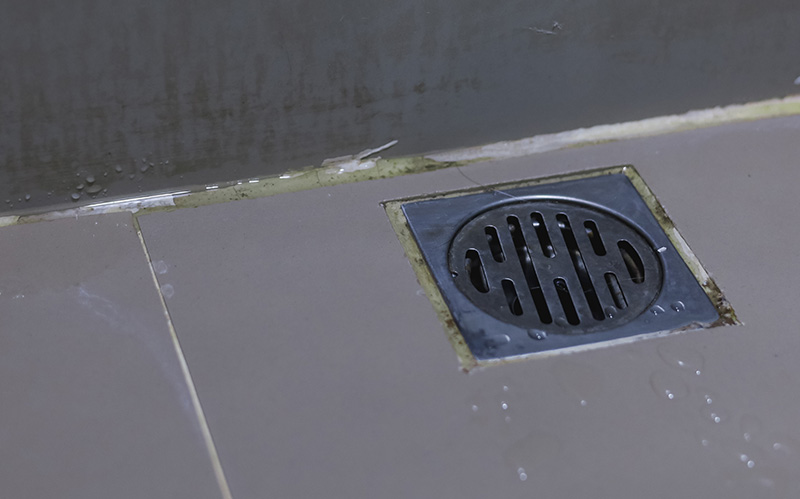
Floor traps help drain water from bathrooms, kitchens, and service areas. When a floor trap is choked, water may drain slowly, pool around the floor, or flow back up. Odours may also occur if the water seal dries out or if waste builds up inside the drainage line.
4. Drain Backflow or Overflow
Backflow happens when wastewater comes back up through a drain instead of flowing away. This can be messy and unhygienic, especially if it involves wastewater from toilets, kitchens, or bathrooms. Drain backflow may indicate a serious blockage that requires professional clearing. If wastewater is involved, homeowners should avoid using the affected fixture until the issue is checked.
The Main Difference Between Plumbing and Drainage
The easiest way to understand the difference is to think about the water direction. Plumbing brings clean water into your property and moves it around the home, while drainage removes used water and waste from your property.
A few simple examples can make this clearer. If your tap has weak water flow, that is likely a plumbing issue. Meanwhile, when water cannot flow away, such as a sink that drains slowly or a toilet bowl that remains blocked, the problem may be linked to drainage.
Both systems are important, but the repair approach may be different. Plumbing work often involves water supply pipes, valves, fixtures, heaters, and pressure. On the other hand, drainage work often involves blockages, waste pipes, floor traps, sewer lines, and flow problems.
How Plumbing and Drainage Problems Can Affect Each Other
Although plumbing and drainage are separate systems, they can still affect each other in daily use. If a drain is blocked, you may not be able to use the connected tap, shower, basin, or toilet because the water has nowhere to go. Continuing to use the fixture may cause overflow or water damage.
On the other hand, if there is no incoming water due to a plumbing fault, some drainage fixtures may also become less effective. For example, water sitting in an S-trap helps block sewer smells from entering the home. If fixtures are unused or water levels dry out, unpleasant odours may appear.
This is why it is important to look at the full situation rather than only the visible symptom. A plumber can assess whether the issue starts from the water supply side, the drainage side, or both.
When Should You Call a Professional?
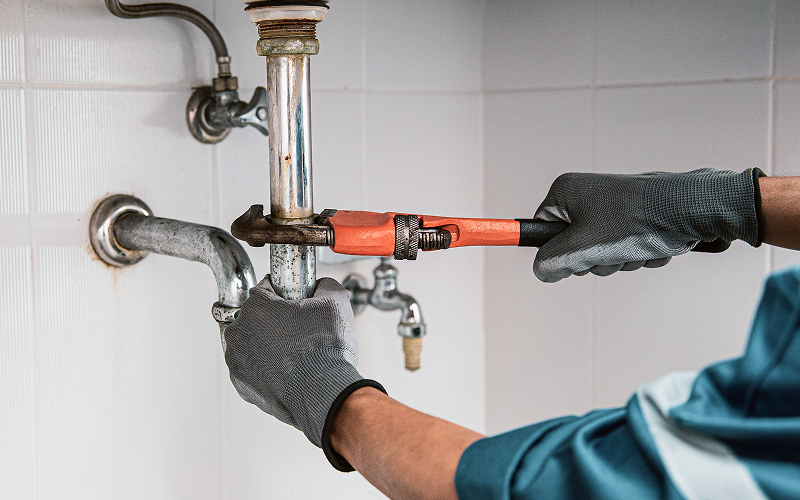
DIY methods may help with very minor surface-level issues, but they may not solve deeper plumbing or drainage problems. In some cases, forcing a blockage or using harsh chemicals can damage pipes or worsen the issue. A professional plumber can identify the cause, recommend the right repair method, and reduce the chance of the problem returning.
You should engage a plumber if the issue:
- Is recurring
- Affects multiple fixtures
- Involves dirty wastewater
- Causes overflow
- Is located in a concealed or hard-to-reach area
Professional help is also important if there are signs of hidden leaks, low pressure throughout the home, repeated toilet chokes, floor trap backflow, or water heater faults. For urgent issues such as serious leaks, overflowing drains, or toilet chokes, a 24-hour plumbing service can help prevent further damage and restore normal use more quickly.
When a water issue occurs, it may not always be clear whether the problem is in the plumbing or drainage system. QB Plumbing helps you identify the difference between plumbing and drainage before recommending the right solution. Whether you need urgent plumbing repair, routine maintenance, or emergency assistance, our team provides prompt and effective support tailored to your needs.
Contact us for prompt and effective plumbing services.