


When a Smelly Floor Trap Indicates a Bigger Problem
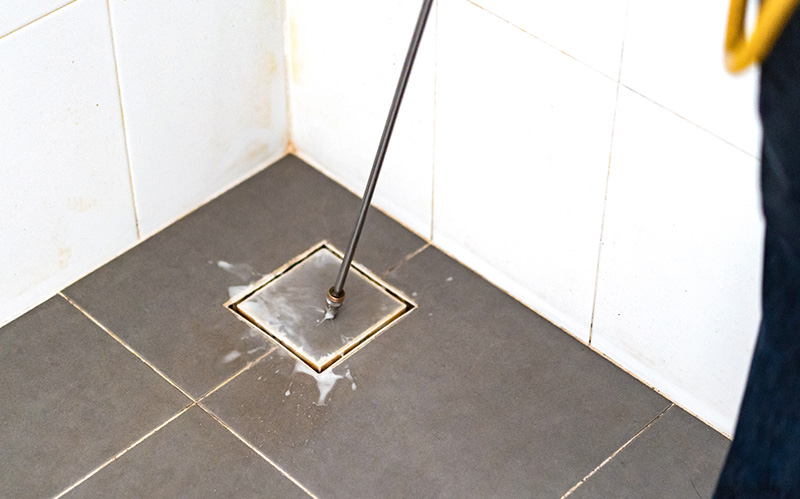
A bad smell from your bathroom, kitchen, or service yard can be frustrating, especially when regular cleaning does not seem to solve it. When the odour keeps returning from the same area, the issue is often not the floor surface itself but the floor trap. A smelly floor trap may sometimes point to deeper plumbing concerns. The problem may not be limited to surface dirt, but possibly involve trapped waste, slow drainage, dry traps, poor ventilation, or pipe-related issues within the drainage system.
Are Lime Deposits Damaging Your Plumbing System Over Time?
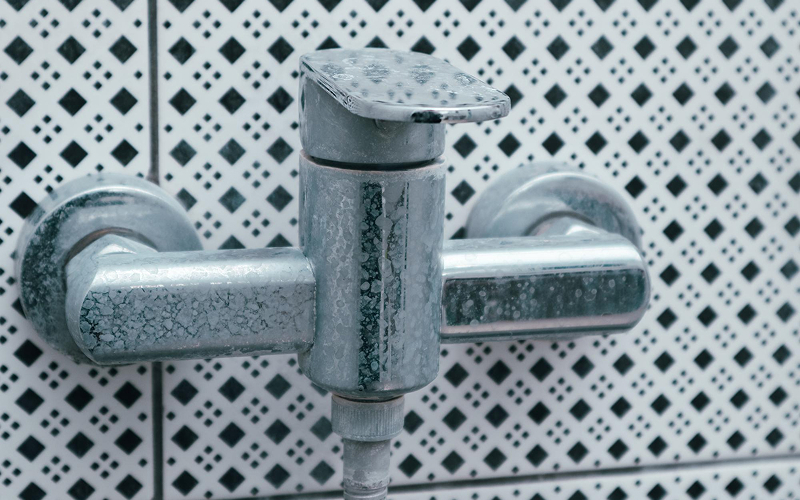
Many plumbing issues do not start with obvious leaks or sudden breakdowns. Instead, they often develop gradually through small changes that are easy to overlook. One of the underestimated causes is lime deposits. What begins as a surface-level stain may slowly contribute to reduced water flow, worn fixtures, and recurring plumbing problems. Spotting limescale early can help homeowners prevent more costly plumbing issues later.
What Happens When a Toilet Flush Valve Is Not Sealing Properly
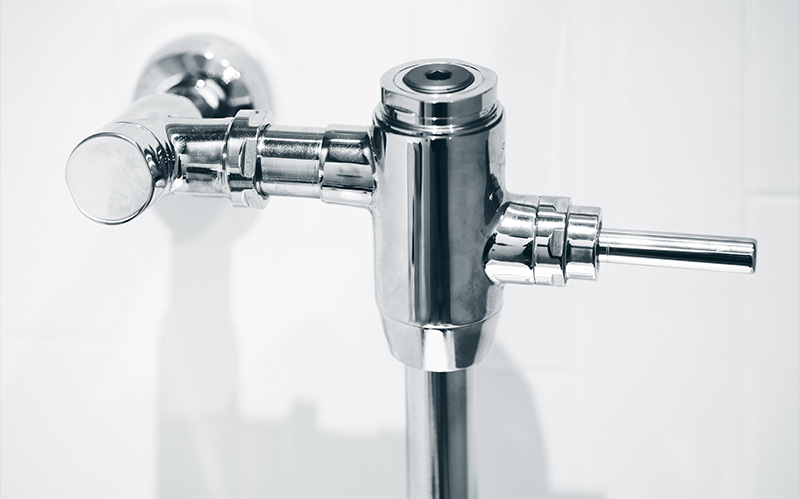
A toilet that keeps running, flushes weakly, or needs repeated flushing may seem like a minor household inconvenience at first. However, these signs often point to an issue inside the toilet tank, especially when the flush valve is not sealing properly. When this happens, water may continue leaking into the bowl, resulting in unnecessary water wastage, higher utility bills, and weaker flushing performance. This article explains what happens when a toilet flush valve does not seal properly, the common causes, and when it may be time to seek professional help.
Understanding Toilet Tank Sweating: Causes, Signs, and Solutions
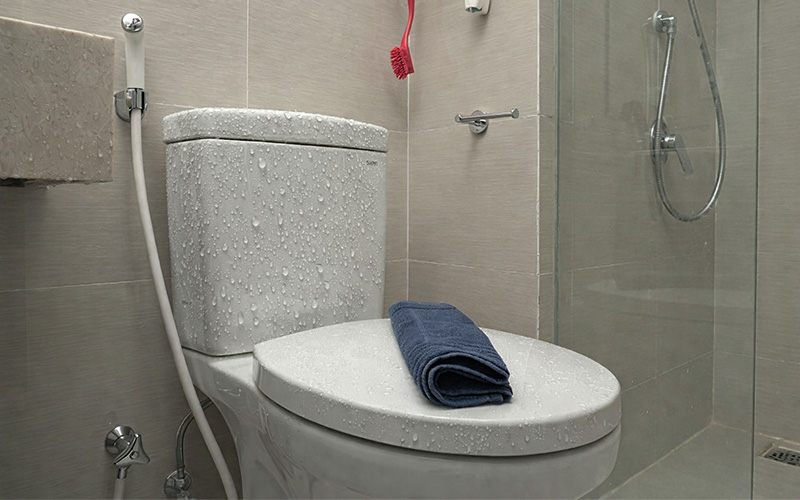
In Singapore’s warm, humid climate, toilet tank sweating is a fairly common issue in which moisture forms on the outside of the tank. It occurs when the cold tank surface comes into contact with humid air, leading to condensation. Although it may seem harmless at first, persistent dampness can lead to surface damage, hygiene concerns, and potential safety risks if left unmanaged. With the right approach, most cases can be reduced or prevented before they escalate into more serious problems.
Why Your Toilet Flush Button Gets Stuck
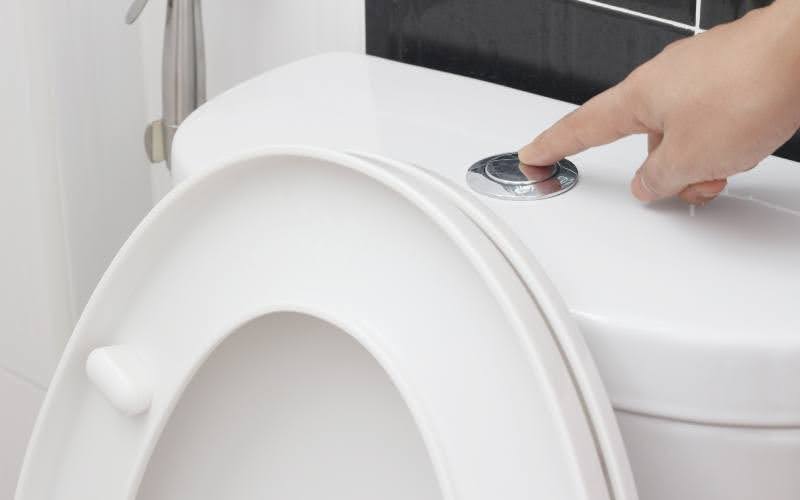
A jammed toilet flush button may seem like a small household inconvenience, but it can quickly affect how your toilet works day to day. If you have noticed your toilet flush button is stuck, slow to reset, or uneven when pressed, it is worth addressing the issue early. A jammed button can cause continuous water flow, reduced flushing efficiency, and unnecessary water wastage. Over time, it can strain internal parts and make repairs more difficult.
What Causes a Burst Pipe and What You Should Do
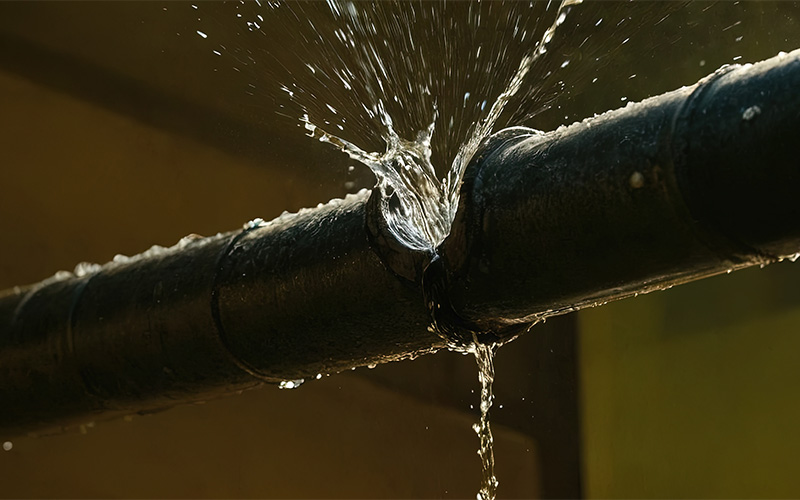
A burst pipe is one of the most disruptive plumbing issues a homeowner can face. In many Singapore homes, piping is concealed within walls, ceilings, or floors, making it difficult to spot early signs of damage. Understanding what causes a ruptured pipe and knowing how to respond helps you act quickly. With the right approach and timely intervention, what may become a major repair can often be contained early.
Toilet Overflow Emergency Guide: How to Stop It Before It Gets Worse
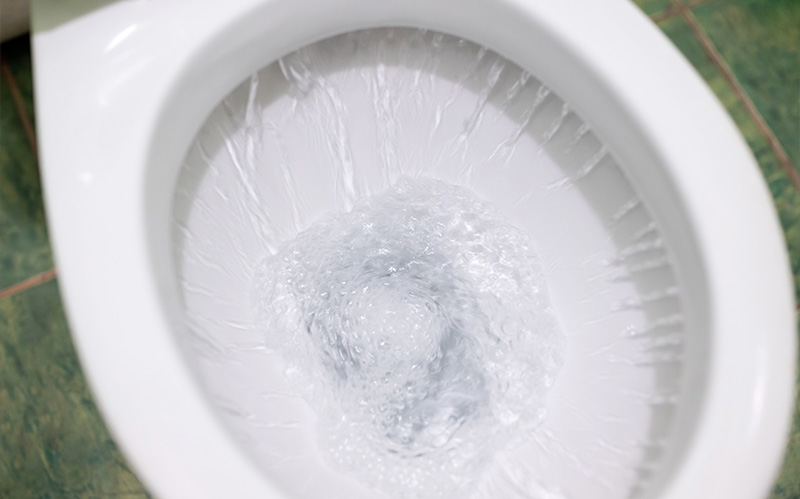
A toilet overflow is more than a messy inconvenience. It is often a sign that something within your plumbing system is not functioning properly. Whether the issue is caused by a simple blockage or a deeper drainage problem, acting quickly can prevent water damage, hygiene concerns, and more extensive repairs. This guide outlines key warning signs, common causes, and practical steps to manage the issue safely.
What is a Water Hammer and How Do You Fix It?
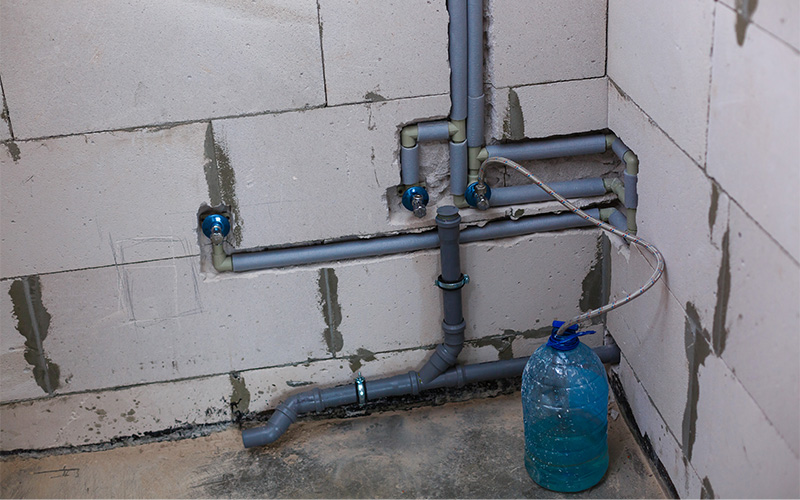
Water hammer, also known as hydraulic shock, is a common plumbing issue homeowners often experience. Typically presenting as loud banging or knocking sounds in the pipes, hydraulic shock is actually a sign of sudden pressure changes within the plumbing system. Understanding the cause and knowing how to manage it helps protect your home plumbing system and reduce repair costs over time.
Fixing a Leaking Tap in Singapore: What You Can Do First
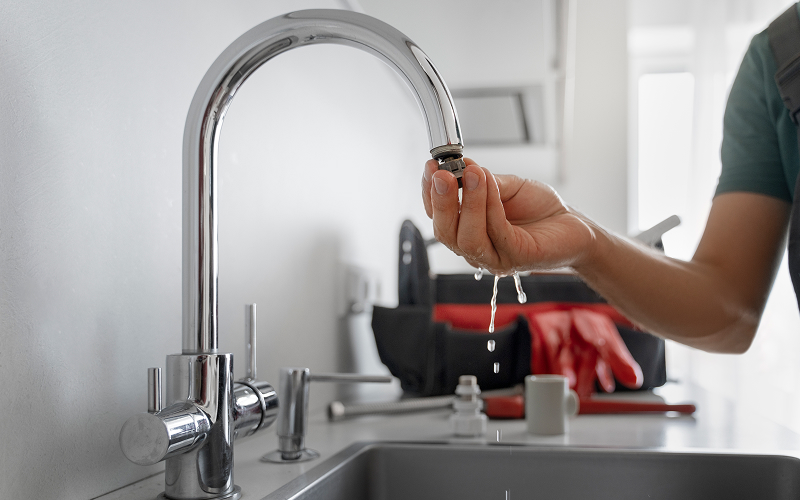
A dripping tap may seem like a minor inconvenience, but it is often an early sign of wear within your plumbing system. Taps are used frequently throughout the day, which means internal components such as washers, cartridges, and seals are constantly under pressure. This repeated use can lead to gradual deterioration, even if the tap appears to function normally at first. By understanding the basics of fixing a leaking tap, homeowners can take simple steps to manage minor problems early.
Understanding Water Heater Leaking: Causes and Fixes
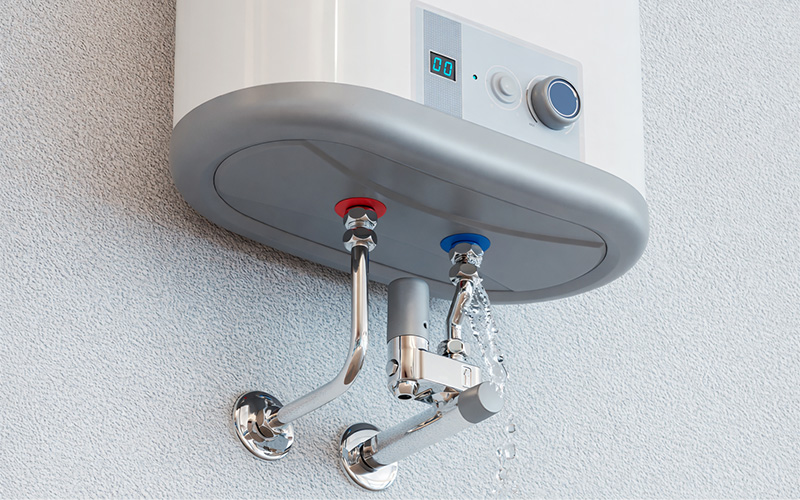
A leaking water heater can be a worrying issue for any homeowner. In many Singapore homes, water heaters are used daily and are often installed in compact bathroom spaces, so even a small leak can quickly become disruptive. In many cases, the issue may stem from minor components such as valves or pipe connections that can be resolved with a simple check. This guide explains how to identify common leak sources, what actions to take immediately for safety.