Key Takeaways:
- Toilet tank sweating is mainly caused by temperature differences and high bathroom humidity.
- Warm, moisture-heavy air condenses on the cold tank surface, especially in poorly ventilated spaces.
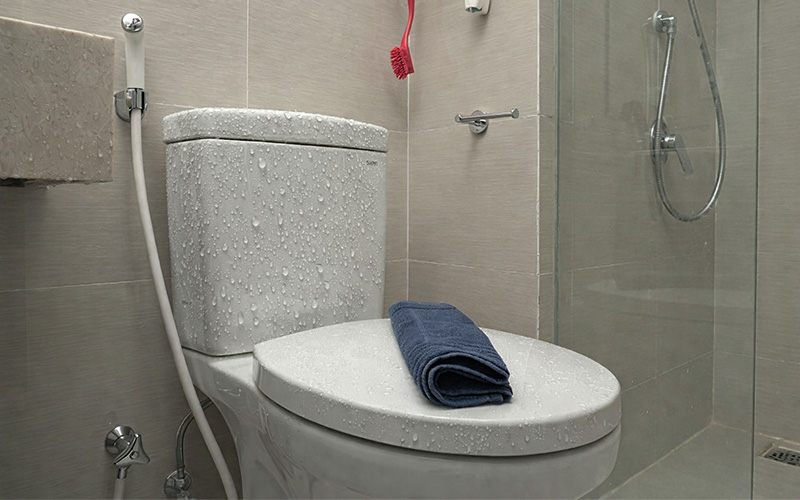
- Common signs include water droplets on the tank, damp patches near the base, and a persistently humid bathroom environment.
- Early detection helps prevent surface damage and reduces the risk of mould and moisture-related issues.
Introduction
In Singapore’s warm, humid climate, toilet tank sweating is a fairly common issue in which moisture forms on the outside of the tank. It occurs when the cold tank surface comes into contact with humid air, leading to condensation. Although it may seem harmless at first, persistent dampness can lead to surface damage, hygiene concerns, and potential safety risks if left unmanaged.
For homeowners, understanding why this happens and how to manage it is essential for maintaining a clean, dry, and safe bathroom environment. With the right approach, most cases can be reduced or prevented before they escalate into more serious problems.
Why Does Toilet Tank Sweating Happen?
The issue happens due to a combination of temperature differences and high humidity. In Singapore’s climate, warm, moisture-heavy air easily condenses on the cold surface of the toilet tank. Understanding these factors helps explain why condensation forms and how it can be reduced.
1. Temperature Differences
A main reason behind condensation is the difference in temperature between the water inside the tank and the surrounding air. Indoor environments often remain warm throughout the day, especially in bathrooms with limited airflow.
When cold water fills the tank after each flush, it creates a cool surface. As warm air comes into contact with this surface, moisture in the air condenses into water droplets. This effect becomes more noticeable during hotter days or periods of increased humidity.
2. High Humidity Levels
Humidity is a key factor behind toilet tank condensation. Bathrooms naturally trap moisture from showers, sinks, and daily use. Without proper ventilation, this moisture accumulates in the air.
When humid air settles on a cold tank surface, condensation forms more easily. In enclosed bathrooms, the lack of airflow can make the problem more persistent, with visible droplets forming regularly throughout the day.
Signs Your Toilet Tank Is Sweating
Toilet tank condensation is usually easy to identify once you know what to look for. Early detection allows you to take action before the issue affects surrounding surfaces.
Common signs include:
- Water droplets forming on the outside of the tank
- Damp patches or small puddles near the base of the toilet
- Increased humidity or a lingering damp feeling in the bathroom
- Surfaces that feel consistently moist, even when not in use
If these signs appear regularly, it is likely that condensation is building up rather than a leak occurring.
Problems Caused by Toilet Tank Sweating
Condensation on the toilet tank can lead to more than just minor inconvenience if left unchecked. Constant moisture around the toilet area can affect surfaces, hygiene, and overall bathroom safety. Identifying the potential problems can help address the issue before it escalates.
1. Floor and Structural Damage
Continuous dripping from the tank can affect flooring materials over time. Even small amounts of water can seep into grout lines, tile edges, or subflooring beneath the surface.
If left unresolved, this may lead to staining, material weakening, or gradual deterioration. In some cases, moisture may spread beyond the immediate toilet area, affecting nearby fixtures.
2. Mould and Mildew Growth
Moist environments encourage the growth of mould and mildew. Damp bathrooms create ideal conditions for mould growth on walls, grout, and other hidden surfaces. This can impact indoor air quality and may lead to unpleasant odours. Mould can also gradually damage surfaces, requiring more extensive cleaning or repairs.
3. Higher Water Bills
Although condensation itself does not directly increase water usage, it may sometimes be linked to internal issues within the toilet. For example, a faulty component can cause the tank to refill more frequently, keeping the surface cold and increasing condensation.
In such cases, water usage potentially rises without being immediately noticed, making early inspection important.
4. Safety Hazards
Water pooling on bathroom floors can pose a slip hazard. This is particularly concerning in households with children or elderly members, where even slight moisture can cause accidents. Maintaining dry surfaces is important for overall household safety.
How to Reduce or Stop Toilet Tank Sweating
Managing both humidity and temperature differences in your bathroom helps address toilet tank moisture build-up. With the right steps, you can keep your bathroom dry and safe. However, if the problem persists, seeking toilet repair in Singapore is recommended.
1. Improve Ventilation
Better airflow is one of the most effective ways to reduce condensation. Using an exhaust fan during and after showers helps remove excess moisture from the air. Keeping the bathroom door slightly open when possible can also improve air circulation. This allows humid air to escape rather than settling on surfaces, such as the toilet tank.
2. Lower Humidity Levels
Reducing overall bathroom humidity helps limit condensation. A dehumidifier can be useful in enclosed spaces that remain damp throughout the day. Additionally, air-conditioning also helps stabilise indoor temperature and moisture levels. Limiting long, hot showers may further reduce the amount of moisture released into the air.
3. Insulate the Toilet Tank
Installing an internal insulation liner may reduce the temperature difference between the tank surface and the surrounding air. This helps minimise the formation of condensation.
Insulation is particularly useful for older toilets that were not designed with moisture control in mind. By reducing the cold surface effect, it prevents water droplets from forming as easily.
4. Use a Drip Tray
A drip tray placed under the tank can help collect excess water. While it does not solve the root cause, it protects flooring from immediate damage while other solutions are implemented. This can be a practical, temporary measure, especially in situations where condensation is more noticeable at certain times of day.
5. Check for Internal Leaks
Frequent refilling keeps the tank water cold and increases condensation. Internal components, such as the flapper or fill valve, should be checked regularly. It is important to ensure these components function properly to maintain stable water levels and minimise temperature changes.
6. Adjust Bathroom Conditions
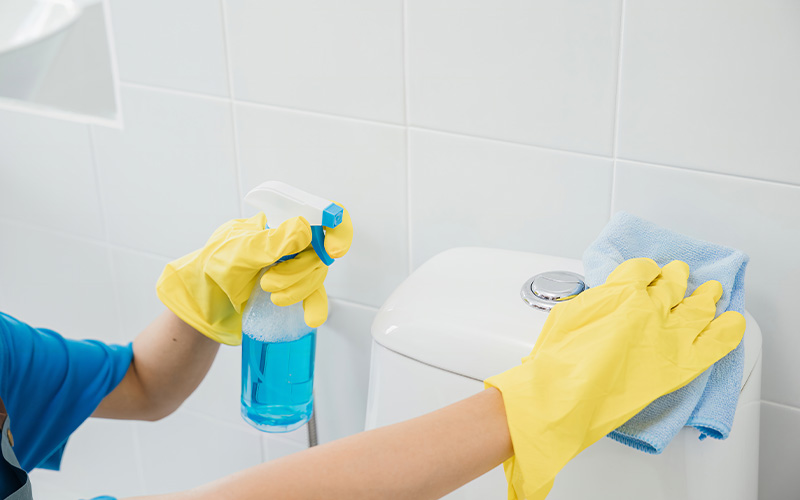
Maintaining balanced bathroom conditions helps reduce condensation. Improving ventilation, limiting moisture, and drying surfaces regularly can make the issue more manageable. Regular upkeep also helps prevent the problem from returning.
When the Problem Persists
In some cases, moisture on the toilet tank may continue to build up despite basic efforts to reduce humidity and improve ventilation. This may indicate underlying issues that require closer inspection.
Possible causes include:
- Excessive humidity levels beyond normal household conditions
- Hidden leaks or worn internal components
- Poor insulation within the tank
- Outdated toilet designs that are more prone to condensation
When these factors are present, more advanced solutions and professional plumber maintenance may be required to fully resolve the issue. A proper assessment helps identify the root cause accurately. This is particularly important when condensation is accompanied by unusual water usage or persistent dampness in the bathroom.
Expert Help for Persistent Problem
Addressing condensation early helps prevent unnecessary damage and keeps your bathroom environment comfortable and safe. While some solutions can be handled with simple adjustments, persistent issues may require professional expertise.
As a trusted provider of plumbing and services in Singapore, QB Plumbing supports homeowners with reliable solutions for everyday plumbing needs. From diagnosing hidden issues to carrying out targeted repairs, our approach focuses on restoring proper function without unnecessary disruption.
Contact us for help with condensation on your toilet tank.