Key Takeaways:
- Most burst pipes are caused by pressure, ageing materials, blockages, poor installation, or external damage.
- High water pressure and internal build-up are common triggers that weaken pipes over time.
- Early warning signs include low water pressure, unusual noises, damp patches, rising bills, and musty smells.
- Acting on these signs early can prevent major damage and costly repairs.
Introduction
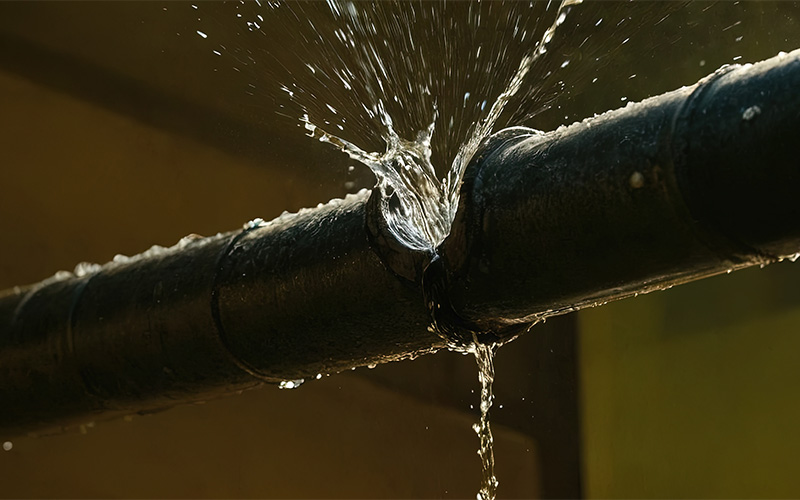
A burst pipe is one of the most disruptive plumbing issues a homeowner can face. In many Singapore homes, piping is concealed within walls, ceilings, or floors, making it difficult to spot early signs of damage. What begins as a minor issue can quietly worsen behind the surface. By the time it becomes visible, the situation may have already escalated into a more serious problem.
Understanding what causes a ruptured pipe and knowing how to respond helps you act quickly. With the right approach and timely intervention, what may become a major repair can often be contained early.
What are the Common Causes of a Burst Pipe?
Before dealing with an emergency, it helps to understand why pipes fail in the first place. Most cases are not random. They are usually the result of gradual stress or underlying issues within the plumbing system.
1. High Water Pressure
Excessive water pressure continuously stresses pipes and joints. While strong pressure may seem beneficial for daily use, it can weaken the internal structure of pipes over time. Eventually, this pressure may exceed the material’s capacity to withstand it, leading to a rupture.
2. Ageing or Corroded Pipes
Older pipes, particularly those made from metal, deteriorate with time. Corrosion, rust, and internal wear reduce the pipe’s strength, making it more vulnerable to sudden failure. In older HDB flats or landed properties, ageing infrastructure is a common cause of burst pipes.
3. Blockages and Build-Up
Debris, grease, and mineral deposits can accumulate inside pipes, restricting water flow. As water continues to push through the blockage, pressure builds behind it. This pressure can eventually cause the pipe to crack or burst.
4. Poor Installation or Weak Joints
Pipes that are improperly installed or fitted with low-quality materials are more likely to fail. Joints are particularly vulnerable points within any plumbing system. Even under normal usage, weak joints may loosen or break over time.
5. External Damage or Structural Movement
Renovation works, accidental drilling, or even slight structural movement can compromise pipe integrity. These disruptions may create small cracks or weaken joints without immediate visible signs. Over time, water pressure and daily use can worsen the damage, eventually leading to the pipe failing.
Warning Signs Before a Pipe Bursts
In many cases, a ruptured pipe develops gradually, with subtle warning signs appearing before a major failure occurs. These early indicators often reflect underlying stress within the plumbing system, whether from pressure, wear, or hidden damage.
- Sudden drop in water pressure
- Unusual noises such as banging or whistling
- Damp patches, stains, or peeling paint on walls or ceilings
- Unexpected increase in water bills
- Musty odours that suggest hidden moisture
Addressing these warning signs promptly can help limit potential damage, reduce repair costs, and prevent disruptions to your home. Early intervention also ensures that minor issues are resolved before they develop into a full-scale plumbing emergency.
What to Do Immediately When a Pipe Bursts
When a burst pipe occurs, quick action is critical. The first few minutes can significantly affect the extent of damage.
1. Shut Off the Water Supply
Locate your main water valve and turn it off immediately to stop the water flow at its source. This is the most important first step in controlling the situation, helping limit further flooding and damage to your home.
2. Turn Off Electricity in Affected Areas
If water has reached electrical outlets, wiring, or appliances, switch off the electricity supply to the affected areas as soon as it is safe to do so. This helps minimise the risk of electrical shock and reduces the likelihood of short circuits or fire hazards.
3. Drain Remaining Water
Once the main water supply has been shut off, open all taps in your home to release any remaining water trapped within the pipes. This helps relieve residual pressure in the system and prevent further leakage.
4. Contain the Leak
Use buckets, towels, or containers to catch and control the water. This prevents it from spreading to other parts of your home. At this stage, contacting a professional for pipe repair becomes important to properly address the issue.
How to Minimise Water Damage
Once the immediate situation is under control, the next priority is managing water damage and preventing it from spreading further. Acting quickly at this stage helps reduce the risk of structural damage and long-term moisture-related issues.
1. Remove Standing Water Quickly
Use mops, towels, or a wet vacuum to clear any standing water. The longer water remains, the higher the risk of water damage.
2. Dry the Area Thoroughly
Use fans, dehumidifiers, or natural ventilation to dry affected areas. Moisture trapped in walls or flooring can lead to long-term issues.
3. Protect Important Belongings
Move electronics, furniture, and important documents away from the affected area. Focus on items that are difficult to replace.
Checking for Hidden Damage
Even after visible water has been removed, moisture can remain trapped in areas not immediately visible, leading to hidden damage over time. Water may seep into walls, ceilings, or flooring, where it continues to affect materials even after the surface appears dry.
It is important to inspect for early signs such as discolouration, bubbling paint, warped flooring, or soft spots in walls. Lingering musty odours can also indicate trapped moisture that has not been fully resolved.
In such cases, engaging reliable plumbing services is recommended. Professionals can help identify and address underlying issues more thoroughly, ensuring that hidden damage does not develop into longer-term structural problems.
How to Prevent Mould Growth
Moisture left untreated can quickly lead to mould, especially in Singapore’s humid climate. Warm temperatures and high humidity can create ideal conditions for growth. After a leak, even small amounts of trapped moisture can quickly lead to mould.
As mould can develop within 24 to 48 hours, it is important to act quickly once water damage has occurred. Addressing moisture early not only helps protect your home’s structure and finishes but also reduces potential health risks associated with prolonged mould exposure.
When to Call a Professional Plumber
While minor plumbing issues can sometimes be managed temporarily, a burst pipe typically requires professional attention to ensure the problem is fully resolved. Without proper assessment and repair, the damage may extend beyond the visible leak, affecting surrounding structures and increasing the risk of recurring issues.
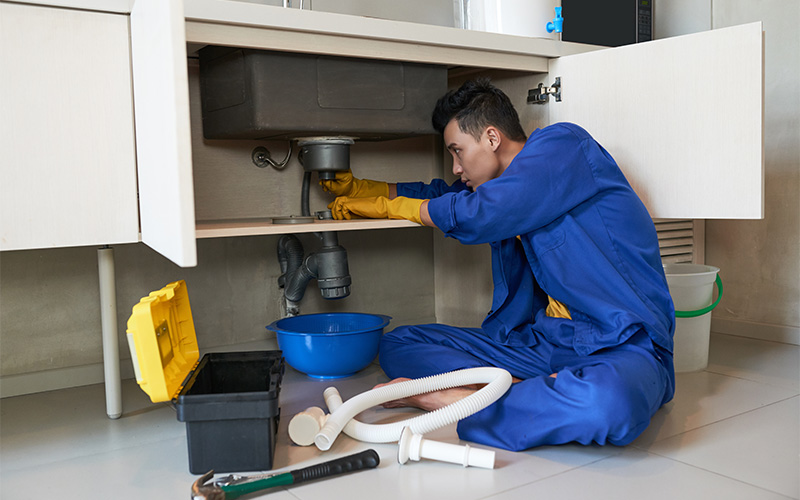
You should contact a plumber when:
- The damage affects multiple areas
- Water has seeped into walls, ceilings, or flooring
- The source of the problem is unclear
- The pipe requires replacement or complex repair
QB Plumbing provides reliable support to homeowners across Singapore, offering practical solutions for both urgent repairs and long-term system upkeep. Our plumbers in Punggol
and nearby areas have the tools and experience to identify the root cause, not just the visible damage. This helps minimise the risk of recurring problems and promotes more reliable long-term performance
Contact us to learn more about our services and rates.