Key Takeaways:
- A jammed flush button is often caused by misaligned parts, dirt build-up, a worn flush valve, dual-flush issues, or loose fittings.
- Addressing the issue early helps prevent water waste, higher utility bills, and further wear and tear on the toilet system.
- Warning signs include a stiff, uneven, or slow-resetting button, weak flushing, and a toilet that keeps running after each flush.
- Professional repair is recommended if simple checks do not resolve the issue or if internal parts appear damaged.
Introduction
A jammed toilet flush button may seem like a small household inconvenience, but it can quickly affect how your toilet works day to day. In modern dual-flush toilets, the button is connected to several internal components that must move smoothly during each flush for the toilet to work properly. When one part shifts, wears down, or becomes blocked by residue, the button may stop returning to its original position.
If you have noticed your toilet flush button is stuck, slow to reset, or uneven when pressed, it is worth addressing the issue early. A jammed button can cause continuous water flow, reduced flushing efficiency, and unnecessary water wastage. Over time, it can strain internal parts and make repairs more difficult.
Sometimes, the issue may involve the wider toilet flushing system, not just the button itself. Knowing the common causes can help you decide whether to check it yourself or call a plumber.
What Causes a Toilet Flush Button to be Stuck?
A stuck flush button is usually caused by misaligned parts, dirt build-up, or issues within the flushing system. While the button is the part you notice first, the problem often comes from inside the toilet tank. Understanding the cause helps you decide the right fix.
1. Worn or Misaligned Internal Components
One of the most common causes is misalignment inside the toilet tank. The button is connected to rods, springs, or linkages that press the flush valve system down. If these parts shift out of place, the button may not return smoothly after being pressed.
This often happens in older or frequently used toilets. In the long run, repeated pressing can loosen small parts or cause them to sit slightly off-centre. Even a minor shift can stop the button from moving freely.
You may notice that the button feels uneven, gets stuck halfway, or only works when pressed at a certain angle. These are signs that the internal parts may need to be realigned or replaced.
2. Dirt, Debris, or Mineral Build-Up
Singapore’s water supply is generally safe and well managed, but mineral deposits can still accumulate gradually within toilet components. Dust, grime, soap residue, and limescale-like deposits may collect around the button housing or internal rods.
When this happens, friction within the mechanism increases. The button may start feeling stiff, sticky, or slow to reset after each flush. In some cases, the button may work fine one day and become difficult to press the next, especially if the build-up has hardened around moving parts.
Cleaning the affected parts early can reduce friction and help the button move smoothly again. However, if the build-up has hardened deeper inside, cleaning alone may not fully resolve the issue.
3. Faulty or Worn Flush Valve
The flush valve controls the release of water from the tank into the bowl. If this valve becomes worn, damaged, or unable to close properly, it can affect the way the button responds.
A faulty valve may cause the button to remain depressed or make the toilet continue running after flushing. This can waste water without you realising it, especially if the sound of running water is faint. A worn valve may also reduce flushing power, causing the toilet to require repeated flushing.
When the issue involves the flush valve, the problem is usually not limited to the visible button. It may indicate wear in the toilet bowl flushing system, which may require closer inspection.
4. Dual Flush Mechanism Issues
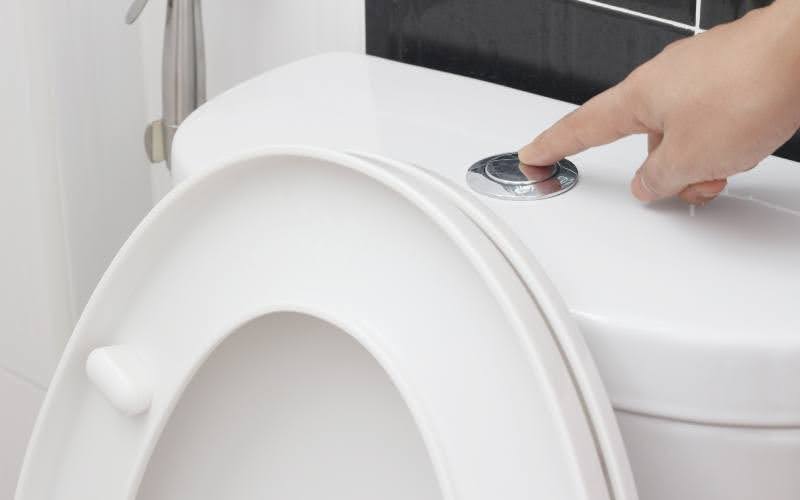
Dual-flush toilets are common in Singapore because they support water-saving habits. However, they rely on a more detailed mechanism than single-flush systems. Each button controls a different flushing function, so both sides must remain balanced.
If one side becomes jammed, loose, or pressed unevenly, the entire button assembly may stop working properly. Sometimes, one button works while the other gets stuck. In other cases, both buttons feel misaligned because the internal rods are not sitting correctly.
This is why homeowners should test both sides of the button when checking the issue. If only one side is affected, the problem may be isolated to that part of the dual-flush mechanism.
5. Incorrect Installation or Loose Fittings
When your toilet flush button is stuck, the issue may be due to poor installation or loose fittings. If the button assembly was not fitted securely, it may shift slightly each time the toilet is used. Gradually, this can cause the button to press at an awkward angle or rub against the surrounding cover.
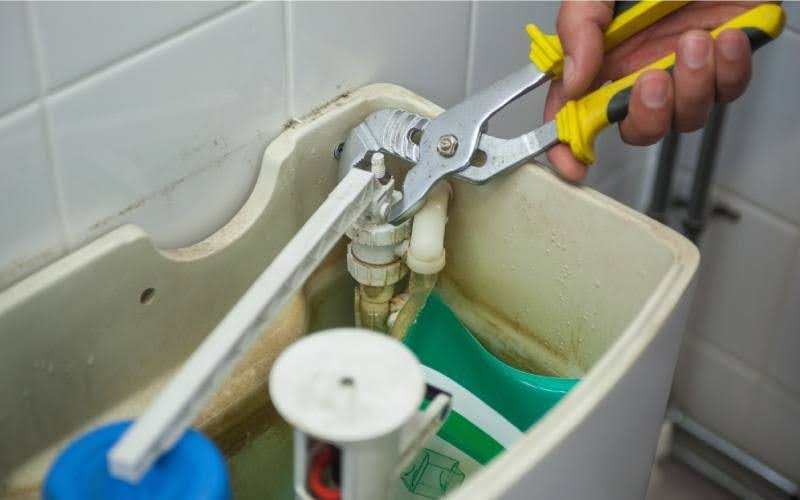
Loose fittings inside the tank can also affect alignment. For example, if a rod is too long, too short, or mispositioned, it may press too hard against the flush mechanism. This can prevent the button from springing back naturally.
In newer toilets, a stuck button may signify that the installation needs adjustment. Since the parts are less likely to be worn out, the issue may simply come from poor alignment, loose fittings, or an incorrectly positioned rod inside the tank.
What are Some Warning Signs to Look Out For?
A flush button rarely fails without warning. In many cases, there are early signs that the mechanism is beginning to wear out or lose alignment.
You may notice that the button feels stiff, loose, or uneven when pressed. It may not spring back immediately after flushing, or the flush may not activate properly every time. Some homeowners also notice inconsistent water flow, with the flush feeling weaker than usual or taking longer to complete.
Another important sign is a toilet that continues running after flushing. This may mean the button or internal valve has not reset properly. If this happens often, it should not be ignored. This is because continuous water flow can increase utility bills and unnecessarily waste water.
What Happens If You Ignore the Problem?
Leaving a stuck toilet flush button unresolved can lead to more than daily frustration. If the toilet continues to run after each flush, water may be wasted for hours without being noticed. This can contribute to higher PUB bills over time.
The internal components may also experience extra wear. When the button remains stuck or the valve fails to close properly, parts inside the tank may remain under pressure longer than intended. This can shorten the mechanism’s lifespan and increase the likelihood of additional faults.
In more serious cases, a malfunctioning system may affect water flow control inside the tank. While not every stuck button leads to an overflow, any toilet fault involving water release should be checked promptly to reduce the risk of avoidable damage.
Simple Checks You Can Do First
Before calling a plumber, you can do a few simple checks to see if the issue is minor. These steps may help you identify visible misalignment, dirt buildup, or loose parts without fully dismantling the toilet system.
1. Inspect the Flush Button
Start by checking the button from the outside. Look at whether it is tilted, physically jammed, or sitting lower than usual. If you have a dual-flush button, press each side separately to see if one is less responsive than the other. Avoid using excessive force. Pressing too hard may worsen the misalignment or damage the button housing.
2. Open the Tank Lid Carefully
If it is safe to do so, remove the toilet tank lid gently and place it on a stable surface. Some flush buttons are connected to the lid, so lift it slowly to avoid pulling or bending internal rods.
Once open, check whether any rods, chains, or connectors appear tangled, loose, or out of place. Sometimes, a simple realignment is enough to restore proper function.
3. Clean Visible Dirt or Build-Up
If you see dirt or mineral deposits around the button mechanism, wipe the affected parts gently with a cloth. Avoid using harsh chemicals unless you are sure they are suitable for toilet tank components, as some cleaners may damage rubber seals or plastic parts. Cleaning can help reduce friction and allow the button to move more freely.
4. Adjust or Tighten Loose Components
Check whether any visible fittings are loose. If a rod or connector has shifted, carefully reposition it so that it sits straight and presses the flush mechanism evenly.
Small adjustments can make a difference, but avoid dismantling parts if you are unsure how they should be reassembled. Toilets may look simple from the outside, but internal mechanisms can vary between models.
When DIY Fixes Are Not Enough
DIY checks can help when the problem is minor, but they may not solve deeper faults. You should consider getting professional help if the button remains stuck after cleaning or adjustment, if internal parts appear worn or broken, or if the toilet keeps running even after you try to reset the mechanism.
It is also wise to call a plumber if you are unsure how to safely remove or adjust the tank components. Incorrect handling can damage the flushing system, loosen seals, or create leaks.
A professional plumber can assess whether the issue is caused by the button assembly, the flush valve, the internal rods, or a broader system fault. This helps prevent unnecessary part replacements and ensures the repair is suitable for your toilet type.
Reliable Toilet Repairs with QB Plumbing
A jammed flush button is often manageable when addressed early, but persistent issues should be checked properly. What begins as a stiff button can sometimes point to worn internal parts, valve problems, or misalignment within the flushing mechanism.
QB Plumbing is a trusted plumbing company in Singapore that provides reliable repair services for toilet systems and other common plumbing issues. For homeowners experiencing repeated flush button issues, our professional support can help restore proper function while reducing the risk of water waste, recurring faults, and further internal damage.
With fast response times, modern tools, and a practical approach to repair work, we can help you resolve toilet issues with minimal disruption.
If your toilet flush button continues to get stuck despite simple checks, contact us for prompt repair before it leads to water wastage or further damage.