Key Takeaways:
- A faulty flush valve may cause the toilet to keep running, flush weakly, or require repeated flushing.
- Silent leaks can happen when water seeps into the bowl without obvious noise, so early checks are important.
- Common causes include worn seals, mineral build-up, damaged valve seats, linkage issues, and misalignment.
- A flush valve that does not seal properly can waste water, increase utility bills, and reduce flushing efficiency.
Introduction
A toilet that keeps running, flushes weakly, or needs repeated flushing may seem like a minor household inconvenience at first. However, these signs often point to an issue inside the toilet tank, especially when the flush valve is not sealing properly. When this happens, water may continue leaking into the bowl, resulting in unnecessary water wastage, higher utility bills, and weaker flushing performance.
Although the problem may begin quietly, it can gradually affect the wider toilet flushing system. As the tank continues to refill or release water inefficiently, internal components may experience added strain, making the issue more difficult or costly to fix later.
This article explains what happens when a toilet flush valve does not seal properly, the common causes, and when it may be time to seek professional help.
Why a Properly Sealed Flush Valve Matters
The flush valve, also known as the flapper, is one of the most important components in the toilet tank. Its role is to create a watertight seal between the tank and the toilet bowl when the toilet is not being flushed. When the flush button is pressed, the valve lifts to release water into the bowl, then closes again so the tank can refill.
When this seal works properly, the toilet uses the right amount of water for each flush. It also prevents water from continuously leaking into the bowl after the tank has refilled. This helps maintain efficient flushing, supports water conservation, and keeps the toilet operating as intended.
However, when it is not sealed, water can slowly leak past the valve even when the toilet is not in use. This can lead to frequent refills, weak flushes, and unnecessary water waste. Over time, it may also place stress on other parts of the flushing system, including the fill valve, flush button, and internal linkages.
Key Signs Your Flush Valve Is Not Sealing Properly
A faulty flush valve is not always obvious at first. Some signs are loud and easy to notice, while others are quiet and gradual. Paying attention to these symptoms can help you identify the problem early.
1. Toilet Keeps Running After Flushing
One of the clearest signs of a faulty flush valve is a toilet that continues running after flushing. You may hear water refilling repeatedly, or notice that the tank keeps making noise. This usually means water is leaking past the seal into the bowl.
As the tank loses water, the fill valve activates again to top it up. This cycle can continue throughout the day, wasting a significant amount of water even if the toilet is not being used.
2. Weak or Incomplete Flush
A weak flush can also indicate a problem with the flush valve. If the toilet flush feels sluggish, incomplete, or unable to clear waste properly, the tank may not be releasing enough water into the bowl.
This can happen when the valve does not open fully, closes too early, or fails to maintain the right water level in the tank. As a result, the flushing system cannot deliver the force needed for an effective flush.
3. Frequent Double Flushing
If you often need to flush twice to clear the bowl, the flush valve may not be working correctly. A properly functioning toilet should release enough water in one flush under normal use.
When the valve closes too early or does not lift fully, only part of the tank water enters the bowl. This reduces flushing power and forces the user to flush again. Apart from being inconvenient, frequent double flushing wastes water and reduces the overall efficiency of the toilet.
4. Silent Water Leak into the Bowl
Not all toilet leaks make a sound. Sometimes, water slowly seeps from the tank into the bowl without any obvious running noise. This silent leak can continue unnoticed for weeks or months.
A simple way to check is to place a few drops of food colouring into the toilet tank and wait without flushing. If the colour appears in the bowl after some time, it means water is leaking past the valve. This is a strong sign that the toilet flush is not sealing properly.
5. Unresponsive or Loose Flush Button
A loose, slack, or unresponsive flush button may also be linked to the flush valve mechanism. If the button does not trigger a proper flush, the internal actuator, cable, or linkage may be worn, disconnected, or misaligned.
This can affect how the valve opens and closes. Even if the seal itself is still intact, a poor connection between the flush button and valve can prevent the toilet from flushing efficiently.
What are the Common Causes?
Flush valve problems can develop for several reasons. Some are caused by normal wear and tear, while others result from installation issues, residue build-up, or damaged parts.
1. Worn or Warped Seal
Most flush valve seals are made from rubber or silicone. These materials can gradually harden, warp, crack, or lose flexibility. Once the seal no longer sits tightly against the valve seat, water can pass through even when the toilet is not being flushed.
2. Mineral Build-Up
Singapore’s water supply is generally safe and clean, but mineral deposits and residues can still accumulate in toilet tank components over time. Limescale, sediment, or debris may collect around the valve seat, preventing the seal from closing fully. Even a thin layer of build-up can create a small gap. That gap allows water to leak into the bowl continuously.
3. Chain or Linkage Problems
In toilets with a chain or linkage mechanism, the connection between the flush button or handle and the valve must be adjusted correctly. If the chain is too tight, the valve may not close fully. If it is too loose, the valve may not open properly during flushing. A tangled, disconnected, or worn linkage can also disrupt the opening and closing movement of the flush valve.
4. Damaged Flush Valve Seat
The flush valve seat is the surface where the seal rests when the tank is full. If this surface becomes worn, cracked, uneven, or damaged, the seal may not make full contact.
This creates gaps through which water can leak. In such cases, replacing only the seal may not solve the problem if the valve seat itself is faulty.
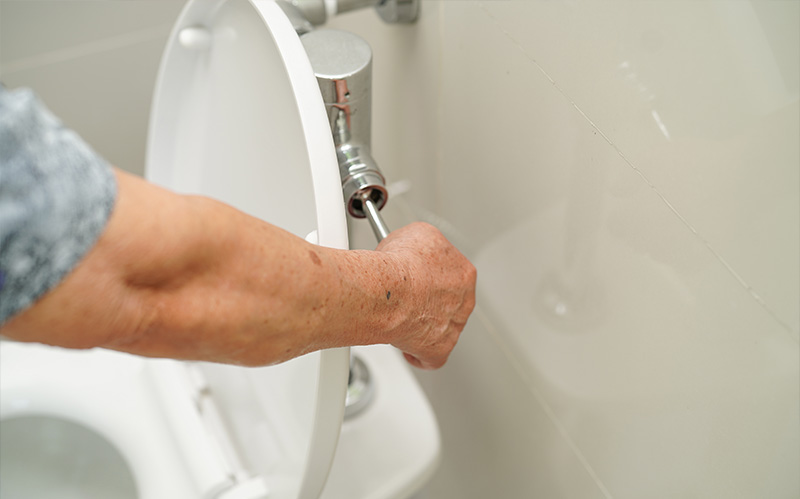
5. Incorrect Installation or Misalignment
Sometimes, the issue comes from poor installation. If the components are not aligned properly, the flush valve cannot sit flush against the base. This may occur after a DIY repair, a part replacement, or the incorrect fitting of incompatible components. A misaligned valve can cause immediate leakage or gradually worsen as the toilet is used.
Simple Fixes You Can Try First
Some minor flush valve issues can be checked before calling a HDB plumber. However, homeowners should avoid forcing parts open or dismantling unfamiliar mechanisms, especially if the toilet system is concealed or connected to newer fittings.
1. Clean the Valve and Seal
Start by turning off the water supply and checking for visible debris, residue, or mineral deposits around the valve and seal. Cleaning the area gently may help restore proper contact between the seal and valve seat. This can be effective if the leak is caused by dirt rather than worn components.
2. Adjust the Chain or Linkage
If your toilet uses a chain or linkage system, check that there is slight slack when the toilet is at rest. A chain that is too tight can hold the valve slightly open, while one that is too loose may prevent a full flush.
Small adjustments can sometimes restore proper operation.
3. Reseat or Replace the Seal
If the seal looks worn, cracked, or warped, replacing it may be the quickest and most effective solution. Make sure the replacement part is compatible with your toilet model.
Using the wrong seal size or type may cause the same problem to continue.
Basic Flush Valve Replacement
A basic flush valve replacement usually starts by turning off the water supply and flushing the toilet to empty the tank. The old valve is then removed, and a compatible replacement is fitted securely in place before the tank components are reassembled. Once installed, the toilet should be tested several times to check whether the tank refills correctly, the valve seals properly, and the flush works as expected.
Although the process may sound straightforward, it requires the right replacement part and proper alignment to prevent future problems. An incorrectly fitted valve can still cause leaks, weak flushing, or water wastage even after replacement. If you are unsure about the toilet model, internal fittings, or installation steps, it is safer to engage professional help.
When to Call a Professional
Some flush valve issues can be resolved with simple cleaning or minor adjustments, but persistent problems may point to deeper wear, misalignment, or damage within the toilet flushing system. If the issue continues after basic troubleshooting, it is best to get a plumber to inspect the toilet properly before the problem worsens.
You should seek expert help if:
- The toilet continues running even after cleaning or adjusting the flush valve
- Internal components such as the valve, seal, linkage, or flush button appear damaged
- You notice signs of water damage, dampness, or mould around the toilet area
- There is persistent leakage into the bowl or around the toilet base
- You are unsure how to safely remove, replace, or reinstall the flush valve components
Reliable Repairs with QB Plumbing
For persistent flush valve issues, professional support ensures proper diagnosis and long-term results. A faulty seal may seem minor, but it can affect flushing efficiency, water usage, and the condition of surrounding bathroom areas if left unresolved.
QB Plumbing is a trusted plumbing company in Singapore, providing reliable solutions for toilet repairs and system maintenance. If your toilet flush valve is not sealing properly, our PUB-licensed plumbers are here to assist. With advanced tools, fast response times, and a commitment to quality workmanship, we handle flush valve replacements, leak detection, and full toilet repair in Singapore.
Contact us for reliable toilet flush valve repairs.