Key Takeaways:
- Toilet overflows are commonly caused by drain blockages, vent issues, or sewer line problems.
- Early signs such as rising water levels, slow drainage, and gurgling sounds often indicate a developing blockage.
- Backflow or system-level issues may affect multiple fixtures and signal a more serious concern.
Introduction
A toilet overflow is more than a messy inconvenience. It is often a sign that something within your plumbing system is not functioning properly. Whether the issue is caused by a simple blockage or a deeper drainage problem, acting quickly can prevent water damage, hygiene concerns, and more extensive repairs.
Understanding the causes of a toilet spillover and knowing how to act quickly can help prevent further damage. This guide outlines key warning signs, common causes, and practical steps to manage the issue safely.
What are the Early Warning Signs of a Toilet Overflow?
A full overflow rarely happens without warning. In many cases, there are early indicators of a blockage or airflow issue in the plumbing system.
Common signs to look out for include:
- Water rising higher than usual after flushing
- Slow drainage or delayed clearing of water
- Gurgling sounds from the toilet or nearby drains
- Water backing up when using other fixtures such as the sink or shower
- Unusual odours coming from the toilet
These symptoms typically point to restricted water flow or pressure imbalances in the drainage system. Identifying them early allows you to take action before the situation escalates.
What are the Common Causes of a Toilet Overflow?
Identifying the root cause of an overflowing toilet is key to managing the situation correctly. While some causes are minor and can be addressed quickly, others may indicate deeper plumbing issues that require professional attention.
1. Blocked Toilet Drain
This is the most common cause. It usually occurs when excessive toilet paper or non-flushable items obstruct the drain, preventing water from flowing through properly.
2. Obstructed Plumbing Vents
Vent pipes regulate air pressure within the drainage system. When these vents are blocked by debris, airflow is disrupted, which can affect flushing performance and lead to overflow.
3. Main Sewer Line Issues
A blockage in the main sewer line can impact the entire household. Wastewater may back up through the lowest outlet, often the toilet, indicating a more serious issue that typically requires professional inspection.
4. Septic or Drainage System Backflow
Backflow happens when wastewater cannot exit the system efficiently. This may occur in properties with poorly maintained drainage systems, causing water to reverse into the toilet bowl.
Key Toilet Components That Prevent Overflow
A toilet relies on several internal components to manage water flow and prevent overflow. When these parts are working correctly, they maintain proper water levels and act as safeguards against excess water spilling out of the system.
1. Flush Valve and Overflow Pipe
The overflow pipe serves as a safety mechanism by redirecting excess water from the tank into the bowl. This prevents water from spilling out of the tank. For proper function, the overflow pipe should sit slightly below the tank opening. This ensures excess water is safely diverted before it reaches the rim.
2. Fill Valve
The fill valve controls how the tank refills after each flush. Its positioning is critical in maintaining the correct water level. The critical level mark should be positioned above the overflow pipe. This prevents backflow and ensures the system operates safely.
What to Do Immediately When a Toilet Overflows
When there is a toilet spillover, taking immediate action helps minimise damage and prevents the situation from worsening.
1. Stop Flushing
Avoid flushing again. Additional flushing will introduce more water into an already blocked system, increasing the risk of overflow.
2. Turn Off the Water Supply
Locate the shut-off valve near the base of the toilet and turn it clockwise to stop water flow. This is the fastest way to prevent further flooding.
3. Control the Tank Mechanism
If water continues to rise, remove the tank lid and hold the float up. This stops the tank from refilling.
4. Shut Off the Main Water Supply
If the shut-off valve fails or the situation escalates, turning off the main water supply may be necessary to prevent further damage.
5. Avoid Chemical Drain Cleaners
Chemical cleaners can damage pipes and fixtures. In some cases, they may worsen blockages rather than resolve them.
Basic Solutions You Can Try
Before contacting a professional, it is worth trying a few basic solutions for minor issues. These steps can help clear simple blockages and determine whether the problem is manageable or requires further attention.
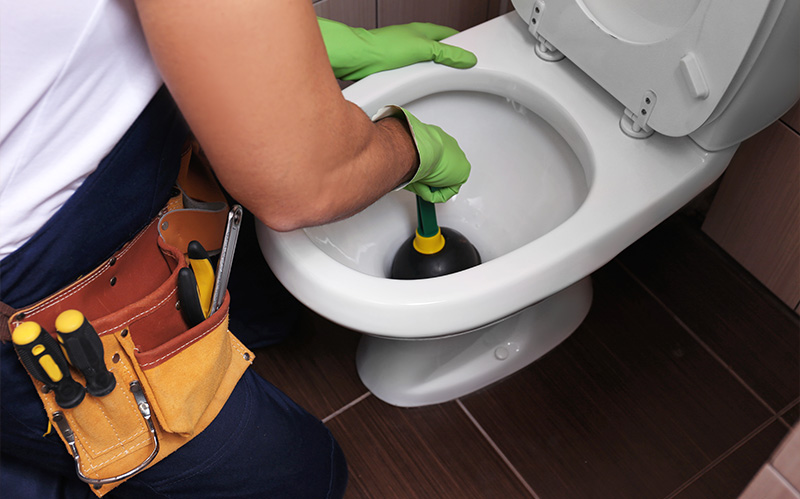
- Use a plunger to dislodge simple clogs
- Remove excess water from the bowl before attempting repairs
- Use a drain auger for deeper blockages
- Test the flush after clearing the obstruction
If the issue persists after these attempts, it may indicate a deeper problem that requires professional toilet repair services in Singapore.
When to Call a Professional Plumber
While some blockages can be resolved with basic tools, certain situations require professional intervention. Recurring overflows or issues affecting multiple fixtures in the home often indicate a deeper plumbing problem. You should consider contacting an HDB plumber or a qualified specialist if you suspect a sewer line or ventilation issue, or if basic solutions do not rectify it.
Managing a Toilet Overflow with Confidence
Plumbing systems in Singapore homes are interconnected, which means a single issue can affect multiple areas. Attempting to resolve complex problems without the right tools or experience may lead to further complications.
For persistent or complex overflow issues, working with a qualified professional provides both immediate relief and long-term solutions. Professional plumbers’ work involves diagnosing the underlying cause, whether it is a blockage, pipe issue, or system imbalance.
QB Plumbing is a trusted provider in Singapore, offering services for residential and commercial properties. With PUB-licensed expertise and a structured approach to diagnostics, we are equipped to handle everything from minor blockages to more extensive plumbing concerns.
Reach out to us for reliable overflow solutions that meet local plumbing standards.