Key Takeaways:
- Flapper flush valves are common in traditional toilets, but the rubber flap may wear out over time, leading to running water or repeated refills.
- Canister flush valves are often used in newer toilet systems and may provide a strong flush, but they usually require the correct compatible replacement part.
- Dual-flush valves offer two flushing options for better water efficiency, but issues may involve the valve, buttons, seal, or internal adjustment.
- Pressure-assisted flush valves use pressurised water for stronger flushing, but repairs can be more technical and are best checked by a professional plumber.
Introduction
A toilet flush valve is one of the key parts that controls how your toilet flushes. It sits inside the tank and releases water into the toilet bowl when you press the flush button or handle. When it works properly, the flush is strong, smooth, and stops once the tank refills.
When the flush valve fails, you may notice weak flushing, continuous running water, frequent tank refilling, or water leaking silently from the tank into the bowl. While some minor adjustments may seem simple, choosing the wrong valve type or installing it incorrectly can lead to repeated toilet problems. This is why professional plumber support is often helpful, especially when the toilet has recurring flush issues.
Understanding the types of toilet flush valves can also help you explain the issue more clearly when arranging a toilet repair. The right solution depends on the toilet design, the cause of the fault, and the condition of related tank components.
What Is a Toilet Flush Valve?
A toilet tank usually has two main valve systems. The fill valve controls water entering the tank, while the flush valve controls water leaving the tank during a flush. Both parts need to work properly for the toilet to flush cleanly and refill correctly.
When you activate the flush, the flush valve opens, allowing water to flow quickly from the tank into the bowl. This sudden water movement creates the flushing action. Once the flush is complete, the valve closes again to allow the tank to refill.
If the flush valve does not seal properly, water may continue leaking into the bowl. This can cause the fill valve to switch on repeatedly, even when the toilet has not been used. Over time, this may lead to water wastage, irritating refill sounds, and a toilet that never seems fully settled after flushing.
What are the Common Types of Toilet Flush Valves?
There are several types found in homes, offices and commercial properties in Singapore. Some are simple and widely available, while others are more model-specific or technical to replace.
1. Flapper Flush Valve
A flapper flush valve is commonly found in traditional toilets. It uses a rubber flap that lifts when the toilet handle is pressed, allowing water to rush from the tank into the bowl.
This type is simple, affordable and widely available. However, the rubber flapper can wear out, harden or lose its seal over time. When this happens, the toilet may keep running or refill on its own even after no one has used it.
In some cases, the flapper alone may need to be replaced. In others, the problem may involve the flush valve seat, chain, handle or internal tank parts. A professional plumber can determine whether the flapper is the main issue or if another part of the toilet’s flushing system is contributing to the problem.
2. Canister Flush Valve
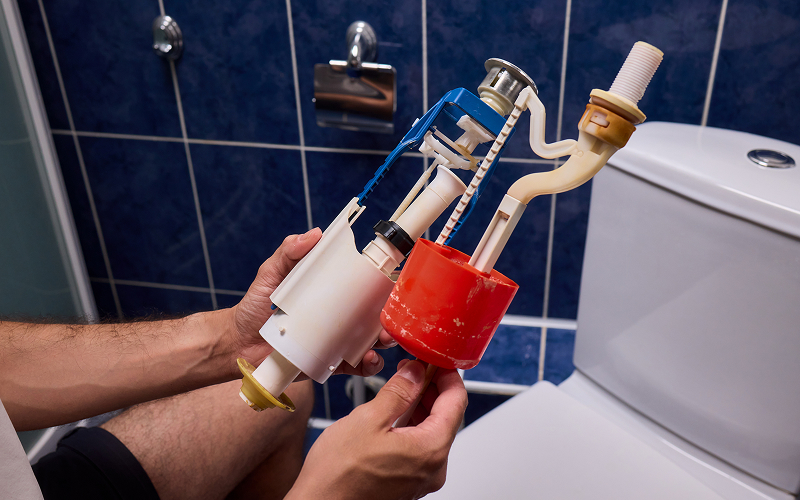
A canister flush valve is often used in newer toilet systems. Instead of a rubber flap, it uses a vertical canister that lifts when the flush is activated. This allows water to flow into the bowl from more directions.
Because of this design, a canister flush valve can provide a strong and consistent flush. It is also generally more durable than a basic flapper system. However, canister valves may be model-specific, so replacement requires the correct compatible part.
If the wrong canister valve is installed, the toilet may flush poorly, leak or fail to seal properly. A plumber can help identify the right valve and install it correctly, reducing the risk of recurring issues after the repair.
3. Dual Flush Valve
A dual-flush valve offers users two flushing options, typically a lower-volume flush for liquid waste and a full flush for solid waste. This system is designed to support better water efficiency and is common in many modern bathrooms.
Dual flush systems are useful, but they can be more complex than standard handle-operated toilets. If the buttons feel loose, one flush mode stops working, or water continues to run, the issue may involve the valve, button mechanism, seal, or internal adjustment.
Because dual-flush parts need to align properly, guesswork can cause more problems. A plumber can assess whether the valve can be adjusted or needs to be replaced.
4. Pressure-Assisted Flush Valve
Some toilets use pressure-assisted flushing to create a stronger flush. Instead of relying solely on gravity, the system uses pressurised water to increase the flushing force.
These systems may be found in commercial or high-use settings where stronger flushing performance is needed. However, repairs can be more technical than standard tank systems. If the flush is noisy, weak or inconsistent, professional inspection is recommended.
Among the different toilet flush valve types, pressure-assisted systems are usually less suitable for trial-and-error repair because the internal setup may be less familiar to many property users.
What are the Common Toilet Flush Valve Problems?
Flush valve problems can show up in different ways. Some are obvious, such as constant running water. Others are quieter and may only become noticeable through repeated refilling sounds or poor flushing performance.
1. Toilet Keeps Running
A continuously running toilet often points to a poor seal inside the tank. The flush valve may not be closing properly, allowing water to pass into the bowl. This can waste water and increase utility bills if left unresolved.
Sometimes, the issue comes from a worn seal or misaligned flapper. In other cases, the water level, chain length or tank mechanism may also need adjustment.
2. Weak or Incomplete Flush
If the toilet does not clear properly, the flush valve may not be opening fully. The issue may also involve the chain, handle, button, water level or partial blockage.
A weak flush does not always mean the entire toilet bowl needs replacement. A plumber can identify whether the flush valve is the main cause or whether another part of the toilet is affecting the flush.
3. Frequent Tank Refilling
If you hear the toilet tank refilling even when nobody has used it, water may be leaking slowly through the flush valve seal. This is sometimes called a phantom flush because the toilet appears to have flushed on its own.
This problem can be easy to ignore at first, especially if it happens only occasionally. However, repeated refilling usually means something inside the tank is not sealing properly.
4. Water Leaking Between Tank and Bowl
A worn gasket, damaged flush valve base, or poor installation may allow water to escape where the tank meets the bowl. This type of issue should be checked carefully to avoid water damage around the toilet area.
For close-coupled toilets, repair may involve draining and removing the tank before replacing the affected parts. This is one reason professional support is often useful.
5. Noisy Flushing or Refilling
Noise may be linked to water pressure, valve wear, internal vibration or faulty components. If the sound continues after basic checks, a plumber can inspect both the flush valve and fill valve system.
Noise should not be treated as only an annoyance. It may indicate wear, poor adjustment, or a part that is no longer working smoothly.
Signs You May Need a Flush Valve Replacement
A flush valve may need replacement when the toilet continues to show flushing problems even after basic adjustments. If the valve is worn, damaged, or no longer seals properly, it can affect water usage, flushing strength, and overall toilet performance.
The most common signs include water running after every flush, a weak or incomplete flush, repeated tank refilling and silent internal leaks from the tank into the bowl. These issues may seem minor at first, but they can become frustrating when they happen repeatedly.
Replacement may also be needed if the valve assembly is cracked, the seal no longer sits properly, or the toilet model requires a compatible part that cannot be repaired through adjustment alone. Since different toilet flush valve types require different replacement parts, identifying the valve correctly is an important first step.
Why Professional Plumber Support Matters
Understanding toilet flush valve types gives you a clearer idea of what may be happening inside the tank, but the right fix still depends on the toilet’s actual condition. A careful inspection helps ensure that the repair addresses the source of the problem rather than only the visible symptom.
Replacing a flush valve can involve more than removing one part from the tank. In many toilets, the tank may need to be drained, disconnected, removed from the bowl, fitted with a compatible valve, reassembled and tested for leaks.
A professional plumber can identify the valve type, confirm part compatibility, inspect related components, and ensure the toilet flushes properly after repair. This helps reduce the risk of wrong installation, poor sealing, repeated leaks, or damage to the tank.
If your toilet keeps running, flushes weakly, refills on its own, or shows signs of a flush valve failure, the issue should be addressed before it becomes a recurring plumbing problem.
QB Plumbing provides professional plumbing services for homes, offices and industrial facilities across Singapore. Our team handles both urgent plumbing repair and routine plumbing maintenance. For toilet repair in Singapore, we can inspect the toilet, identify the likely valve type, and carry out the necessary repairs or replacements after a proper assessment.
Our PUB-licensed plumbers in Singapore also provide related plumbing services, including toilet bowl repair, replacement, leak repair, drainage work, and plumbing maintenance. Whether the issue involves a simple worn seal or a more complex flush valve system, professional assessment can help restore proper flushing and reduce repeated toilet problems.
Contact us and let our team handle your toilet repair needs.