Key Takeaways:
- A hissing water heater after a shower may be due to condensation from heavy hot-water use, especially when the heater refills with colder water and moisture contacts hot components.
- Hissing that continues when no hot water is used, happens with visible leaks, or comes with popping and rumbling sounds may point to a leak, sediment build-up, or a pressure issue.
- A plumber should inspect the unit if the relief valve keeps dripping or releasing steam, the water feels unusually hot, or the hissing sound becomes persistent.
Introduction
The issue of water heaters hissing after a shower can be unsettling, especially when the sound is new, louder than usual, or keeps happening after every use. Some homeowners may hear a short hissing or sizzling sound after a long hot shower and wonder if the heater is about to fail. Others may notice the noise together with dampness, dripping water, or changes in hot water temperature.
Not every hissing sound means the water heater is unsafe. In some cases, it may result from condensation after heavy use of hot water. In other cases, it can indicate a small leak, sediment buildup, overheating, or a pressure-related issue that requires professional inspection.
The key is to observe when the sound occurs, how long it lasts, and whether it is accompanied by other warning signs. A brief sound after heavy use may be less worrying than hissing that continues throughout the day. However, if there is water around the heater, unusual rumbling, leaking valves, or inconsistent hot water, it is safer to engage a plumbing contractor in Singapore to inspect it.
Why Water Heaters May Hiss After a Shower
A water heater hissing after a shower may be caused by several issues, depending on the type of heater, how often hot water is used, and the unit’s condition. Some causes are relatively minor, while others should be checked quickly to prevent water damage or safety concerns.
1. Condensation After Heavy Hot Water Use
Condensation is one of the more common reasons a water heater may hiss shortly after a long shower. When a large amount of hot water is used, the heater refills with colder water. This sudden change in temperature can cause moisture to form on the tank surface or on nearby heated components.
When that moisture touches hot areas, it may create a brief hissing or sizzling sound. This is more likely after long showers, back-to-back showers, or when several hot water fixtures are used close together.
If the noise stops after a short while and there is no visible leak, puddle, or other sign of damage, condensation may be the cause. Still, homeowners should continue to monitor the unit, especially if the sound becomes more frequent or louder over time.
2. Small Leak From the Water Heater Tank
If the hissing sound happens even when no one has used hot water recently, a leak may be involved. Water leaking from the tank, pipe connection, valve, or fitting can drip onto hot parts of the heater and create a hissing or sizzling noise.
This should not be ignored. A small leak can gradually worsen and may lead to water damage around the heater, especially in compact Singapore homes where water heaters are often installed in bathrooms, service yards, or other enclosed areas.
Look for signs such as damp patches, water trickling down the tank, corrosion around fittings, or puddles below the unit. If any of these are present, avoid dismantling the heater yourself and arrange for professional inspection.
3. Sediment Build-Up Inside the Tank
For storage water heaters, minerals in the water can settle at the bottom of the tank over time. As sediment builds up, water may become trapped beneath the sediment layer. When the heater warms the water, the trapped water can turn into steam, creating hissing, popping, or rumbling sounds.
The water heater hissing issue is therefore more than just surface noise if it is accompanied by popping or rumbling from inside the tank. Sediment build-up can affect heating performance, make the unit work harder, and place strain on internal components.
Depending on the condition of the heater, a plumber may recommend flushing the tank or assessing whether replacement is more suitable. For homeowners planning a new unit or replacement, professional water heater installation services can help ensure the heater is correctly sized, securely mounted, and properly connected to the existing water and electrical points.
A plumber can also check whether the surrounding pipes, valves, fittings, and drainage points are suitable for the new unit. This helps reduce the risk of leaks, poor water flow, pressure issues, or repeated faults after installation.
4. Temperature Set Too High
A hissing sound may also be linked to water temperature. If the temperature is set too high, the pressure inside the tank can rise. The temperature and pressure relief valve may then release water or steam to reduce excess pressure.
This valve is a safety feature, so repeated hissing, dripping, or steam release should be taken seriously. It may suggest that the heater is operating at an unsuitable temperature, the thermostat is not functioning correctly, or pressure is building up in the system.
Homeowners should not try to block, seal, or tamper with the relief valve. If the water feels unusually hot or the valve keeps releasing water, a plumber should inspect the heater, valve, and related controls.
5. Pressure Relief Valve Problems
The pressure relief valve protects the water heater from excessive pressure. Occasional release may happen when pressure rises, but constant hissing, leaking, or dripping from the valve may indicate a problem.
The valve itself may be faulty, or the system pressure may need to be checked. Either way, this is not a part that homeowners should ignore. A faulty pressure relief valve can compromise the heater’s safe operation and may require repair or replacement.
A plumber can check whether the valve is working properly, whether the pressure is appropriate, and whether other plumbing components are contributing to the issue. This is especially important if the hissing sound continues even after the heater is no longer actively heating water.
Is a Hissing Water Heater Dangerous?
The issue is not always dangerous. If the sound occurs only after heavy use of hot water and stops shortly after the tank refills, condensation may be the cause. In that situation, there may be no immediate cause for alarm, provided there are no leaks or other unusual signs.
However, hissing caused by a leak, overheating, excess pressure, sediment build-up, or a faulty relief valve should be treated more seriously. These problems may lead to water damage, reduced heating performance, or safety concerns if left unresolved.
The safest approach is to look at the full situation rather than the sound alone. A short, occasional hiss is different from persistent hissing with dripping water, rumbling, steam, or unusually hot water. When in doubt, it is better to have the heater inspected before the issue becomes more disruptive.
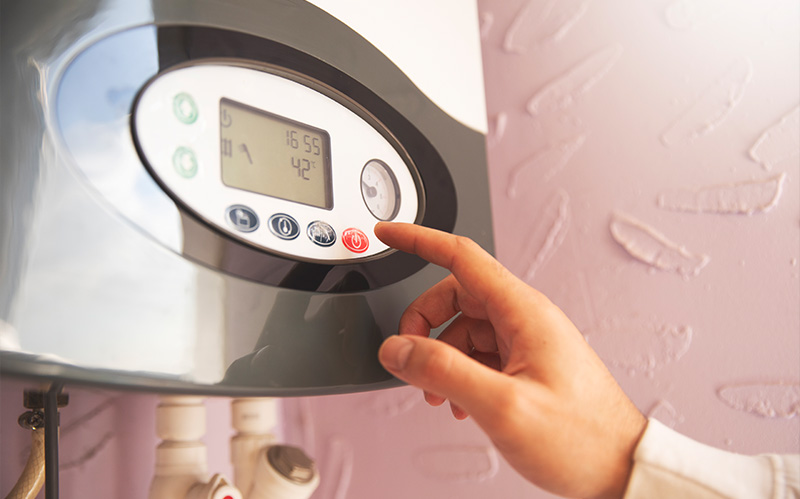
What are the Warning Signs You Should Not Ignore?
Some signs suggest that the hissing sound may need prompt attention. Pay close attention to these warning signs if they appear together or become more frequent.
1. Hissing Continues Even When No Hot Water Was Used
If the sound happens at random times or continues long after a shower, it may not be simple condensation. A leak, pressure issue, or valve problem may be present.
2. Water Around the Heater
Puddles, damp patches, or visible dripping should be checked quickly. Water around the heater may point to a tank leak, a pipe leak, a loose fitting, or a faulty valve.
3. Popping or Rumbling Sounds
Hissing, along with popping or rumbling, may suggest sediment in a storage tank. This can affect heating performance and may place added strain on the heater.
4. Hot Water Temperature Feels Too High
If the water feels unusually hot or if the temperature keeps changing unexpectedly, the thermostat, heating element, or pressure relief valve may need inspection.
5. Relief Valve Keeps Dripping or Releasing Steam
A pressure relief valve that keeps dripping, hissing, or releasing steam may indicate excess pressure, overheating, or valve failure. As this is a safety-related component, it should be checked by a plumber.
What Homeowners Should Do First
If you hear hissing after a shower, start by observing the pattern. Notice whether the sound begins only after heavy hot water use, whether it stops after a short while, and whether it returns later in the day.
Next, check the area around the heater without touching the hot parts of the unit. Look for visible water, dampness, dripping, rust stains, or signs of leaking around pipe connections and valves. Also, pay attention to hot water performance. If the water temperature feels unstable or too hot, do not ignore it.
Avoid dismantling the heater, opening valves unnecessarily, or trying to repair electrical or plumbing components yourself. Water heaters involve heat, water pressure, and electrical connections, so improper handling may create further risks. If the water heater hisses after a shower and the issue is persistent or accompanied by visible warning signs, arrange for a professional inspection.
When to Call a Professional Plumber
A hissing water heater after a shower may seem like a small issue at first, but the cause matters. If the sound is brief and linked to heavy use of hot water, it may simply be condensation. If it is persistent, loud, or accompanied by leaking water, steam, rumbling, or unstable temperature, it is best to have it checked promptly.
You should call a plumber if the hissing continues beyond normal use, water appears around the heater, the pressure relief valve keeps releasing water or steam, or the unit makes popping and rumbling sounds. Professional help is also recommended if the water temperature seems unsafe, the heater is old, or you are unsure whether the sound is normal.
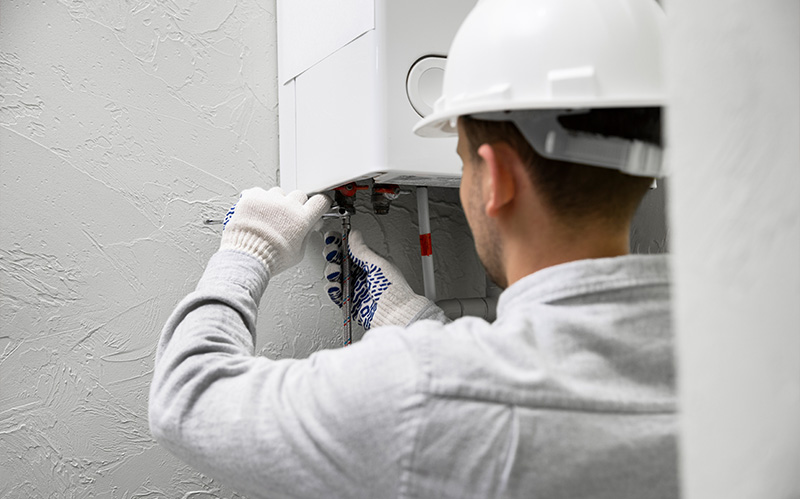
A plumber can inspect the tank, pipe connections, valves, pressure settings, and the heater’s internal condition. Depending on the cause, the recommended work may include flushing a storage tank, replacing a valve, repairing a pipe connection, checking pressure issues, or replacing the water heater if repair is no longer practical.
QB Plumbing provides plumbing works for homes, offices, shops, and industrial spaces across Singapore. Backed by PUB-licensed expertise, our team handles urgent repairs and routine maintenance, including pipe leaks, clogged drains, faulty taps, toilet issues, water heater connections, and plumbing fixture replacements.
For homeowners dealing with heater noises, leaks, or water flow issues, we can assess the source of the issue before recommending the right repair or replacement. Our experts use appropriate plumbing equipment to inspect and diagnose problems efficiently, helping reduce unnecessary hacking, delays, and recurring issues where possible.
If the problem requires more detailed repair or replacement planning, contact us for practical repair and maintenance support.