Key Takeaways:
- To unclog a sink, start with simple household methods like hot water, dish soap, or baking soda and vinegar for minor clogs.
- Use tools such as a plunger or drain snake to remove deeper and more stubborn blockages.
- Always flush and test the drain after clearing to ensure smooth water flow and prevent recurrence.
- Seek professional help if clogs persist, recur frequently, or indicate deeper plumbing issues.
Introduction
A clogged sink is one of the most common household issues in Singapore, affecting kitchens, bathrooms, and laundry areas alike. What often begins as slow drainage can quickly develop into standing water, unpleasant odours, or even pipe damage if left unresolved.
To properly unclog a sink, it is important to understand both the cause of the blockage and the correct method to address it. A structured, step-by-step approach helps restore proper drainage while reducing the risk of damaging your plumbing system.
What Causes Sink Clogs?
Before attempting any fix, identifying the likely cause of the blockage can save time and prevent unnecessary trial-and-error. Different areas of the home tend to experience different types of clogs.
1. Kitchen Sinks
Kitchen sinks are especially prone to grease and oil buildup. When hot oil is poured down the drain, it may seem harmless at first. However, as it cools, it solidifies along the pipe walls and traps food particles, gradually forming a blockage.
2. Bathroom Sinks
Bathroom sinks often become clogged due to hair and soap residue. Hair strands bind together with soap scum, forming dense clumps that restrict water flow over time. This type of clog is usually closer to the drain opening but can become compacted if left untreated.
3. General Buildup
In many homes, dirt, grime, and residue accumulate slowly within pipes. This gradual buildup reduces the pipe’s internal diameter, leading to slow drainage and eventual blockage.
4. Foreign Objects
Small items such as jewellery, cotton buds, or packaging fragments may accidentally fall into the drain. These objects are likely to become lodged within the pipe and trap additional debris, creating a more complex blockage.
Signs Your Sink Needs Immediate Attention
Recognising early warning signs allows homeowners to act before the problem escalates into a more serious issue. Common indicators include slow-draining water, where the sink empties more slowly than usual. Gurgling sounds from the pipes often indicate trapped air due to partial blockages.
Meanwhile, unpleasant odours often suggest organic matter breaking down within the drain. In more severe cases, water may begin backing up into the sink, signalling that the blockage has worsened. Addressing these signs early makes it much easier to unclog sink systems without requiring extensive repair work.
How to Unclog a Sink
1. Start with Simple Household Methods
For minor clogs, basic techniques are often effective and can be carried out safely without specialised tools. These simple methods are a good first step before moving on to more advanced solutions.
Pouring hot water down the drain helps dissolve grease and loosen minor buildup. This method works best for kitchen sinks where oil and residue are the primary cause. For better results, add dish soap before flushing with hot water. The soap emulsifies the oil, allowing it to move through the pipes more easily.
A mixture of baking soda and vinegar can create a mild chemical reaction that helps dislodge light clogs. After pouring both into the drain, allow the mixture to sit for a few minutes, then flush with hot water. While these methods are useful, they are only effective for early-stage blockages.
2. Use Basic Tools for Stronger Clogs
When simple methods are not sufficient, mechanical tools can be used to remove more stubborn blockages. They are designed to reach deeper into the pipes and break up clogs that basic methods cannot clear.
A plunger creates pressure within the pipe to loosen clogs. Ensure there is enough water in the sink to cover the plunger head, allowing proper suction to form. Repeated plunging can help dislodge debris and restore flow.
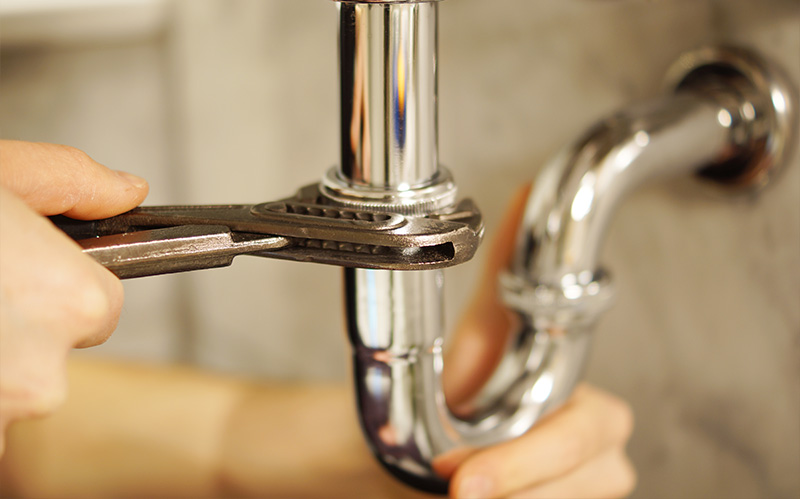
Most blockages occur in the curved section of the pipe, known as the P-trap or U-bend, which is designed to hold water and prevent sewer gas from entering your home.
To break apart or retrieve blockages, try inserting a drain snake into the pipe. This tool is particularly effective for hair clogs, compacted debris, or objects stuck deeper within the system.
Using these tools carefully allows homeowners to tackle more persistent issues without causing damage. However, excessive force or improper handling may affect pipe connections, so proceed with caution.
3. Flush and Test the Drain
After clearing the blockage, run water through the sink to check whether drainage has improved. Observe if the water flows smoothly without pooling or backing up, as this indicates the clog has been effectively removed.
If drainage is still slow, repeat the clearing process to remove any remaining debris. Testing the system thoroughly ensures the issue has been fully resolved, reducing the likelihood of the clog returning shortly after.
When DIY Methods Are Not Enough
While many clogs can be managed with DIY efforts, some situations require professional intervention. Ignoring deeper issues often leads to recurring blockages or long-term pipe damage. You should consider contacting a professional plumber if the clog keeps returning despite repeated attempts to clear it.
Persistent backups across multiple fixtures may indicate a larger drainage problem within the property. Additionally, unusual sounds or odours also signal deeper pipe issues that are not visible from the surface. In urgent situations where water continues to back up or overflow, contacting a 24-hour plumber in Singapore can help resolve the issue quickly and prevent further damage.
For older fixtures or recurring issues, homeowners should evaluate their fittings. In some cases, a sink tap replacement is necessary to improve water flow and support overall plumbing efficiency.
Professional Support for Long-Term Solutions
Knowing how to properly unclog sink systems is an essential skill for homeowners. By understanding the causes of clogs, recognising early warning signs, and applying the right methods step by step, many common drainage issues can be resolved effectively at home.
However, for persistent or complex sink blockages, professional intervention offers a more dependable solution. QB Plumbing provides comprehensive plumbing services in SG, covering everything from minor clogs to more advanced drainage issues. As a PUB-licensed company, we use specialised equipment such as drain augers and inspection tools to identify and resolve underlying problems effectively.
If your sink continues to experience drainage problems despite repeated attempts, contact us for reliable support.