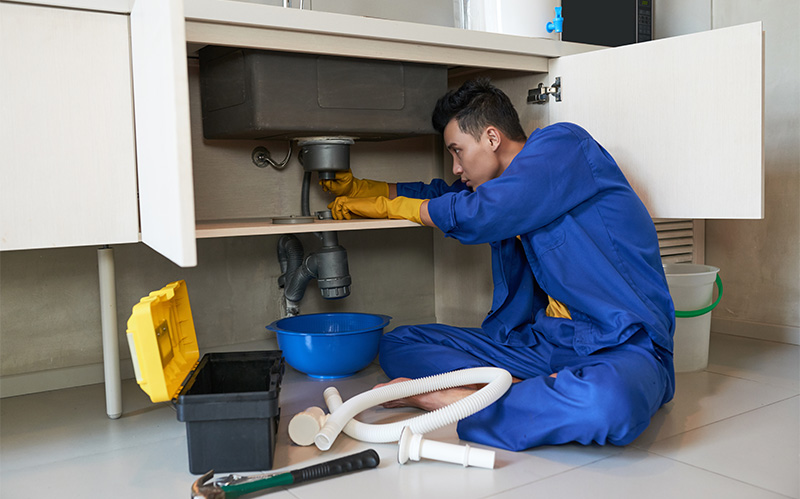
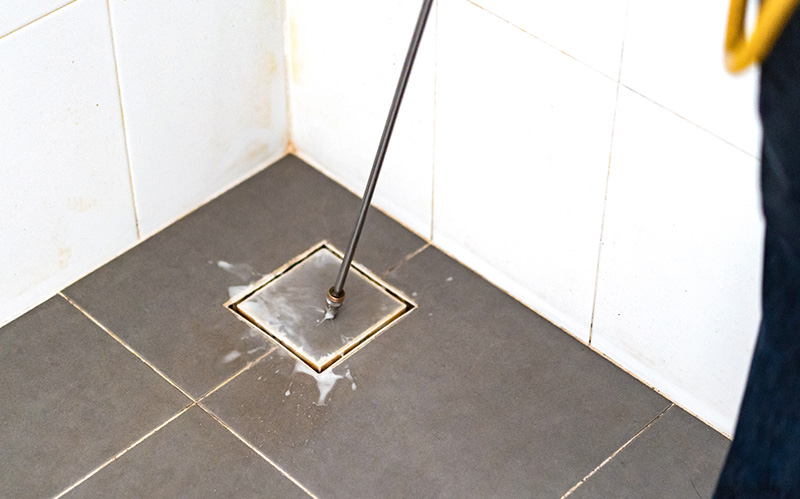
The kitchen is the heart of a home where delicious meals are crafted, families gather, and special moments are shared. However, one common problem homeowners in Singapore encounter is kitchen floor trap chokes, which can lead to unpleasant odours, slow drainage, and even potential flooding. Fortunately, understanding the causes of these chokes can help prevent them and keep your kitchen running smoothly. In this article, we explore the top causes of kitchen floor trap chokes and share practical tips from QB Plumbing, a trusted team of plumbing contractors, to manage them effectively.
Food Debris

One of the most prevalent causes of blockages in the kitchen floor trap is food debris. In the hustle and bustle of meal preparation and cleanup, it’s easy to let small food particles slip into the sink or floor trap. Over time, these remnants accumulate in the floor trap and can become lodged in the plumbing, creating blockages that impede the flow of water.
To mitigate this issue, regularly sweep your kitchen floor and use a dustpan to collect any stray food items. Be mindful when cleaning countertops and floors, ensuring that food particles are properly disposed of. Additionally, installing a drain strainer can aid in catching larger pieces of food that might otherwise go down the drain.
Grease Buildup
Do you enjoy experimenting with different cooking styles, whether it’s frying, roasting, or sauteing? If so, the pesky issue of grease buildup in your kitchen drains is something to watch out for. Oils and fats from cooking may initially flow down the drain, but as they cool, they solidify and adhere to the walls of the pipes and trap. Over time, this accumulation narrows the pipes, restricting water flow and eventually leading to serious blockages in your kitchen floor trap.
Addressing kitchen drain blockages starts with proper disposal of cooking fats. Instead of pouring grease down the sink, allow it to cool and dispose of it in a container that can be thrown away with your regular rubbish. Regular drain cleaning services by professional plumbers are also beneficial to effectively dissolve grease and prevent issues that lead to chokes.
Foreign Objects

Foreign objects are a less frequent but equally troublesome cause of kitchen plumbing obstructions. Items such as small kitchen utensils, toys, or even bits of packaging can accidentally fall into the floor trap. These foreign objects end up causing blockages, disrupting the flow of water and leading to overflows or unpleasant backups.
Ensure that only water and food waste are disposed of in the sink, and educate family members, especially young children, about the need to keep non-food items away. If a foreign object does become lodged in the trap, seeking professional assistance may be necessary to remove it safely and avoid damaging your plumbing.
The joy of cooking and sharing meals shouldn’t be disrupted by the frustration of dealing with plumbing issues. So stay vigilant with these simple yet effective maintenance tips, and look forward to a more pleasant and hassle-free kitchen experience.
Seeking the help of an emergency plumber or requiring regular drain cleaning? QB Plumbing is here to help with all your plumbing needs, providing reliable 24-hour plumber services to ensure your home runs smoothly. Contact us to find out more.