Water tanks play a vital role in our daily lives, serving as crucial reservoirs for homes, businesses, and communities alike. They ensure a dependable supply of water for a myriad of needs. But despite their essential role, the benefits of maintaining these tanks are often overlooked. In this article, we share more on the importance of regular water tank cleaning and why regular upkeep should be a priority for every property owner. Keep reading to learn more.
Ensures Water Quality
Maintaining water quality is paramount for the health and safety of all water users. Over time, sediment, bacteria, and various contaminants can accumulate within the tanks, particularly in instances where routine cleaning and maintenance are neglected. This buildup of sediment can noticeably impact water clarity and taste, leading to foul odours, discolouration, and even potential health hazards. By adhering to a scheduled water tank cleaning routine, including periodic inspections and cleaning procedures, water quality can be safeguarded, ensuring the health and safety of those who depend on it.
Prevents Health Risks
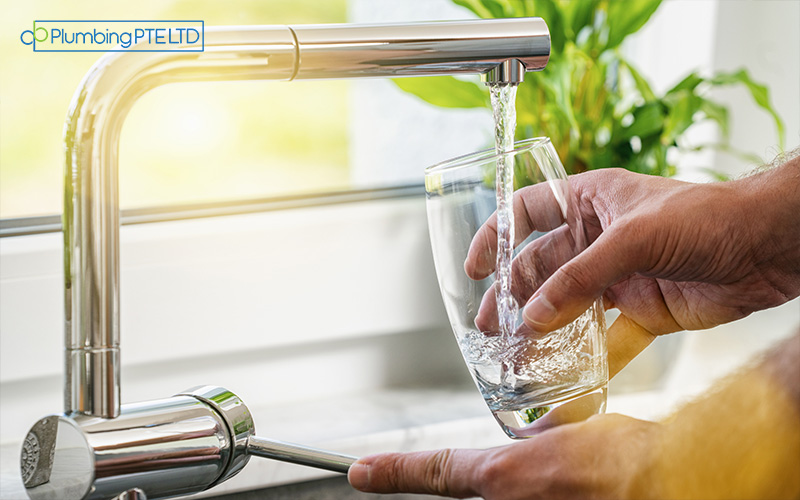
Health risks associated with contaminated water are one of the primary reasons for regular water tank cleaning. Without proper precautions, stagnant water can become a breeding ground for bacteria, posing serious health hazards. Contaminants such as dirt, mould, and silt can accumulate, making the water unsafe not only for consumption but also for daily use. This can lead to illnesses such as diarrhoea, cholera, typhoid, and lead poisoning.
Furthermore, sediments and rust in the tank can introduce heavy metals and other harmful substances into the water supply, potentially causing gastrointestinal issues and other health problems. Engaging a plumbing company to conduct cleaning and disinfection can significantly reduce these health risks, ensuring the water remains safe for drinking and other uses.
Enhances Water Filtration
Many of us have filtration systems installed in our homes and offices for cleaner and better-tasting water. However, did you know that these systems can only do so much if the water in your tank is already heavily contaminated? When a tank is dirty, it can overwhelm or clog your filters quickly. This not only reduces the efficiency of the filtration system but also means that some contaminants may still get through, compromising the quality and taste of the water you use every day.
Extends the Lifespan of Your Water Tank
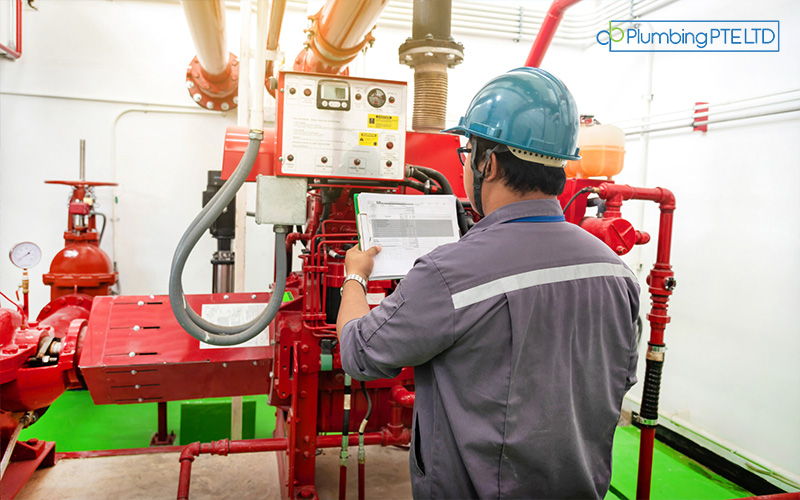
Like any other equipment, water tanks require regular upkeep to prolong their longevity and maintain optimal functionality. Sediment buildup, corrosion, and neglect can lead to structural damage and premature wear and tear on the tank. To mitigate these issues, it’s essential to perform proper cleaning, inspect for cracks and water leak detection, and apply protective coatings to help prevent corrosion and extend the water tank’s lifespan. Addressing minor problems early on can support you in avoiding costly repairs or the need for premature replacement of the tank, enabling continued reliability and efficiency for years to come.
Investing in tank cleaning means enjoying peace of mind and avoiding potential health risks and costly repairs in the future. Don’t wait for problems to arise—schedule your maintenance and experience the confidence that comes with knowing your water supply is in good hands.
At QB Plumbing, our expert team in Singapore is dedicated to providing top-notch service to keep your water clean and your tank in optimal condition. Contact us now and take the first step towards healthier living and better water for all today.