Key Takeaways:
- Low water pressure is usually caused by internal plumbing issues, usage patterns, or external supply conditions.
- Common internal causes include clogged fixtures, pipe buildup, leaks, and faulty pressure regulators.
- Usage-related pressure drops are often temporary and occur during high or simultaneous water demand.
- External factors such as supply disruptions or building height can also affect water flow.
- Identifying whether the issue is isolated or whole-house helps narrow down the root cause quickly.
Introduction
Low water pressure is one of the most common household plumbing issues in Singapore, affecting daily routines such as showering, dishwashing, and laundry. When taps run weaker than usual, or water takes longer to flow, it can quickly become frustrating and inconvenient.
This issue is often caused by a small number of identifiable factors within your plumbing system or external water supply. Understanding the root cause is the first step to resolving it effectively and preventing recurrence.
In this article, we look at what weak tap pressure is and its common causes. We also explore how to troubleshoot the issue and when to seek help from professional home plumbing services.
What Low Water Pressure Really Means
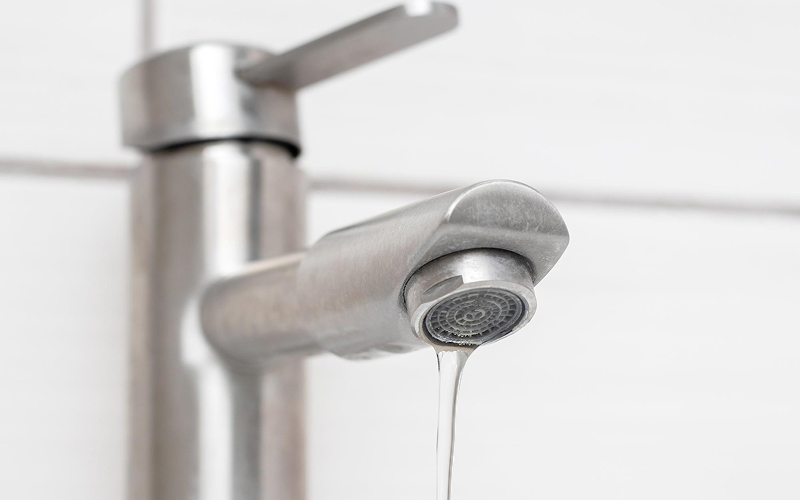
Water pressure is the force with which water flows through your plumbing system and exits taps, showers, and appliances. Normal pressure delivers a steady, even flow across all fixtures, while low pressure results in a weaker or slower flow during daily use. When pressure drops, it usually indicates a restriction or imbalance somewhere in the system.
What are the Common Causes of Low Water Pressure?
Weak water pressure can stem from a range of factors, including internal plumbing issues, household usage patterns, or external water supply conditions. It may also be a combination of these factors that leads to reduced flow at taps and fixtures.
1. Household and Internal Issues
These issues are among the most common causes of weak water flow in residential properties. They typically develop within the home’s own plumbing system over time, often due to wear and tear or gradual buildup within pipes and fixtures.
Identifying these internal factors early can help prevent costly repairs later:
- Partially closed valves that restrict flow into the home
- Clogged taps or showerheads due to mineral deposits
- Pipe blockages from limescale, grease, or debris buildup
- Hidden leaks that reduce water reaching fixtures
- Faulty pressure regulators (a device that limits water pressure coming into your home) affecting system balance
Over time, these issues can develop gradually, making the drop in pressure less noticeable until it becomes disruptive.
2. Usage-Related Factors
Sometimes the issue is not a fault but a temporary imbalance in demand. Understanding the situation helps homeowners distinguish between actual plumbing issues and normal water-pressure fluctuations.
Here are some common usage-related factors:
- High water usage from multiple appliances running at once
- Shared water supply in certain residential layouts
- Simultaneous use of taps, showers, and washing machines
In these cases, pressure may return to normal once demand decreases.
3. External or Environmental Causes
External or environmental conditions can also affect water flow within a property. These factors are typically outside the home’s plumbing system and may be linked to water supply conditions, building structure, or temporary disruptions in the local network.
These external conditions can also influence water flow:
- Temporary water supply maintenance or disruptions
- Building height and elevation, especially in high-rise homes
- General network fluctuations affecting surrounding units
These factors are often beyond individual control and may resolve once supply stabilises.
How to Identify the Source of the Problem
Before attempting any repairs, it is important to first narrow down where the issue is coming from. Taking a structured approach to diagnosis helps homeowners avoid unnecessary fixes and focus on the actual cause of the problem.
Start with a few simple checks:
- Is the issue affecting one tap or the entire home?
- Does pressure drop at specific times of the day?
- Are neighbouring units experiencing similar issues?
With a quick check, homeowners can identify whether the issue is localised or affecting the whole system. If only one fixture is affected, it is likely due to a clogged tap or a local blockage. Otherwise, whole-house issues may indicate problems with the valve, pipes, or supply.
Practical Steps to Fix Low Water Pressure
Addressing weak tap pressure often starts with a few simple troubleshooting steps. These should help homeowners resolve minor issues before considering more complex plumbing repairs.
Step 1: Clean Taps and Showerheads
Remove aerators (the small mesh screens) or showerheads and soak them in vinegar to dissolve mineral buildup. Reinstall and test the flow.
Step 2: Check Valves
Ensure the main water valve is fully open. If a pressure regulator is installed, check that it is functioning correctly.
Step 3: Look for Leaks
Inspect for damp patches, unusual water bills, or dripping sounds. Even small leaks can contribute to low water pressure over time.
Step 4: Assess Pipe Condition
Older pipes may become narrowed due to corrosion or internal buildup. This may require professional inspection.
Step 5: Confirm External Factors
Check whether neighbours are experiencing similar issues. This is to determine if the problem is isolated to your home or part of a wider supply disruption. If multiple households in the area are affected, it may indicate a temporary issue with the local water supply.
Step 6: Consider System Upgrades
In persistent cases, especially in high-rise homes, a booster pump may help improve flow. Installation should follow local guidelines and be handled professionally.
When to Call a Professional Plumber
Some water pressure issues require more than basic troubleshooting and can only be properly diagnosed with professional tools. In such cases, engaging a trusted plumbing company in Singapore ensures the issue is accurately identified and resolved.
You should seek help if:
- Pressure remains low after basic troubleshooting
- Multiple fixtures are affected simultaneously
- There are signs of pipe corrosion or hidden damage
- System upgrades or replacements are needed
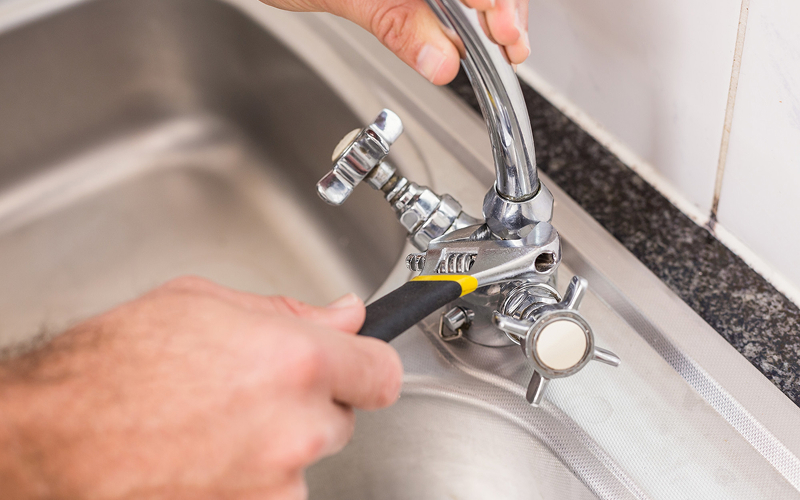
Professional Plumbing Support for Lasting Solutions
Low water pressure is usually caused by a combination of internal plumbing issues, usage patterns, or external supply conditions. While some problems can be resolved with simple maintenance, others require professional inspection to prevent further damage.
If you are experiencing persistent weak water pressure, engaging a qualified plumber ensures accurate diagnosis and safe repair. As a PUB-licensed plumber in Singapore, QB Plumbing offers reliable solutions for a wide range of plumbing issues, including leak detection, pipe repairs, and system upgrades. We deploy advanced tools to assess issues thoroughly and ensure effective resolution, helping prevent recurring problems and supporting a more reliable plumbing system over time.
Contact us for prompt professional assistance so your water pressure issues can be resolved safely and efficiently.