Key Takeaways:
- A loose toilet handle is often caused by a loose internal mounting nut, worn parts, or rust inside the tank.
- The issue may also come from the lift chain, flapper, or handle arm rather than the handle alone.
- Repeated loose-handle issues may indicate worn internal parts that need proper repair or replacement.
Introduction
A loose toilet bowl handle may seem like a minor household issue, but it can quickly affect how well your toilet flushes. In some cases, the handle simply feels wobbly because a nut inside the tank has loosened. In others, the problem may involve the lift chain, flapper, handle arm, or worn internal parts that affect the flushing mechanism as a whole.
When the issue is ignored, the toilet may become harder to flush, flush weakly, or stop flushing properly altogether. The tank may also keep running if the internal parts are no longer aligned or sealing properly. Understanding the causes can help you decide whether a simple adjustment or professional toilet repair in Singapore is needed.
How a Toilet Bowl Handle Works
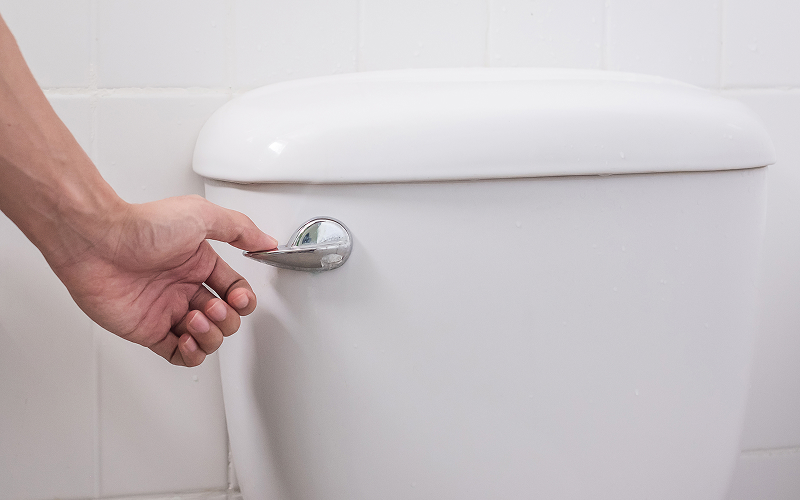
A toilet bowl handle is connected to a simple but important flushing mechanism inside the tank. When you press the handle, it moves an internal arm. This arm pulls a lift chain connected to the flapper, allowing water to leave the tank and flow into the toilet bowl for flushing.
Once the flush is complete, the flapper should return to its original position and seal the tank outlet. The tank then refills with water so the toilet is ready for the next use. When every part is properly aligned, the flush should feel smooth and consistent.
However, when the handle, mounting nut, lift chain, handle arm, or flapper becomes loose, worn, or misaligned, the toilet may not flush as expected. This is why a loose handle is not always just a handle problem. It may be an early sign that another part inside the tank needs adjustment or replacement.
Why Your Toilet Bowl Handle Is Loose
The issue can happen for several reasons. Some causes are minor, while others may indicate worn internal parts that require proper repair.
1. Loose Mounting Nut
The toilet handle is usually secured to the tank with an internal mounting nut. Over time, regular flushing can cause this nut to loosen, making the handle feel shaky or unstable. One detail many homeowners miss is that some toilet handle nuts are reverse-threaded. This means tightening them may feel opposite to normal screws or nuts. If turned the wrong way, the nut may become even looser instead of tighter. Forcing it can also damage the handle or tank fitting.
2. Worn Handle Parts
Toilet handles are used many times a day, so the parts can gradually wear down. Plastic handles may weaken, while metal components may loosen, corrode, or lose their shape. When this happens, the handle may wobble, stick, or fail to activate the flush properly. If the handle no longer moves the internal arm smoothly, tightening the nut may only provide a temporary fix.
3. Disconnected or Slack Lift Chain
The lift chain connects the handle arm to the flapper. If the chain is disconnected, too loose, or badly aligned, pressing the handle may not lift the flapper properly. This can make it seem as though the handle is faulty, even when the issue is actually inside the tank. A chain with too much slack may not create enough pull, while a chain that is too tight may prevent the flapper from sealing correctly.
4. Bent or Damaged Handle Arm
The handle arm is the bar inside the tank that moves when the handle is pressed. If it becomes bent, cracked, stripped, or weakened, it may not pull the chain smoothly. A damaged handle arm can lead to an inconsistent or incomplete flush. In some cases, the handle may feel loose because the arm is no longer firmly connected or positioned correctly inside the tank.
5. Rust or Corrosion Inside the Tank
Toilet tank parts are constantly exposed to water and moisture. After prolonged use, metal components can rust or corrode, especially in older toilets. Corroded parts may weaken, loosen, or break, causing the handle to feel unstable. Rust can also affect screws, nuts, chains, and other small parts that help the flush mechanism work properly.
Why a Loose Toilet Handle May Stop the Toilet From Flushing
If the handle is loose and the toilet does not flush, the issue is likely connected to the internal flushing mechanism. A loose handle may not have enough tension to lift the chain and open the flapper.
Tightening the handle may fix the issue in some cases. However, if the chain is broken, the flapper does not seal properly, or the handle arm is damaged, the toilet may still not flush even when the handle feels secure.
A weak flush can also occur when the flapper does not open fully. This helps prevent enough water from leaving the tank, causing the bowl to flush incompletely. If the toilet needs repeated pressing, manual adjustment, or frequent tank checks, the problem often requires more than a quick fix.
Simple Checks Homeowners Can Try
For minor toilet handle issues, homeowners may be able to perform a basic check safely. Start by turning off the water supply valve behind the toilet. Then flush once to lower the water level in the tank.
Next, remove the tank lid carefully and place it somewhere secure. Toilet tank lids can be heavy and may crack if dropped, so handle them gently.
Check the mounting nut inside the tank. If it is loose, tighten it carefully without forcing it, as overtightening can damage the handle, fitting, or tank. If the nut does not tighten properly, the handle or nut may already be worn.
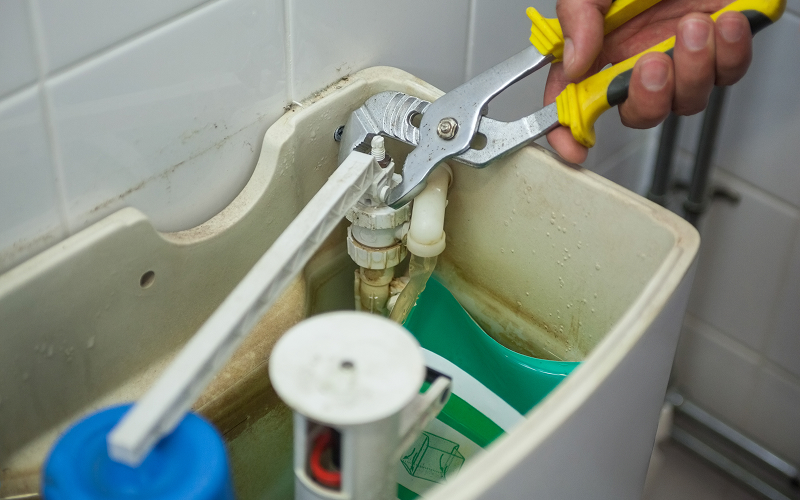
You can also check whether the lift chain is still connected to the handle arm and flapper. The chain should have a little slack, but not so much that it fails to lift the flapper when the handle is pressed.
After checking these parts, turn the water supply back on and test the flush. If the handle still feels loose, the flush remains weak, or the tank keeps running, further repair may be needed. At this stage, it may be safer to arrange home plumbing services rather than repeatedly adjusting the same parts.
When Toilet Handle Replacement Is Better
Repair may not be enough if the handle or internal arm is already worn out. Replacement is usually more practical when the handle is cracked, the arm is bent, the mounting nut no longer holds properly, or rust has weakened the parts.
A replacement handle is usually affordable, but it must match the toilet model and tank design. Different toilets may have front, side, or angled handles, and the internal arm must fit the tank layout properly.
Using the wrong handle can cause poor flushing, sticking, or repeated loosening. It may also affect the chain angle or prevent the flapper from opening and closing correctly. If you are unsure which replacement fits, it is better to ask a plumber to inspect the toilet mechanism and recommend the right part.
What are the Warning Signs of a Bigger Toilet Problem?
A loose toilet handle may seem minor, but it can sometimes point to worn or faulty parts inside the tank. If the same issue keeps recurring or the toilet fails to flush, the flushing mechanism may need attention.
1. Toilet Keeps Running After Flushing
If water continues running after you flush, the flapper may not be sealing properly. This can cause water to keep flowing from the tank into the bowl, leading to water wastage and possibly higher utility bills. It is advisable to check several parts together if the handle is loose.
2. Toilet Refills by Itself
A toilet that refills even when it has not been used may have a slow internal leak. This is often linked to a worn flapper, a faulty fill valve, or a water-level issue in the tank. If ignored, the problem may continue to waste water and worsen if the faulty part is not replaced.
3. Weak or Incomplete Flush
If the toilet handle feels loose and the flush is weak, the lift chain, handle arm, or flapper may not be working properly. This can prevent enough water from entering the bowl during each flush. A weak flush may also require more than one flush. This can be inconvenient and may indicate that the internal mechanism is no longer moving as it should.
4. Constant Water Sounds
Ongoing water sounds from the tank may suggest that water is still moving through the system. This can happen when internal parts are misaligned, worn, or not closing properly. If adjusting the handle does not stop the sound, the issue may involve the components or tank water level rather than the handle alone.
5. Inconsistent Tank Water Levels
If the water level in the tank keeps changing, there may be an issue with the fill valve, overflow tube, or flapper seal. This can affect flushing performance and cause repeated toilet problems. Inconsistent water levels may also make the handle feel less responsive because the flush mechanism is not operating under normal tank conditions.
Get Professional Help for Loose Toilet Handle Repairs
If the problem keeps recurring, it may be time to call a professional plumber. Corroded parts, a faulty flapper, damaged handle arm, or worn valve components can affect the entire flushing mechanism, not just the handle itself.
At QB Plumbing, we provide fast and professional plumbing services in Singapore. Backed by PUB-licensed expertise, our in-house plumbing and drainage professionals focus on clear assessment, reliable workmanship, transparent pricing, and practical repair solutions to help resolve the issue properly.
If you are facing toilet flushing issues, contact us for a proper inspection and repair.